
How Stress Destroys Your Testosterone (and Muscle)?

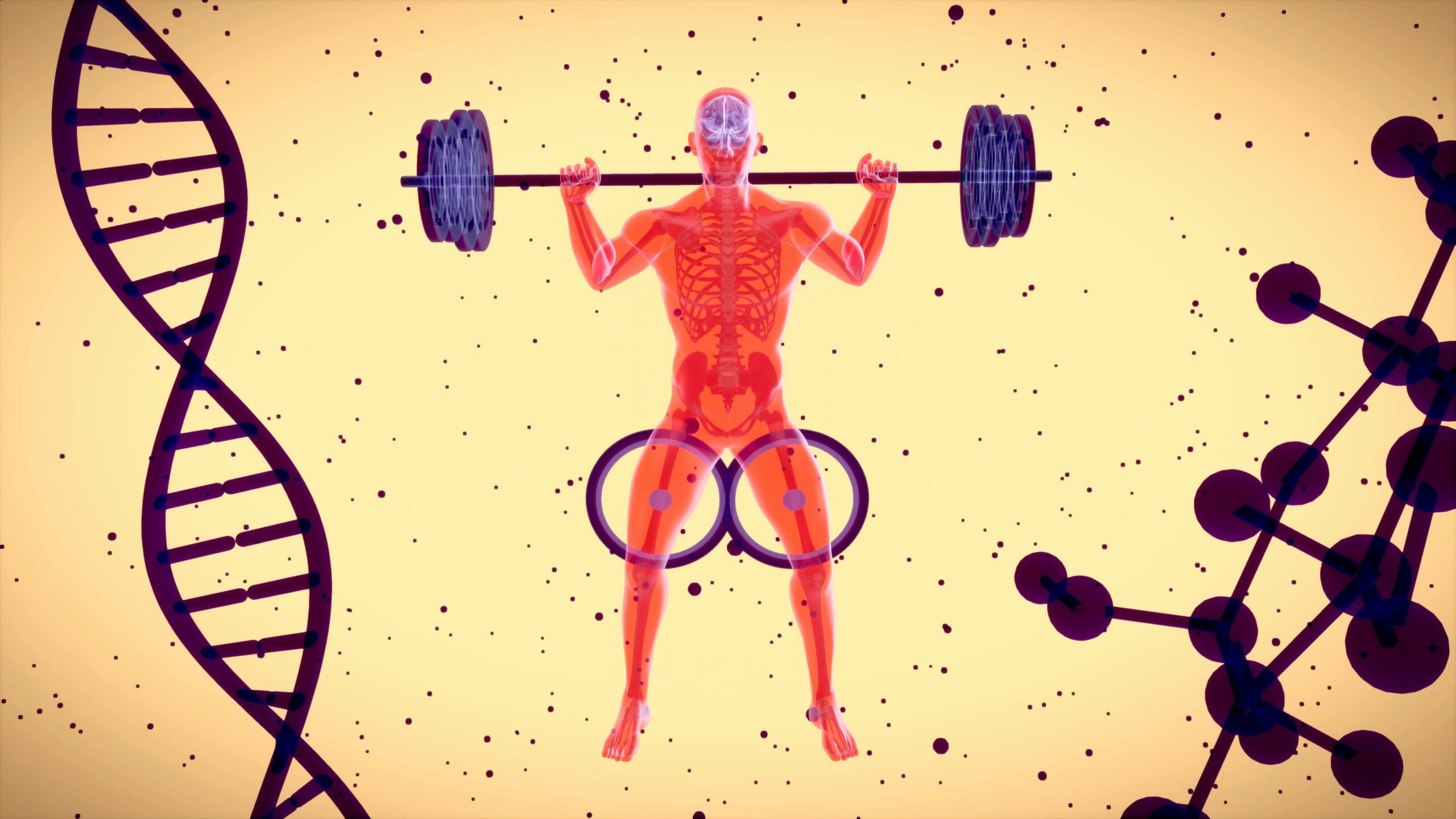
You’re feeling sluggish. Your workouts aren’t giving you the same pump. Your libido seems to have taken a permanent vacation. You’ve tried everything – more protein, different supplements, more sleep – but you’re still spinning your wheels. It’s frustrating, to say the least. You’re doing all the “right” things, but the results just aren’t manifesting. You might be attributing it to aging, a bad diet, or simply a plateau in your training. But what if there’s a silent saboteur working against you, one that’s far more insidious than you might realize? What if the culprit is stress?
You’ve heard that stress is bad for you, we all have. It’s a buzzword, a common complaint, and often an accepted part of modern life. But do you truly grasp the profound and destructive impact stress can have on your body, particularly when it comes to the hormone that underpins your masculinity, your energy, and your ability to build muscle? You might be unknowingly waging a war against your own testosterone production and your muscle-building potential, and the enemy is residing within your own mind, amplified by your daily life.
This isn’t just about feeling a bit overwhelmed or having a bad day. This is about chronic, unrelenting stress that infiltrates your physiology, dismantling your hormonal balance and chipping away at the very foundation of your physical prowess. If you’re a man dedicated to your physical health, to pushing your limits in the gym, and to feeling like the best version of yourself, then understanding how stress wreaks havoc on your testosterone and muscle is not just important; it’s imperative. It’s time to uncover this hidden enemy and learn how to disarm it, so you can reclaim your vitality and your gains.
You experience stress, and your body, in its ancient wisdom, triggers a survival response. This response is orchestrated by a complex hormonal cascade, and at the forefront of this battle is a hormone you’ve likely heard of: cortisol. Cortisol is often labeled the “stress hormone,” but that’s a rather simplistic descriptor for a hormone that plays a vital role in numerous bodily functions, including metabolism, inflammation control, and blood pressure regulation. However, when stress becomes chronic, cortisol production goes into overdrive, and this sustained elevation is where the trouble truly begins for your testosterone and, consequently, your muscle.
The Glucocorticoid Gambit: How Cortisol Disrupts Testosterone Synthesis
Think of cortisol as a master regulator, but in the context of chronic stress, it becomes a disruptive force. When your body is under prolonged duress, your adrenal glands continuously pump out cortisol. This surge in cortisol doesn’t just sit idly by; it actively interferes with the intricate machinery responsible for producing testosterone.
Leydig Cells Under Siege: The Direct Impact on Testosterone Production
Your testes are the primary manufacturing plants for testosterone, and within them, specialized cells called Leydig cells are solely responsible for this crucial hormone’s synthesis. Chronic elevations in cortisol directly inhibit the function of these Leydig cells. It’s like flooding the factory floor with a substance that clogs the machinery and disrupts the production line. Cortisol interferes with the signaling pathways that tell Leydig cells to produce testosterone. It can suppress the release of luteinizing hormone (LH), a key pituitary hormone that stimulates the Leydig cells. Without adequate LH stimulation, the Leydig cells simply can’t perform their job effectively, leading to a significant dip in your testosterone levels. You’re essentially starving the engines of your testosterone production.
Reduced Cholesterol Availability: The Building Block Blues
Testosterone, like all steroid hormones, is synthesized from cholesterol. Think of cholesterol as the raw material needed to build the testosterone molecule. Cortisol, in its quest to mobilize energy stores during a stress response, can lead to an altered distribution and utilization of cholesterol within the body. While the exact mechanisms are complex, prolonged high cortisol levels can indirectly affect the availability of cholesterol for testosterone synthesis in the testes, further limiting production. It’s like trying to build a house when the lumberyard is running out of wood – the construction slows to a crawl.
The Negative Feedback Loop: When Cortisol Tells Your Pituitary to Back Off
Your body operates on a sophisticated system of feedback loops to maintain hormonal balance. The production of testosterone is tightly regulated by the hypothalamic-pituitary-gonadal (HPG) axis. When testosterone levels are low, your hypothalamus releases gonadotropin-releasing hormone (GnRH), which signals your pituitary gland to release LH and follicle-stimulating hormone (FSH). These hormones then act on your testes to boost testosterone production. However, chronic stress and elevated cortisol can disrupt this entire axis.
Suppressing the Hypothalamus and Pituitary: A Communication Breakdown
High levels of cortisol can exert negative feedback on the hypothalamus and pituitary gland, effectively suppressing the release of GnRH, LH, and FSH. This means that even if your Leydig cells were ready and willing to produce testosterone, they aren’t receiving the necessary signals from your brain. It’s like trying to send an urgent memo, but the mailroom is on strike. The message never gets delivered, and the desired action is never taken. This communication breakdown is a critical factor in why chronic stress so effectively torpedoes your testosterone production.
In addition to understanding how stress can negatively impact testosterone levels and muscle growth, you may find it beneficial to explore the intricacies of anabolic steroids and their effects on the body. A related article titled “Anavar Cycle 101: A Beginner’s Guide” provides valuable insights into the use of Anavar, a popular anabolic steroid, and how it can influence muscle development. For more information, you can read the article here: Anavar Cycle 101: A Beginner’s Guide.
The Catabolic Conspiracy: How Stress Sabotages Muscle Growth
Now, let’s talk about muscle. You invest time, effort, and sweat into building and maintaining it. You train hard, you dial in your nutrition, and you strive for that anabolic state – a state where your body is building more tissue than it breaks down. Unfortunately, chronic stress, through its hormonal rampage, actively pushes your body into a catabolic state, where muscle breakdown outpaces muscle growth, or even halts it altogether.
The Cortisol Connection to Muscle Protein Degradation
Cortisol isn’t just content with attacking testosterone production; it also has a direct and detrimental effect on your muscle tissue. As a glucocorticoid, cortisol possesses catabolic properties, meaning it promotes the breakdown of tissues.
Muscle Protein Breakdown Amplified: The Gluttonous Nature of Cortisol
During periods of chronic stress, your body perceives a need for readily available energy. Cortisol helps to achieve this by breaking down muscle protein into amino acids. These amino acids can then be used for gluconeogenesis, the process of creating glucose from non-carbohydrate sources, in the liver. While this can be a survival mechanism in acute, short-term stress (like needing to run from a saber-toothed tiger), in chronic stress, it becomes a relentless assault on your hard-earned muscle mass. Your muscles, instead of being a source of strength and growth, become a buffet for your stress response. This means that even if you’re training optimally, the increased muscle protein breakdown stimulated by cortisol can negate your gains, leaving you with less muscle and strength than you had before.
Reduced Protein Synthesis: The Building Blocks Aren’t Being Assembled
Alongside increasing muscle protein breakdown, cortisol also has the insidious effect of inhibiting muscle protein synthesis. This is the process by which your body repairs and builds new muscle tissue, primarily after resistance training. So, not only is cortisol busy deconstructing your muscles, but it’s also actively preventing their reconstruction. It’s like dismantling a building while simultaneously stopping the construction crew from bringing in new materials. The result is a net loss of muscle mass or, at best, a complete stagnation of any progress. This is a major reason why you might feel weaker and see your physique regressing despite your best efforts.
The Oxidative Stress Spiral: Another Assault on Your Tissues
Beyond the direct hormonal effects, chronic stress also exacerbates another insidious process: oxidative stress. This occurs when the production of free radicals, unstable molecules that can damage cells, outpaces your body’s ability to neutralize them with antioxidants.
Free Radical Frenzy: Cell Damage and Inflammation
During stressful periods, your metabolic rate can increase, and the production of reactive oxygen species (ROS), a type of free radical, also tends to rise. Moreover, chronic stress can deplete your body’s antioxidant defenses, leaving your cells vulnerable. These free radicals can damage cellular components, including DNA, proteins, and lipids. This damage contributes to inflammation, which is a well-known inhibitor of muscle growth and repair. Think of it as rust forming on your internal machinery, hindering its efficient operation and making it more susceptible to breakdown.
Inflammation’s Insidious Influence on Muscle and Hormones
Inflammation is a double-edged sword. While acute inflammation is a necessary part of the healing process, chronic, low-grade inflammation associated with stress can wreak havoc. It can impair insulin sensitivity, which is crucial for muscle growth and nutrient delivery. It can also contribute to further hormonal imbalances, potentially even affecting testosterone production indirectly by creating a less favorable internal environment for optimal hormonal function. This inflammatory state also directly impedes muscle recovery, making your workouts feel more taxing and your progress slower.
The Vicious Circle: Low Testosterone Fuels More Stress

You’ve learned how stress decimates your testosterone and muscle. But here’s the kicker, the cruel twist of fate: this isn’t a one-way street. Low testosterone itself can exacerbate stress and create a debilitating, self-perpetuating cycle.
The Psychological Toll of Low T: Mood Swings, Irritability, and Low Motivation
Testosterone plays a significant role in mood regulation, energy levels, and motivation. When your testosterone levels plummet, you’re likely to experience a range of psychological symptoms that can themselves become significant stressors.
Mood Swings and Irritability: The Emotional Rollercoaster
A significant drop in testosterone can lead to increased irritability, mood swings, and a general feeling of being on edge. You might find yourself snapping at loved ones, feeling perpetually annoyed, or experiencing uncharacteristic bursts of anger. These emotional states can strain relationships, create conflict, and add a heavy psychological burden to your life, thus increasing your overall stress load. You’ll find yourself reacting more intensely to minor annoyances, magnifying their perceived impact.
Decreased Motivation and Drive: The “Why Bother?” Syndrome
Testosterone is intrinsically linked to motivation, drive, and ambition. When it’s low, you might find yourself lacking the motivation to engage in activities you once enjoyed, including exercise. This lack of drive can lead to feelings of apathy, discouragement, and a sense of “what’s the point?” This diminished motivation can lead to neglecting self-care, a further decline in physical activity, and a downward spiral of decreased well-being, all of which contribute to elevated stress. You’ll find it harder to muster the energy for your workouts, not just physically, but mentally too.
The Sleep Sabotage: A Two-Way Street to Fatigue
Sleep is a critical pillar of hormonal health, muscle recovery, and stress management. Unfortunately, both high stress and low testosterone can profoundly disrupt your sleep patterns, creating a vicious feedback loop that further compromises your well-being.
Insomnia and Poor Sleep Quality: The Restless Night
Chronic stress is a notorious cause of insomnia and poor sleep quality. Racing thoughts, anxiety, and the constant feeling of being “on alert” make it incredibly difficult to fall asleep and stay asleep. You might wake up frequently, experience nightmares, or simply feel that your sleep is not restorative. This lack of quality sleep leaves you feeling fatigued, both physically and mentally, which further amplifies your perception of stress and reduces your resilience to it.
Low Testosterone’s Impact on Sleep Architecture
Low testosterone levels can also disrupt sleep. They are associated with an increased risk of sleep apnea, a condition where breathing repeatedly stops and starts during sleep. Furthermore, testosterone plays a role in regulating sleep cycles and promoting deep, restorative sleep. When it’s low, you might experience fragmented sleep and less time in these crucial sleep stages. This directly contributes to daytime fatigue, irritability, and a worsened stress response. The less you sleep, the more stressed you become, and the less testosterone you have to help you sleep better.
The Unseen Enemy in Action: Recognizing the Signs in Yourself

You might be reading this and nodding along, recognizing some of these symptoms in your own life. The challenge lies in discerning whether these are simply the ebb and flow of normal life or the tell-tale signs of stress actively undermining your testosterone and muscle. It’s about looking beyond the superficial and understanding the underlying physiological impact.
Physical Manifestations: Beyond the Gym
While its primary impact might be on your endocrine system and muscles, stress-induced hormonal imbalances can manifest physically in a myriad of ways, often subtly at first.
Fatigue and Lethargy: The Persistent Drain
This isn’t just about feeling a bit tired after a long day. This is a profound, bone-deep fatigue that doesn’t seem to lift, no matter how much you rest. You might feel physically drained, lacking the energy for even basic daily tasks. This pervasive lethargy is a classic symptom of suppressed testosterone and the metabolic consequences of chronic stress. You’ll likely find yourself reaching for more caffeine, but it offers only temporary relief.
Decreased Libido and Erectile Dysfunction: The Unwanted Casualties
This is often one of the most immediate and noticeable consequences of low testosterone. Your sex drive might plummet, and you may experience difficulties achieving or maintaining an erection. These are not just physical issues; they carry a significant psychological burden, leading to feelings of inadequacy and further exacerbating stress and anxiety. You’ll likely notice a diminishing interest in sexual activity, and even when you do engage, the performance might not be what you expect.
Reduced Muscle Mass and Strength: The Plateau that Becomes a Decline
You’re meticulously following your training program, but your progress has stalled. Worse, you might be noticing a gradual loss of muscle mass and a decline in your strength. Clothes that once fit perfectly are now looser. You struggle to lift the same weights you once did with relative ease. This is a direct consequence of the catabolic effects of cortisol and the impaired muscle protein synthesis. You’re working out, but your body isn’t responding as it should.
Mental and Emotional Indicators: The Inner Turmoil
The impact of stress and hormonal imbalance isn’t confined to the physical realm. Your mental and emotional landscape can also be significantly altered, often in ways that create further stress.
Irritability and Mood Swings: The Short Fuse
As mentioned before, a lowered testosterone can make you more prone to irritability and rapid mood shifts. You might find yourself snapping at colleagues, losing your temper over minor inconveniences, or feeling a general sense of discontentment. This can strain your relationships and create a more hostile environment for yourself. You’ll find yourself reacting with disproportionate anger to situations that wouldn’t have bothered you before.
Difficulty Concentrating and Brain Fog: A Foggy Mind
The cognitive functions of your brain can also be affected. You might find yourself struggling to focus on tasks, experiencing “brain fog,” or having difficulty with memory recall. This makes it harder to be productive at work, to learn new things, and to simply stay engaged in conversations. Your mental clarity deteriorates, making everyday tasks feel more challenging.
Persistent Anxiety and Feeling Overwhelmed: The Constant Worry
When your body is under chronic stress, your nervous system remains in a heightened state of arousal. This can manifest as persistent anxiety, a feeling of dread, or a general sense that you’re constantly overwhelmed by your responsibilities. This constant state of high alert is emotionally exhausting and contributes to the cycle of stress. You’ll find yourself worrying about things that are outside of your control, and a sense of impending doom can become a common companion.
Understanding the impact of stress on testosterone levels and muscle health is crucial for anyone looking to optimize their fitness. For those interested in the broader context of hormonal influences on physical performance, a related article explores the history of anabolic steroids and their role in bodybuilding. This resource provides valuable insights into how various substances have been used to enhance muscle growth and the implications they have on hormonal balance.
Taking Back Control: Strategies to Combat Stress and Boost Testosterone
| Stress Level | Testosterone Level | Muscle Mass |
|---|---|---|
| Low | Normal | Maintained |
| Moderate | Decreased | Reduced |
| High | Significantly Decreased | Loss of Muscle |
The good news is that this isn’t a hopeless situation. While stress can be a formidable enemy, you have the power to combat it, mitigate its effects, and reclaim your hormonal balance and your muscle-building potential. It requires a multifaceted approach that targets both the sources of stress and the physiological consequences.
Lifestyle Overhaul: The Foundation of Resilience
Your daily habits and lifestyle choices form the bedrock of your ability to manage stress and support healthy hormone production. Making conscious adjustments here can yield significant benefits.
Prioritize Sleep Hygiene: Reclaim Your Rest
This cannot be overstated. Aim for 7-9 hours of quality sleep per night. Establish a consistent sleep schedule, even on weekends, to regulate your circadian rhythm. Create a relaxing bedtime routine: limit screen time before bed, dim the lights, and consider activities like reading, gentle stretching, or a warm bath. Ensure your bedroom is dark, quiet, and cool. Better sleep means better hormone regulation and improved stress resilience.
Embrace Mind-Body Practices: Cultivate Calm
Techniques like mindfulness meditation, deep breathing exercises, yoga, and Tai Chi have been scientifically proven to reduce cortisol levels and promote a sense of calm. Even dedicating 10-15 minutes daily to one of these practices can make a significant difference. These practices train your brain to be less reactive to stressors and encourage a parasympathetic “rest and digest” response.
Strategic Exercise: Move with Purpose, Not Panic
While exercise is crucial for both muscle building and stress reduction, overtraining can actually be a stressor itself. Listen to your body. Incorporate a mix of resistance training, cardiovascular exercise, and active recovery. Ensure you have adequate rest days between intense workouts. For some, lower-intensity activities like walking in nature can be incredibly stress-relieving. The key is balance and preventing your exercise regimen from becoming another source of pressure.
Nourish Your Body: Fueling for Resilience
Your diet plays a critical role in hormone production and your body’s ability to manage stress.
Focus on Whole Foods: The Building Blocks of Health
Prioritize a diet rich in whole, unprocessed foods: lean proteins, healthy fats (avocado, nuts, seeds, olive oil), complex carbohydrates (vegetables, fruits, whole grains), and plenty of fresh produce. These provide the essential nutrients your body needs to produce hormones and combat inflammation.
Limit Processed Foods and Sugar: Fueling the Fire
Highly processed foods, excessive sugar, and refined carbohydrates can contribute to inflammation and hormonal imbalances, further exacerbating the effects of stress. Minimize your intake of these offenders.
Consider Zinc and Magnesium: The Essential Minerals
These minerals are crucial for testosterone production and stress management. Ensure you’re getting adequate amounts through your diet or consider supplementation if advised by a healthcare professional. Foods rich in zinc include oysters, red meat, and pumpkin seeds. Magnesium can be found in leafy greens, nuts, and seeds.
Build a Supportive Social Network: Connection is Key
Strong social connections are powerful buffers against stress. Spend time with loved ones, talk about your concerns, and seek support when you need it. Social isolation can amplify feelings of stress and anxiety. Nurture your relationships and prioritize quality time with people who uplift you.
Targeted Interventions: When Lifestyle Isn’t Enough
Sometimes, lifestyle changes alone may not be sufficient to fully address the impact of chronic stress on your testosterone. In such cases, targeted interventions can be beneficial.
Stress Reduction Techniques in the Moment: Quick Wins
Develop a toolkit of quick stress-relief techniques you can employ when you feel overwhelmed. This could include deep breathing exercises, progressive muscle relaxation, or stepping away for a short walk. These immediate interventions can help de-escalate your stress response before it spirals.
Seek Professional Guidance: Expertise for Your Wellbeing
If you suspect chronic stress is significantly impacting your testosterone levels and overall health, don’t hesitate to consult with healthcare professionals.
Talk to Your Doctor: Professional Assessment and Advice
A physician can assess your hormone levels through blood tests, identify any underlying medical conditions, and provide personalized recommendations. They can also rule out other potential causes of your symptoms.
Consider Therapy or Counseling: Addressing the Root Cause
If your stress is rooted in psychological factors, anxiety, or past trauma, therapy or counseling with a qualified mental health professional can be incredibly effective. They can help you develop coping mechanisms and address the underlying issues contributing to your stress.
Explore Stress Management Programs: Structured Support
Many specialized programs exist that offer structured guidance and techniques for managing chronic stress. These can provide a supportive environment and proven strategies for improving your resilience.
You’ve spent time and energy trying to build a stronger, more capable version of yourself. Don’t let this invisible enemy, chronic stress, undermine all your hard work. By understanding how it wreaks havoc on your testosterone and muscle, and by implementing the strategies discussed here, you can begin to dismantle its destructive power. Reclaim your vitality, revitalize your hormonal health, and get back to building the strong, resilient body you aspire to. The journey starts with awareness, and the power to change is within your grasp. Start by making one small, consistent change today.
FAQs
What is the relationship between stress and testosterone levels?
Chronic stress can lead to increased levels of the hormone cortisol, which can suppress the production of testosterone. This can result in lower testosterone levels, which can negatively impact muscle growth and overall health.
How does stress affect muscle growth?
Elevated cortisol levels from chronic stress can lead to muscle breakdown and hinder muscle growth. This can result in decreased muscle mass and strength over time.
What are some common signs of low testosterone levels?
Common signs of low testosterone levels include decreased muscle mass, increased body fat, decreased energy levels, reduced libido, and mood changes such as irritability or depression.
What are some effective ways to reduce stress and support testosterone levels?
Effective ways to reduce stress and support testosterone levels include regular exercise, adequate sleep, stress management techniques such as meditation or yoga, a healthy diet, and avoiding excessive alcohol consumption.
When should someone seek medical advice for low testosterone levels?
If someone is experiencing symptoms of low testosterone levels, they should seek medical advice from a healthcare professional. A doctor can perform tests to determine testosterone levels and recommend appropriate treatment options if necessary.