
How to manage High Blood Pressure Naturally as a Bodybuilder?

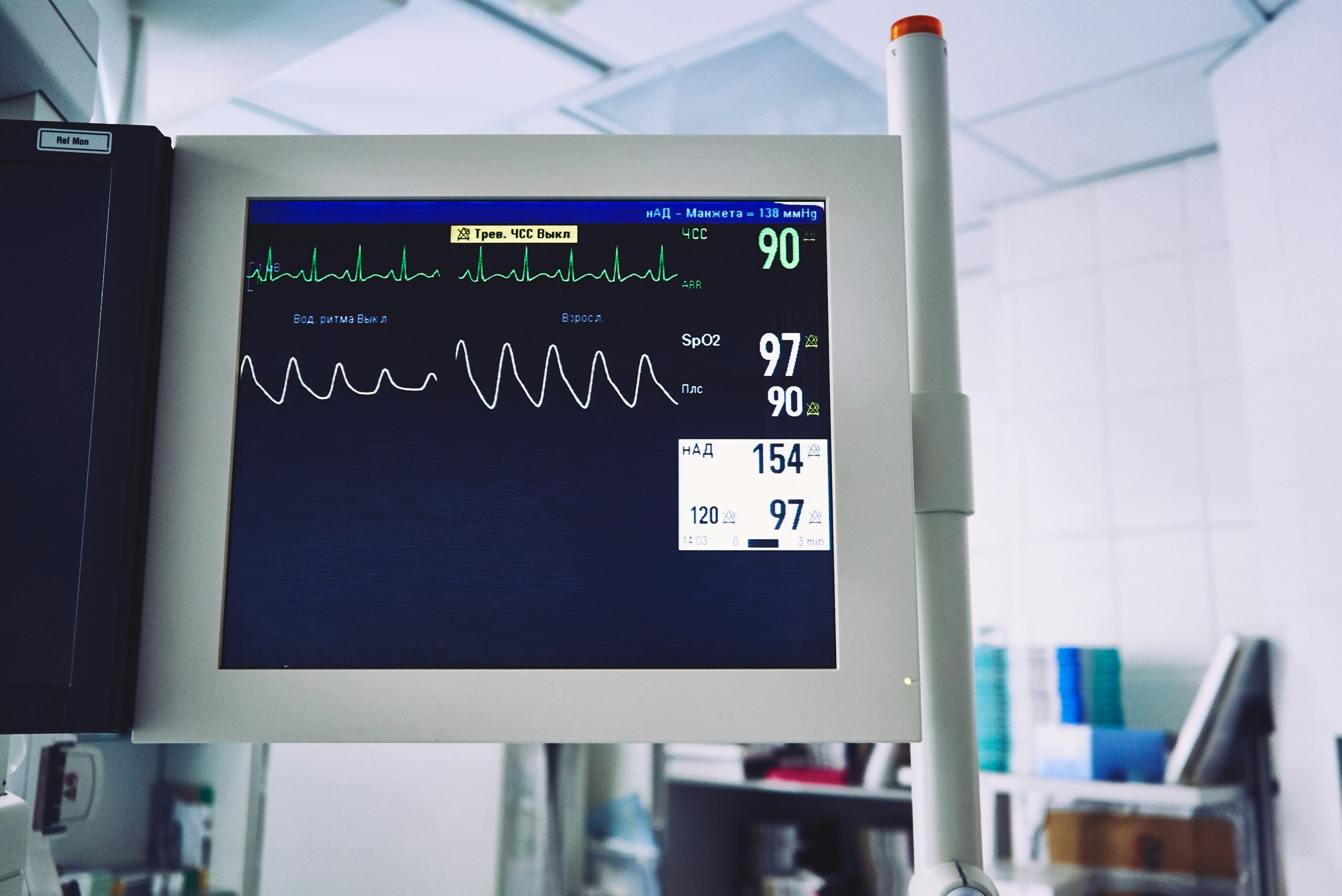
You’re dedicated to sculpting your physique, pushing your limits in the gym, and fueling your body with the right nutrients. But what if your pursuit of muscle also comes with the silent threat of high blood pressure? It’s a common concern for many bodybuilders, where intense training and specific dietary choices can sometimes put a strain on your cardiovascular system. Managing high blood pressure naturally isn’t about abandoning your bodybuilding goals; it’s about integrating smart strategies to support both your gains and your health. This guide is crafted specifically for you, the dedicated bodybuilder, to navigate the world of natural blood pressure management.
You invest countless hours into your training, meticulously planning your macros, and ensuring optimal recovery. However, it’s crucial to understand how your bodybuilding lifestyle might be impacting your blood pressure. High blood pressure, or hypertension, is a condition where the force of blood against your artery walls is consistently too high. Over time, this can damage your blood vessels and significantly increase your risk of heart disease, stroke, and kidney problems. As a bodybuilder, certain aspects of your regimen can contribute to or exacerbate this issue.
The Stress of Intense Training
You thrive on pushing your body to its limits. Those heavy squats, brutal deadlifts, and punishing HIIT sessions are what drive your progress. While exercise is generally beneficial for cardiovascular health, extremely intense workouts can temporarily elevate your blood pressure during and immediately after the session. If your body isn’t adequately prepared or if you have underlying predispositions, this repeated acute elevation can become a concern. Your body releases adrenaline and cortisol during intense exercise, which are hormones that can constrict blood vessels and increase heart rate, both of which contribute to higher blood pressure.
Dietary Considerations in Bodybuilding
Your diet is the cornerstone of your bodybuilding success. You’re likely consuming a high protein intake, often with calculated amounts of carbohydrates and fats to support muscle growth and recovery. However, some common bodybuilding dietary practices can inadvertently affect your blood pressure.
Sodium Intake: A Double-Edged Sword
Sodium plays a vital role in fluid balance and muscle function, and you likely consume it to replenish electrolytes lost through sweat. However, excessive sodium intake is a well-established contributor to high blood pressure. Many processed foods, supplements, and even pre-workout formulas can be loaded with hidden sodium. If you’re not mindful of your total daily intake, you could be inadvertently raising your blood pressure.
Supplement Stacking and Its Impact
The world of bodybuilding supplements is vast and ever-evolving. While many are designed to enhance performance and recovery, some can have unintended consequences for your blood pressure. Stimulant-based pre-workouts, for instance, often contain ingredients that can temporarily spike blood pressure. Certain creatine forms, fat burners, and even some mass gainers might contain ingredients that require careful consideration.
Calorie and Macronutrient Balancing
While not directly linked to blood pressure in the same way as sodium, significant fluctuations in calorie intake and extreme dietary approaches can indirectly impact your cardiovascular health. Rapid weight gain or loss, for example, can place stress on your body. Furthermore, diets heavily reliant on processed “clean” foods can still be high in sodium or lack essential nutrients that support blood pressure regulation.
The Role of Stress and Recovery
Beyond the gym and the kitchen, your lifestyle plays a significant role. Chronic stress, lack of sleep, and insufficient recovery can all contribute to elevated blood pressure. As a bodybuilder, the pressure to perform, achieve specific aesthetics, and manage the demands of training can create a high-stress environment.
Sleep Deprivation and Its Consequences
You know how crucial sleep is for muscle repair and growth. But did you know it’s also vital for blood pressure regulation? Chronic sleep deprivation can disrupt your body’s natural hormone balance, leading to increased stress hormones and inflammation, both of which can contribute to higher blood pressure.
Mental Stress and Its Physiological Effects
The mental game of bodybuilding is often as demanding as the physical. Worrying about your progress, comparing yourself to others, or dealing with external pressures can lead to chronic psychological stress. This sustained stress response can keep your body in a state of alert, leading to persistently elevated blood pressure.
For bodybuilders looking to manage high blood pressure naturally, it’s essential to consider various aspects of health and fitness, including nutrition and supplementation. A related article that may provide valuable insights is titled “Anavar Cycle 101: A Beginner’s Guide,” which discusses the implications of using Anavar in bodybuilding and its potential effects on overall health. You can read more about it here: Anavar Cycle 101: A Beginner’s Guide. This resource can help you understand how to balance your bodybuilding goals while maintaining healthy blood pressure levels.
Nutrition Strategies for Blood Pressure Control
Managing high blood pressure as a bodybuilder doesn’t mean you have to sacrifice your gains. It’s about making informed dietary choices that support both your performance and your cardiovascular health. The key lies in optimizing nutrient intake, focusing on whole, unprocessed foods, and being mindful of potential culprits.
The DASH Diet Framework: A Bodybuilder’s Adaption
The Dietary Approaches to Stop Hypertension (DASH) diet is renowned for its effectiveness in lowering blood pressure. While its original structure might seem less geared towards bodybuilding, its core principles are highly adaptable. The DASH diet emphasizes fruits, vegetables, whole grains, lean proteins, and low-fat dairy.
Integrating More Potassium-Rich Foods
Potassium is a crucial mineral that helps balance sodium levels in your body and relaxes blood vessel walls, thus lowering blood pressure. Many bodybuilders focus heavily on protein and may overlook potassium-rich foods.
Fruits and Vegetables as Powerhouses
You can easily incorporate more potassium through fruits like bananas, avocados, cantaloupe, oranges, and apricots. Leafy greens like spinach and kale, potatoes (with skins), sweet potatoes, and certain beans are also excellent sources. Aim to include at least one potassium-rich fruit or vegetable with every meal and snack.
Dairy and Other Sources
Low-fat dairy products like yogurt and milk are good sources of potassium. You can also find it in salmon, chicken, and legumes.
Increasing Magnesium Intake for Vasodilation
Magnesium plays a vital role in regulating blood pressure by helping blood vessels relax. A deficiency in magnesium can lead to constricted blood vessels and elevated pressure.
Whole Grains and Leafy Greens
Incorporating more whole grains like brown rice, quinoa, and oats into your diet will boost your magnesium intake. Dark leafy greens such as spinach, Swiss chard, and kale are also magnesium powerhouses.
Nuts and Seeds: Nutrient-Dense Snacks
Almonds, cashews, pumpkin seeds, and sunflower seeds are not only great sources of healthy fats and protein but also provide a significant amount of magnesium. Make them a regular part of your snack rotation.
Legumes: A Versatile Option
Black beans, kidney beans, and lentils are packed with magnesium and can be easily incorporated into various meals.
Emphasizing Omega-3 Fatty Acids for Cardiovascular Health
Omega-3 fatty acids have anti-inflammatory properties and can help improve blood vessel function, contributing to lower blood pressure.
Fatty Fish: The Prime Source
Include fatty fish like salmon, mackerel, herring, and sardines in your diet at least twice a week. These are not only excellent sources of protein but also deliver a potent dose of EPA and DHA, the most beneficial omega-3s.
Plant-Based Omega-3s
If you prefer plant-based options, flaxseeds, chia seeds, walnuts, and hemp seeds are good sources of ALA, another omega-3 fatty acid. However, your body converts ALA to EPA and DHA less efficiently, so fatty fish remains the preferred choice for maximum benefit.
Reducing Sodium: A Non-Negotiable
This is perhaps the most critical dietary adjustment you can make. The recommended daily sodium intake for most adults is around 2,300 milligrams, but for those with high blood pressure, it’s often recommended to aim for 1,500 milligrams or less.
Ditching Processed Foods and Packaged Meals
The vast majority of dietary sodium comes from processed and restaurant foods. Read labels meticulously for hidden sodium in bread, sauces, deli meats, canned goods, and even many “healthy” snacks.
Opting for Fresh, Whole Ingredients
Build your meals around fresh, whole ingredients. Season your food with herbs, spices, garlic, onion, and citrus instead of relying on salt.
Being Mindful of Supplements
Many pre-workouts, recovery formulas, and even protein powders can contain significant amounts of sodium. Choose products that are low in sodium or opt for unflavored versions and add your own flavorings.
Preparing Meals at Home
The best way to control your sodium intake is to prepare your meals at home. This gives you complete control over the ingredients and the amount of salt you use.
Hydration: More Than Just Muscle Swelling
Staying adequately hydrated is essential for overall health and plays a role in blood pressure regulation. Dehydration can cause blood vessels to constrict, potentially increasing blood pressure.
The Importance of Plain Water
While many bodybuilders rely on various fluids for hydration and nutrient delivery, plain water should be your primary source. Aim for at least 8-10 glasses of water per day, and more if you’re training intensely or in a hot climate.
Electrolyte Balance Beyond Sodium
While it’s crucial to manage sodium intake, don’t neglect other electrolytes like potassium and magnesium, which are lost through sweat. Ensure your diet provides adequate amounts of these minerals through whole foods. Be cautious with highly concentrated electrolyte drinks, as some can be high in sodium.
Lifestyle Adjustments for Lower Blood Pressure

Beyond your nutrition, several lifestyle changes can significantly impact your blood pressure. As a dedicated bodybuilder, you’re already committed to discipline and consistency, which are excellent foundations for adopting these healthy habits.
Stress Management Techniques
Chronic stress is a silent killer, and it can wreak havoc on your blood pressure. Implementing effective stress management techniques is crucial for both your mental well-being and your cardiovascular health.
Mindfulness and Meditation
Even a few minutes of mindfulness or meditation each day can make a difference. Focus on your breath, observe your thoughts without judgment, and allow yourself to be present. Apps like Calm and Headspace offer guided meditations that can be beneficial.
Deep Breathing Exercises
Simple deep breathing exercises can activate your body’s relaxation response. Practice diaphragmatic breathing, where you inhale deeply, allowing your belly to expand, and exhale slowly.
Yoga and Tai Chi
These practices combine gentle movement, deep breathing, and mindfulness, making them excellent for stress reduction and improving cardiovascular health. Many gyms and community centers offer classes.
Prioritizing Adequate Sleep
You understand the importance of sleep for muscle recovery, but it’s also critical for regulating blood pressure. Aim for 7-9 hours of quality sleep per night.
Establishing a Consistent Sleep Schedule
Go to bed and wake up around the same time each day, even on weekends, to regulate your body’s natural sleep-wake cycle.
Creating a Relaxing Bedtime Routine
Wind down before bed by avoiding screens, taking a warm bath, reading, or listening to calming music.
Optimizing Your Sleep Environment
Ensure your bedroom is dark, quiet, and cool to promote restful sleep.
Incorporating Regular, Moderate Aerobic Exercise
While your intense weightlifting is essential for hypertrophy, don’t underestimate the power of regular aerobic exercise for cardiovascular health and blood pressure management.
The Benefits of Cardio for Blood Pressure
Aerobic exercise strengthens your heart muscle, improves blood circulation, and helps your body utilize oxygen more efficiently, all of which contribute to lower blood pressure.
Finding Your Cardio Sweet Spot
Aim for at least 150 minutes of moderate-intensity aerobic exercise or 75 minutes of vigorous-intensity exercise per week. This could be brisk walking, jogging, cycling, swimming, or using an elliptical machine.
Balancing Cardio with Your Training Schedule
Integrate cardio sessions strategically into your week. You can perform them on rest days, after your weightlifting sessions, or as separate workouts. It’s important not to overdo it, as excessive cardio can lead to overtraining and hinder muscle recovery.
The Role of Dynamic Stretching and Mobility Work
While not directly exercise in the traditional sense, dynamic stretching and mobility work are vital for preparing your body for workouts and aiding recovery.
Improving Blood Flow and Reducing Muscle Tension
Dynamic stretches, which involve controlled movements through a range of motion, help increase blood flow to your muscles and improve joint mobility. This can indirectly contribute to better cardiovascular health by reducing muscle tension and improving overall circulation.
Pre-Workout Warm-ups
Incorporate dynamic stretches into your pre-workout routine to prepare your body for the demands of weightlifting. This can include leg swings, arm circles, torso twists, and lunges.
Post-Workout Cool-downs
Gentle static stretching after your workout can help improve flexibility and reduce muscle soreness, contributing to overall well-being.
Monitoring and Professional Guidance

Managing high blood pressure is an ongoing process, and self-monitoring is crucial. Equally important is seeking professional guidance to ensure you’re on the right track.
Regular Blood Pressure Monitoring at Home
Investing in a reliable home blood pressure monitor is a smart move for any bodybuilder concerned about their cardiovascular health.
Understanding Your Numbers
Familiarize yourself with what constitutes healthy blood pressure readings. Generally, a normal reading is below 120/80 mmHg. Readings between 120-129 systolic and less than 80 diastolic are considered elevated. Readings of 130/80 mmHg or higher are generally considered high blood pressure.
Consistent Measurement Practices
Monitor your blood pressure at the same time each day, ideally in the morning before eating or drinking anything, and in the evening before bed. Ensure you are relaxed and have been sitting quietly for at least five minutes before taking a reading. Avoid caffeine, alcohol, and smoking for at least 30 minutes before measuring.
Keeping a Logbook
Maintain a logbook of your readings, noting the date, time, and your reading. This information will be invaluable when discussing your health with your doctor.
Consulting with Healthcare Professionals
Your doctor and a registered dietitian or nutritionist specializing in sports nutrition are your most important allies in managing high blood pressure as a bodybuilder.
Your Physician’s Role
Your doctor can accurately diagnose hypertension, assess your overall cardiovascular risk, and recommend appropriate treatment plans. They can also rule out any underlying medical conditions contributing to your high blood pressure. Be open and honest with them about your training regimen, diet, and supplement use.
The Benefits of a Registered Dietitian
A registered dietitian can help you create a personalized nutrition plan that aligns with your bodybuilding goals while effectively managing your blood pressure. They can guide you in making smart food choices, identifying hidden sodium sources, and ensuring you’re getting all the necessary nutrients for both muscle growth and cardiovascular health.
When to Seek Emergency Medical Attention
If you experience sudden, severe headaches, dizziness, blurred vision, shortness of breath, chest pain, or numbness/weakness in your face, arm, or leg, seek immediate medical attention. These could be signs of a hypertensive crisis.
If you’re looking for effective strategies to manage high blood pressure naturally while pursuing your bodybuilding goals, you might find it beneficial to explore related resources. One such article discusses safe and secure ways to buy supplements that can support your fitness journey without compromising your health. You can read more about it in this informative piece on BodyTech Pharma. This resource can help you make informed choices about the products you use, ensuring they align with your health objectives.
Supplements: Navigating with Caution
| Management Technique | Description |
|---|---|
| Regular Exercise | Engage in regular aerobic and strength training exercises to help lower blood pressure. |
| Healthy Diet | Consume a diet rich in fruits, vegetables, whole grains, and lean proteins while limiting sodium and processed foods. |
| Weight Management | Maintain a healthy weight through a combination of diet and exercise to reduce the risk of high blood pressure. |
| Stress Management | Practice stress-reducing techniques such as meditation, deep breathing, or yoga to help lower blood pressure. |
| Limit Alcohol and Caffeine | Reduce alcohol and caffeine intake as they can contribute to high blood pressure. |
| Monitor Blood Pressure | Regularly check and monitor blood pressure levels to track progress and make necessary adjustments. |
The supplement industry is a minefield for many, and for bodybuilders managing blood pressure, it requires an extra layer of scrutiny. While some supplements can be beneficial, others can be detrimental.
Beneficial Supplements for Blood Pressure Support
Certain natural supplements have been shown to have a positive impact on blood pressure.
Magnesium Supplements
If you struggle to meet your magnesium needs through diet alone, a magnesium supplement can be a viable option. Opt for well-absorbed forms like magnesium glycinate or citrate.
Potassium Supplements
In some cases, your doctor might recommend a potassium supplement, but it’s crucial to use these under medical supervision, as too much potassium can be harmful.
Omega-3 Fish Oil Supplements
For those who don’t consume fatty fish regularly, a high-quality fish oil supplement can help increase your omega-3 intake. Look for products standardized for EPA and DHA.
Beetroot Extract or Powder
Beetroots are rich in nitrates, which your body converts to nitric oxide. Nitric oxide helps relax and widen blood vessels, leading to lower blood pressure. Beetroot supplements can be a convenient way to incorporate this.
Supplements to Approach with Extreme Caution (or Avoid)
Many supplements popular in bodybuilding can inadvertently raise blood pressure.
Stimulant-Heavy Pre-Workouts
Products containing high doses of caffeine, synephrine, yohimbine, or other stimulants can cause a significant temporary spike in blood pressure. If you use pre-workouts, opt for stimulant-free versions or those with lower caffeine content and discuss their use with your doctor.
Certain Fat Burners
Many fat-burning supplements contain potent stimulants and other ingredients that can negatively impact blood pressure. Read labels carefully and be wary of products promising rapid fat loss.
Creatine: Generally Safe, But Monitor
Creatine monohydrate is generally considered safe for most individuals, and some studies even suggest it might have a slight positive effect on blood pressure over time. However, if you have pre-existing hypertension, it’s always wise to discuss creatine use with your doctor. Ensure you’re well-hydrated when taking creatine.
Ephedra and its Derivatives
These substances have been banned in many countries due to serious health risks, including heart attack and stroke. Avoid any supplements that contain ephedra or similar stimulants.
The Importance of Transparency with Your Doctor
Always inform your doctor about every supplement you are taking, including dosages. Some supplements can interact with medications or have unforeseen effects on your health.
Managing high blood pressure naturally is crucial for bodybuilders who want to maintain optimal health while pursuing their fitness goals. Incorporating dietary changes, regular exercise, and stress management techniques can significantly help in controlling blood pressure levels. For those interested in enhancing their performance safely, understanding the differences between various supplements can also be beneficial. You might find it helpful to read about the comparison of Turinabol and Anavar in this article, which provides insights into how these substances can affect your body and overall health. For more information, check out the article here.
The Holistic Approach: Integrating Bodybuilding and Well-being
Managing high blood pressure as a bodybuilder isn’t about compromise; it’s about integration. It’s about understanding that your physical prowess and your long-term health are intrinsically linked. By adopting a holistic approach that prioritizes nutrition, lifestyle, and mindful supplement use, you can continue to build a powerful physique while safeguarding your cardiovascular system.
Redefining “Peak Performance”
True peak performance isn’t just about lifting the heaviest weights or achieving the leanest physique. It’s about sustained health and the ability to enjoy your passion for bodybuilding for years to come. By proactively managing your blood pressure, you’re investing in your longevity and your overall quality of life.
Long-Term Sustainability and Enjoyment
The strategies outlined here are designed for sustainability. They are not quick fixes but rather a shift towards healthier habits that will benefit you far beyond your bodybuilding journey. This integrated approach allows you to continue pushing your limits in the gym without compromising your health, ensuring you can enjoy the fruits of your labor for a lifetime.
The Power of Knowledge and Proactivity
You have the power to take control of your health. By arming yourself with knowledge about how your bodybuilding lifestyle can impact your blood pressure and by proactively implementing these natural management strategies, you are making a profound investment in your future. Remember, your body is your temple, and nurturing it fully is the ultimate bodybuilding achievement.
FAQs
What is high blood pressure?
High blood pressure, also known as hypertension, is a condition where the force of blood against the artery walls is consistently too high. This can lead to serious health issues such as heart disease, stroke, and kidney problems.
How can bodybuilders manage high blood pressure naturally?
Bodybuilders can manage high blood pressure naturally by incorporating regular exercise, maintaining a healthy diet low in sodium and high in potassium, managing stress levels, getting enough sleep, and avoiding tobacco and excessive alcohol consumption.
What are some recommended exercises for managing high blood pressure?
Recommended exercises for managing high blood pressure include aerobic exercises such as walking, jogging, cycling, and swimming, as well as strength training exercises using light to moderate weights. It’s important to consult with a healthcare professional before starting any new exercise regimen.
What dietary changes can help manage high blood pressure?
Dietary changes that can help manage high blood pressure include reducing sodium intake, increasing potassium-rich foods such as bananas, spinach, and sweet potatoes, consuming a diet high in fruits, vegetables, and whole grains, and limiting processed and high-fat foods.
Are there any natural supplements that can help manage high blood pressure?
Some natural supplements that may help manage high blood pressure include garlic, fish oil, hibiscus tea, and coenzyme Q10. However, it’s important to consult with a healthcare professional before taking any supplements, as they may interact with medications or have adverse effects.