
How To Reduce Acne Flare-ups Caused by Hormonal Shifts?

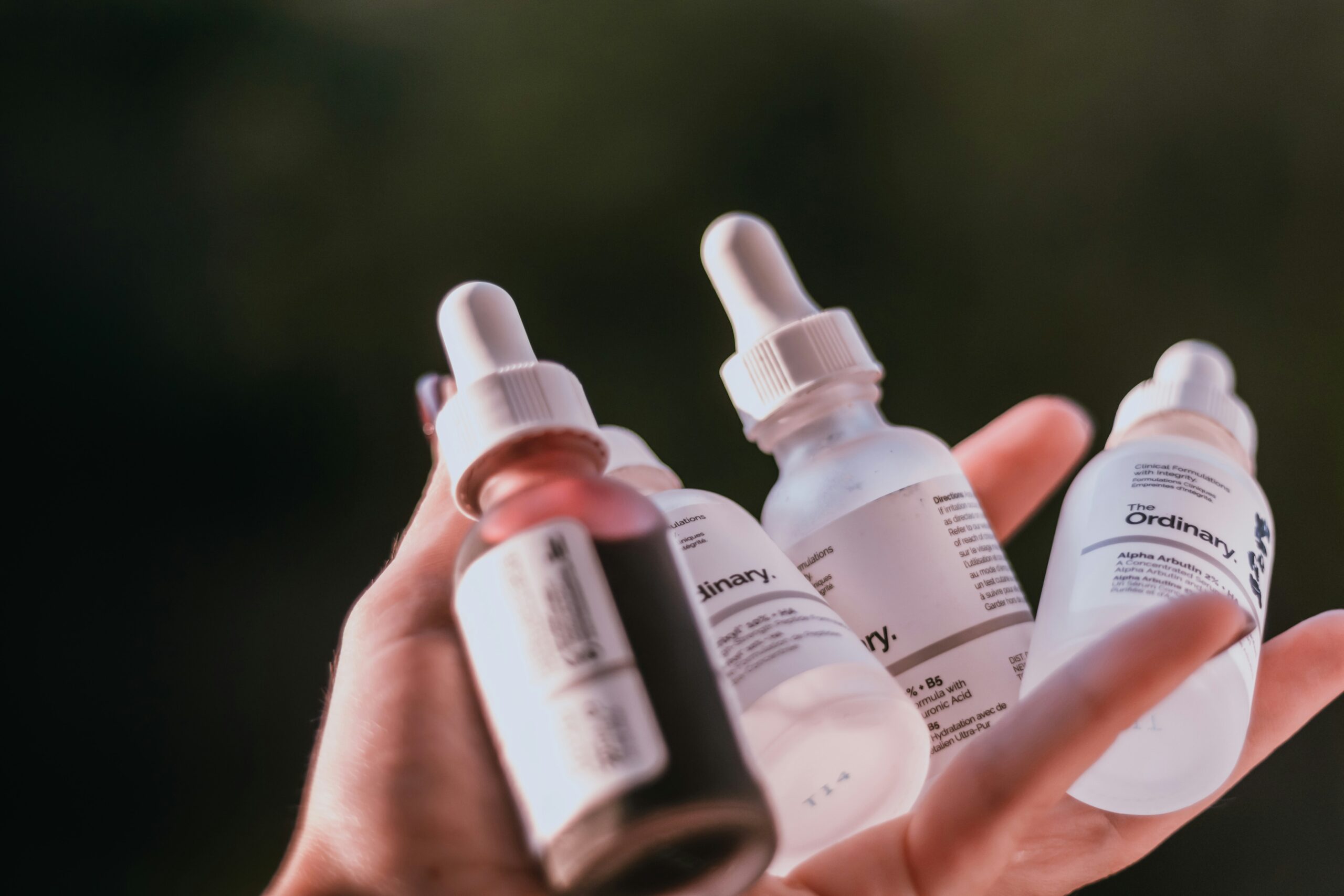
You’re no stranger to that familiar, unwelcome eruption. Just when you think your skin is behaving, a hormonal shift rolls in like an unwelcome guest, and suddenly, you’re looking in the mirror at inflamed red bumps and persistent blemishes. Hormonal acne, particularly the flare-ups it triggers, can be incredibly frustrating. Reduce Acne Flare-ups It’s a cyclical battle, often linked to your menstrual cycle, stress, or other internal changes. But don’t despair! Understanding the triggers and adopting a strategic approach can significantly reduce the frequency and severity of these hormonal acne flare-ups. This guide is your roadmap to taking back control of your skin.
Your skin doesn’t exist in a vacuum; it’s intricately connected to the complex symphony of hormones coursing through your body. Hormonal shifts are natural, but they can have a profound impact on your complexion, especially when it comes to acne.
The Role of Androgens in Acne
Androgens, often referred to as “male hormones” but present in everyone, play a starring role in the acne drama. Testosterone is the most well-known androgen.
Sebum Production: The Oily Culprit
During periods of hormonal fluctuation, such as puberty, your menstrual cycle, or during times of stress, androgen levels can surge. This surge signals your sebaceous glands to ramp up sebum production. Sebum is the natural oil that lubricates your skin and hair. While essential for healthy skin, excess sebum becomes a breeding ground for acne. It mixes with dead skin cells, creating a thick plug that can clog pores.
P. acnes Bacteria: The Opportunistic Invader
Your skin is home to a common bacterium known as _Propionibacterium acnes_ ( _P. acnes_). This bacteria thrives in the environment created by excess sebum. When pores become clogged, _P. acnes_ has ample food and an oxygen-deprived environment to multiply rapidly.
Inflammation: The Body’s Response
As _P. acnes_ bacteria proliferate within the clogged pore, your body’s immune system kicks into gear. It sends inflammatory cells to fight the perceived invasion, resulting in the redness, swelling, and pain associated with acne papules and pustules.
Menstrual Cycle Shenanigans: Predictable Breakouts
For many, hormonal acne is intrinsically linked to their monthly cycle. The ebb and flow of estrogen and progesterone can create a predictable pattern of breakouts.
The Luteal Phase Surge: Post-Ovulation Pains
Following ovulation in the middle of your cycle, your progesterone levels rise. If pregnancy doesn’t occur, both estrogen and progesterone levels then drop significantly in the week leading up to your period. This sharp decline in estrogen can lead to an increase in androgen activity, consequently boosting sebum production. This is why many women experience breakouts in the days before and during their menstruation.
Fluctuations Across Life Stages
It’s not just your monthly cycle. Significant hormonal shifts throughout your life can also be culprits.
Puberty: The Hormonal Onslaught
During puberty, the surge in sex hormones (estrogen, progesterone, and androgens) is dramatic, leading to the widespread onset of acne for many.
Pregnancy: A Mixed Bag of Hormonal Changes
Pregnancy brings a complex mix of hormonal changes. Some individuals experience clearer skin due to rising estrogen levels, while others may see an increase in acne due to other hormonal influences.
Menopause and Perimenopause: Shifting Sands
As your body transitions through perimenopause and menopause, estrogen levels decline, and androgen levels can become relatively more dominant. This shift can trigger or worsen adult-onset acne, often appearing on the jawline and chin.
Stress: The Silent Aggravator
Your mind and skin are not separate entities. When you’re stressed, your body releases cortisol, the primary stress hormone.
Cortisol and Androgen Connection
Elevated cortisol levels can indirectly stimulate the production of androgens. This means that even if your baseline hormone levels are relatively balanced, chronic or acute stress can still trigger the hormonal cascade that leads to breakouts.
The Inflammation Ripple Effect
Cortisol itself also plays a role in inflammation. Therefore, stress can contribute to acne not only by increasing sebum production but also by exacerbating the inflammatory response in your skin.
For those looking to manage acne flare-ups caused by hormonal shifts, it can be beneficial to explore various lifestyle and dietary changes. A related article that delves into the importance of maintaining a balanced approach to health and fitness is available at Dianabol: Your Guide to Building Muscle Fast. This article discusses how certain supplements and exercise regimens can influence hormonal balance, which may indirectly help in reducing acne breakouts.
Proactive Skincare Strategies: Building Your Defense
Managing hormonal acne flare-ups isn’t just about reacting to a breakout; it’s about creating a robust defense system. A consistent and targeted skincare routine is your first line of offense.
Gentle Cleansing: Removing Grime Without Stripping Skin
The foundation of any effective acne-fighting routine is a gentle yet thorough cleanse.
Why Gentle Matters
Harsh cleansers can strip your skin of its natural oils, leading to a cycle of overproduction as your skin tries to compensate. This can worsen existing breakouts and create new ones.
What to Look For in a Cleanser
Opt for a mild, non-comedogenic (won’t clog pores) cleanser. Ingredients like salicylic acid (a beta-hydroxy acid, or BHA) are excellent for acne-prone skin. Salicylic acid is oil-soluble, meaning it can penetrate deep into your pores to dissolve sebum and dead skin cells. Look for cleansers that are pH-balanced to avoid disrupting your skin’s natural barrier.
Cleansing Frequency: Less is More (Usually)
Cleanse your face twice a day: once in the morning to remove any overnight buildup and once in the evening to remove makeup, sunscreen, and environmental debris. Avoid over-washing, which can lead to irritation.
Targeted Treatments: Introducing Active Ingredients
Once your skin is clean and prepped, it’s time to introduce ingredients that can actively combat acne.
Salicylic Acid: The Pore Purifier
As mentioned, salicylic acid is a powerhouse for hormonal acne. You’ll find it in cleansers, toners, spot treatments, and even moisturizers. It works by exfoliating the pore lining and reducing inflammation.
Benzoyl Peroxide: The Bacteria Buster
Benzoyl peroxide is an antimicrobial agent that effectively kills _P. acnes_ bacteria. It also has some anti-inflammatory properties. It comes in various concentrations (2.5% to 10%). Start with a lower concentration to minimize dryness and irritation. Benzoyl peroxide can bleach fabrics, so be mindful of your pillowcases and towels.
Retinoids: The Skin’s Regenerator
Retinoids are a class of vitamin A derivatives that are incredibly effective at treating acne. They work by accelerating cell turnover, preventing pores from becoming clogged, and reducing inflammation.
Over-the-Counter Options: Retinol
Retinol is a gentler, over-the-counter retinoid. It’s a great starting point for those new to retinoids. Start by applying it a few nights a week and gradually increase frequency as your skin tolerates it.
Prescription-Strength Powerhouses: Tretinoin, Adapalene, and Tazarotene
If over-the-counter options aren’t sufficient, a dermatologist can prescribe stronger retinoids like tretinoin, adapalene, and tazarotene. These are highly effective but can also be more irritating, requiring careful introduction and consistent moisturizing.
Moisturizing: Hydration is Key to Barrier Health
It might seem counterintuitive to moisturize acne-prone skin, but it’s crucial.
Why Hydration is Non-Negotiable
When your skin is dehydrated, it can actually increase sebum production in an attempt to compensate. A well-hydrated skin barrier is also more resilient and better equipped to heal.
Choosing the Right Moisturizer
Look for oil-free, non-comedogenic moisturizers. Gel-based or water-based formulas are often ideal for oily and acne-prone skin. Ingredients like hyaluronic acid and ceramides can help lock in moisture without adding heaviness.
Sun Protection: Shielding Your Skin for Prevention
Sun exposure can worsen inflammation and lead to post-inflammatory hyperpigmentation (dark spots) left behind by acne.
The SPF Imperative
Make broad-spectrum SPF 30 or higher a non-negotiable part of your daily routine, even on cloudy days. Sunscreens can also help prevent existing acne scars from darkening.
Sunscreen for Oily Skin
Look for oil-free, mattifying sunscreens designed for acne-prone or oily skin. Mineral sunscreens containing zinc oxide and titanium dioxide are often well-tolerated.
Lifestyle Adjustments: Supporting Your Skin from Within

While skincare is vital, addressing hormonal acne flare-ups often requires a holistic approach that includes lifestyle adjustments. What you do outside of your skincare routine can have a significant impact.
Nutrition: Fueling Your Skin for Clarity
The food you eat directly influences your body’s inflammatory responses and hormone regulation.
The Glycemic Index and Your Skin
Studies suggest that a diet high in refined carbohydrates and sugars (foods with a high glycemic index) can lead to spikes in blood sugar and insulin. This can trigger hormonal responses that exacerbate acne.
What to Limit
- Sugary drinks and sweets
- White bread, pasta, and rice
- Processed snacks
What to Embrace
Focus on a diet rich in whole, unprocessed foods.
- Complex carbohydrates: Whole grains, legumes, vegetables, and fruits.
- Lean proteins: Fish, chicken, beans, and lentils.
- Healthy fats: Avocados, nuts, seeds, and olive oil.
Dairy: A Potential Trigger for Some
For some individuals, dairy consumption can exacerbate acne. This is thought to be due to hormones present in milk and the stimulating effect of growth factors.
Consider a Trial Elimination
If you suspect dairy might be a trigger, consider eliminating it for a few weeks to see if your skin improves. Pay attention to alternative milk sources like almond, oat, or soy milk.
Hydration: The Foundation of Health
Water is essential for all bodily functions, including skin health.
Drink Up for Clearer Skin
Adequate hydration helps flush toxins from your body and keeps your skin supple. Aim for at least eight glasses of water a day. Herbal teas also count!
Stress Management: Calming the Hormonal Storm
As we’ve discussed, stress is a major contributor to hormonal acne. Finding effective ways to manage stress is paramount.
Mindfulness and Meditation
These practices train your mind to focus on the present moment, reducing the impact of anxious thoughts. Even a few minutes of deep breathing or guided meditation daily can make a difference.
Regular Exercise: A Natural Stress Reliever
Physical activity is a fantastic way to release endorphins, the body’s natural mood boosters, and reduce cortisol levels. Aim for at least 30 minutes of moderate-intensity exercise most days of the week.
Adequate Sleep: The Body’s Repair Shop
Sleep is when your body and skin undergo crucial repair processes. Chronic sleep deprivation can disrupt hormone balance and increase inflammation.
Prioritize Your Zzz’s
Aim for 7-9 hours of quality sleep per night. Establish a regular sleep schedule, create a relaxing bedtime routine, and ensure your bedroom is dark, quiet, and cool.
Identifying and Managing Triggers: Becoming a Skin Detective
Your body is unique, and so are your acne triggers. Becoming attuned to your body’s signals is key to prevention.
Tracking Your Breakouts
A simple acne diary can be incredibly insightful. Note down when breakouts occur, what you’ve eaten, your stress levels, and any significant events during your menstrual cycle. Over time, patterns will emerge.
Environmental Factors to Consider
Sometimes, environmental factors can play a role.
Product Sensitivity
Have you recently introduced new skincare or makeup products? A reaction to an ingredient could be contributing.
Hair Products
If you have oily hair, the oils can transfer to your face when your hair touches your skin, potentially clogging pores.
Friction and Pressure
Constantly touching your face, resting your chin on your hands, or wearing tight headbands or helmets can irritate and clog pores.
When to Seek Professional Help: Partnering with a Dermatologist

While a strategic at-home approach can be highly effective, there are times when professional intervention is necessary for persistent or severe hormonal acne.
Understanding When to Call in the Experts
If your acne is causing significant emotional distress, scarring, or not responding to over-the-counter treatments, it’s time to consult a dermatologist.
Prescription Medications: More Potent Solutions
Dermatologists have access to a range of prescription medications that can be tailored to your specific needs.
Oral Contraceptives: Balancing Hormones
For many women, certain oral contraceptives can significantly reduce hormonal acne by regulating the hormonal fluctuations that trigger breakouts. Your doctor will work with you to find a pill that’s appropriate.
Spironolactone: An Anti-Androgen Ally
Spironolactone is a medication commonly prescribed for hormonal acne in women. It works by blocking the effects of androgens in the body, thereby reducing sebum production.
Isotretinoin: The Powerful Option for Severe Acne
In severe cases of cystic or persistent acne that haven’t responded to other treatments, isotretinoin (formerly known as Accutane) may be prescribed. This is a potent vitamin A derivative that directly targets all the factors involved in acne formation but requires close medical supervision due to potential side effects.
Professional Procedures: Targeted Therapies
Dermatologists also offer in-office procedures that can complement at-home care.
Chemical Peels
Chemical peels use acids to exfoliate the top layers of skin, unclogging pores, improving texture, and reducing inflammation.
Laser and Light Therapies
Certain laser and light-based treatments can target acne-causing bacteria and reduce inflammation.
Corticosteroid Injections
For large, painful cystic breakouts, a dermatologist can inject a corticosteroid directly into the lesion to rapidly reduce inflammation and shrink the pimple.
The Importance of a Personalized Treatment Plan
Your dermatologist will assess your individual skin needs, medical history, and lifestyle to create a personalized treatment plan. They can help you navigate the complexities of hormonal acne and guide you toward the most effective solutions. Don’t hesitate to schedule an appointment if you feel your skin is out of control – they are your allies in the fight against blemishes.
If you’re looking for effective strategies to manage acne flare-ups caused by hormonal shifts, you might find it helpful to explore related topics such as the impact of hormone levels on skin health. For instance, understanding the common mistakes when buying testosterone can provide insights into how hormonal imbalances might contribute to skin issues. You can read more about this in the article available here. By addressing these hormonal factors, you can take a more comprehensive approach to reducing acne breakouts.
Maintaining Clearer Skin: Long-Term Strategies for Stability
| Factors | Impact |
|---|---|
| Diet | High glycemic index foods can trigger hormonal changes leading to acne flare-ups |
| Stress | Increased stress can lead to hormonal imbalances and exacerbate acne |
| Skincare | Using non-comedogenic products and gentle cleansing can help reduce acne flare-ups |
| Medication | Consulting a healthcare professional for hormonal medication can help manage acne |
Beating hormonal acne flare-ups isn’t a one-time battle; it’s an ongoing commitment to maintaining skin health and balance. Once you’ve achieved a degree of control, developing long-term strategies is crucial to prevent future flare-ups.
Consistency is Your Best Friend
The most important aspect of long-term acne management is consistency.
Stick to Your Routine
Even when your skin is clear, continue with your gentle cleansing, targeted treatments (as advised by your dermatologist), moisturizing, and daily sun protection. Inconsistent skincare can lead to a relapse.
Listen to Your Skin
Your skin will tell you what it needs. If you notice a new product causing irritation, scale back. If you feel particularly stressed, double down on your stress management techniques.
Adapting as Your Hormones Shift
Your hormonal landscape isn’t static. As you move through life, your hormones will continue to fluctuate.
Pre-Menstrual Precautions
If you know you’re prone to breakouts around your period, you might proactively incorporate a spot treatment or a gentle exfoliating product in the week leading up to your expected period. This can help prevent pimples from forming or developing into full-blown flares.
Managing Stress Peaks
Identify periods of increased stress in your life (work deadlines, major life events) and be prepared to intensify your stress management techniques. This might mean scheduling in more time for exercise, meditation, or relaxation.
The Role of Diet and Lifestyle: A Continuous Commitment
The lifestyle adjustments we’ve discussed aren’t just for reactive management; they are crucial for long-term skin health.
Maintaining a Balanced Diet
Continue to prioritize whole, unprocessed foods and limit those that tend to trigger inflammation. Hydration should remain a daily habit.
Ongoing Stress Management Practices
Don’t let stress management fall by the wayside once your skin is clearer. Integrate mindfulness, exercise, and sufficient sleep into your regular routine for sustained well-being.
Regular Dermatologist Check-Ins: Staying Ahead of the Curve
Even with excellent at-home care, periodic check-ins with your dermatologist can be beneficial.
Fine-Tuning Your Treatment Plan
Your skin’s needs can evolve. Your dermatologist can assess your progress, make adjustments to your treatment plan if necessary, and address any emerging concerns.
Preventing Scarring and Hyperpigmentation
Early intervention and proper management can significantly reduce the risk of acne scarring and post-inflammatory hyperpigmentation, ensuring that your skin not only stays clear but also heals beautifully.
By understanding the intricate connection between your hormones and your skin, adopting a diligent skincare routine, embracing supportive lifestyle changes, and knowing when to seek professional help, you can significantly reduce the impact of hormonal acne flare-ups and achieve clearer, healthier-looking skin. It’s a journey, but with the right knowledge and dedication, you can reclaim your complexion.
FAQs
What are hormonal shifts and how do they cause acne flare-ups?
Hormonal shifts occur when there is an imbalance in hormone levels in the body, commonly seen during puberty, menstruation, pregnancy, and menopause. These shifts can lead to an increase in sebum production, which can clog pores and lead to acne flare-ups.
What are some lifestyle changes that can help reduce acne flare-ups caused by hormonal shifts?
Maintaining a healthy diet, managing stress levels, getting regular exercise, and practicing good skincare habits can all help reduce acne flare-ups caused by hormonal shifts. Additionally, avoiding harsh skincare products and minimizing exposure to pollutants can also be beneficial.
Are there any specific skincare products or ingredients that can help reduce acne flare-ups related to hormonal shifts?
Skincare products containing ingredients like salicylic acid, benzoyl peroxide, and retinoids can help reduce acne flare-ups by unclogging pores and reducing inflammation. Additionally, using non-comedogenic products and gentle cleansers can help maintain healthy skin.
What role does diet play in reducing acne flare-ups caused by hormonal shifts?
Maintaining a balanced diet that includes plenty of fruits, vegetables, whole grains, and lean proteins can help reduce acne flare-ups. Avoiding sugary and processed foods, as well as dairy and high-glycemic index foods, may also be beneficial in managing hormonal acne.
When should someone seek professional help for hormonal acne flare-ups?
If over-the-counter treatments and lifestyle changes do not effectively manage hormonal acne flare-ups, it may be necessary to seek professional help from a dermatologist. They can provide personalized treatment options, such as prescription medications or procedures, to help manage hormonal acne.