
How to Store Peptides to Maintain Potency?


You’ve invested in peptides, those powerful signaling molecules that can unlock a new level of well-being and performance. You’ve meticulously researched, selected the right ones for your goals, and now they’ve arrived. But before you start tapping into their potential, the most crucial question arises: how do you store them to ensure they remain potent and effective? It’s not as simple as tossing them in a drawer. Improper storage can lead to degradation, rendering your investment useless. This guide will walk you through everything you need to know to keep your peptides in peak condition, from the moment they arrive to the last vial.
Peptides are delicate compounds. Their potency hinges on their structural integrity. This structure is a chain of amino acids held together by peptide bonds. Think of it like a finely tuned engine; if any part of that engine is damaged or altered, its performance suffers. Degradation can occur through various mechanisms, each impacting the peptide’s ability to interact with its intended biological targets. Understanding these mechanisms is the first step in preventing them.
Hydrolysis: The Enemy of Peptide Bonds
One of the primary culprits in peptide degradation is hydrolysis. This process involves the breaking of peptide bonds by water molecules. The presence of moisture, even in trace amounts, can initiate this breakdown. Imagine water molecules attacking the bonds connecting the amino acids, essentially snipping them apart. This leads to shorter peptide fragments, which often have significantly reduced or entirely lost their biological activity. The longer the peptide, the more peptide bonds it has, and therefore, the more susceptible it is to hydrolysis.
Oxidation: The Silent Saboteur
Another significant threat is oxidation. Peptides contain amino acids with side chains that are susceptible to oxidation, particularly those containing sulfur (like methionine and cysteine) or aromatic rings (like tyrosine and tryptophan). Oxidative damage can lead to changes in the peptide’s three-dimensional structure, altering its ability to bind to receptors or perform its intended function. This can happen through exposure to oxygen, light, and certain metal ions. Think of it like rust forming on metal, compromising its strength and integrity.
Heat: The Accelerant of Decay
Temperature plays a critical role in the rate of chemical reactions, including those that lead to peptide degradation. Elevated temperatures significantly accelerate hydrolysis, oxidation, and other breakdown processes. What might take weeks or months to degrade at room temperature could degrade in days or even hours at higher temperatures. This is why refrigeration and freezing are so vital in peptide storage.
Microbial Contamination: The Unwanted Guests
While not a chemical degradation process, microbial contamination is a serious concern. Bacteria and fungi can metabolize peptides, breaking them down into inactive components. Furthermore, if you’re preparing reconstituted peptides for injection, contamination can occur during the reconstitution or drawing process, leading to the introduction of harmful microorganisms into your body. Sterility is paramount in handling and storing peptides that will be injected.
Denaturation: Losing Your Shape
Peptides fold into specific three-dimensional structures to be biologically active. This specific folding is called denaturation. Factors like extreme pH changes, heat, or sometimes even mechanical stress (like vigorous shaking) can cause a peptide to unfold or denature, losing its functional shape. Once denatured, a peptide often cannot refold correctly and loses its potency.
How Degradation Affects Potency
The loss of potency isn’t a binary switch. It’s a spectrum. As a peptide degrades, its effectiveness diminishes gradually. You might notice reduced results, inconsistent outcomes, or a complete lack of desired effects. This not only wastes your money but can also lead to frustration and a loss of confidence in the products you’re using. Maintaining optimal storage conditions ensures you’re getting the full benefit of the peptides you’ve purchased.
The Importance of Proper Storage Conditions
Understanding the mechanisms of degradation highlights the critical need for specific storage conditions. These conditions are designed to minimize exposure to the very factors that cause peptides to break down. It’s about creating an environment where the peptide molecules remain stable and retain their original structure and thus their biological activity.
Temperature Control: The Cornerstone of Preservation
Temperature is arguably the most significant factor in peptide degradation. Lower temperatures slow down chemical reactions considerably. This is why refrigeration and freezing are fundamental to proper peptide storage. The specific temperature requirements can vary, but general guidelines apply to most commercially available peptides.
Refrigeration: The Standard for Most Peptides
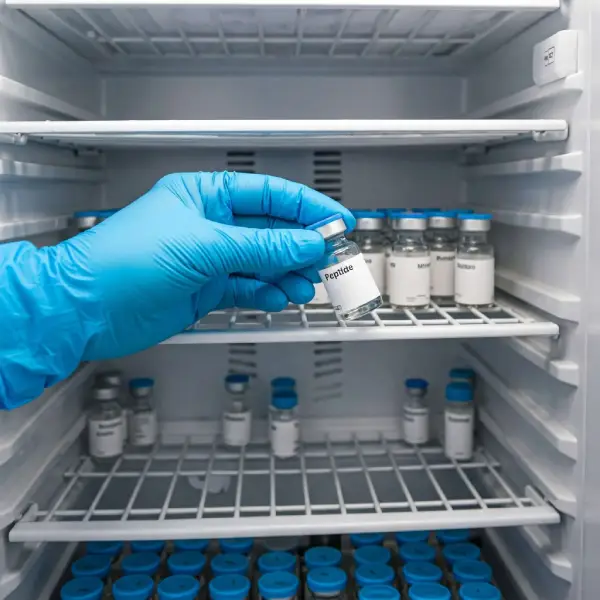
For the vast majority of peptides, refrigeration is the recommended storage method. This typically means storing them in a refrigerator set between 2°C and 8°C (35°F and 46°F). This temperature range is cool enough to significantly slow down hydrolysis and oxidation without causing damage through freezing. Always ensure your refrigerator maintains a consistent temperature and avoid opening it unnecessarily, which can cause fluctuations.
Freezing: For Extended Storage
For even longer-term storage, freezing is often recommended. This typically involves temperatures below -15°C (5°F), with many opting for -20°C (-4°F) or even colder, as found in standard freezers. Freezing dramatically slows down enzymatic activity and chemical reactions. However, it’s crucial to note that repeated freeze-thaw cycles can be detrimental. If you freeze a peptide, aim to store it as single-use aliquots if possible to avoid thawing and refreezing.
Room Temperature: A Temporary Solution, Not a Long-Term Strategy
While some research peptides might be stable at room temperature for very short periods (e.g., during transit), it is generally not a recommended long-term storage solution for any potent peptide. Exposure to ambient temperatures, even for a few days, can initiate degradation processes, especially in warmer climates. Always refer to the manufacturer’s specific recommendations for room temperature stability.
Protection from Light: Shielding Your Peptides
Many peptides are photosensitive, meaning they can be degraded by exposure to light, particularly UV light. This is why peptides are often packaged in amber vials or opaque containers. You should always store your peptides in a dark place, such as a closed cabinet or drawer, away from direct sunlight or artificial light sources.
UV Degradation: A Subtle but Damaging Effect
Ultraviolet radiation can excite molecules within the peptide structure, leading to chemical bond breakage and the formation of free radicals, which can trigger further oxidative damage. Even visible light can contribute to degradation over time. Therefore, maintaining darkness is as important as temperature control.
Moisture Control: Keeping Water at Bay
As discussed, water is a primary driver of hydrolysis. This is particularly relevant once a peptide has been reconstituted with bacteriostatic water or other sterile solutions. Unused reconstituted peptides are highly susceptible to microbial growth and hydrolysis.
Anhydrous Conditions: The Ideal Scenario
Ideally, peptides should be stored in a dry, anhydrous environment. This is especially true for lyophilized (freeze-dried) peptides before reconstitution. Lyophilization removes most of the water, making them very stable. Once reconstituted, however, the presence of water necessitates strict temperature control.
Desiccants: Your Ally Against Humidity
For stored lyophilized peptides, you can consider using desiccants (like silica gel packets) within your storage container to absorb any ambient moisture. Ensure these desiccants are not in direct contact with the peptide vials themselves.
Maintaining Sterility: Preventing Contamination
Sterility is paramount, especially for peptides intended for injection. Contamination can lead to product spoilage and, more importantly, pose a health risk.
Handling Reconstituted Peptides: A Sterile Field is Essential
When you reconstitute a lyophilized peptide, you are introducing a liquid medium. This medium, along with any subsequent manipulation (like drawing from the vial), becomes a breeding ground for microbes if not handled aseptically. Always use sterile syringes, needles, and clean practices in a sterile environment when reconstituting and drawing from peptide vials.
Storage of Reconstituted Peptides: Refrigerator is Key
Once reconstituted, peptides are highly perishable. They should always be stored in the refrigerator and used within the recommended timeframe provided by the manufacturer. Never assume a reconstituted peptide is sterile after extended periods at room temperature.
Storage of Lyophilized (Freeze-Dried) Peptides
Lyophilized peptides are the most stable form for storage before reconstitution. This process removes water, significantly increasing shelf life and viability. However, even these need careful handling to maintain their integrity.
The Benefits of Lyophilization
The lyophilization process involves freezing the peptide solution and then removing the ice through sublimation under vacuum. This leaves a porous, dry powder that is highly resistant to degradation caused by water and heat when stored correctly. This dry state is your best bet for long-term storage.
Initial Storage Upon Arrival
When your lyophilized peptides arrive, the first step is to inspect the packaging. Ensure the vials are intact, the seals are secure, and there’s no visible damage. If the product is meant to be cold-shipped, check if the cold pack is still cold or if there’s an indicator showing it maintained its temperature during transit.
Storing Unreconstituted Vials
Once you’ve confirmed the vials are in good condition, it’s time to store them.
The Refrigerator or Freezer Dilemma
For most lyophilized peptides, the manufacturer will recommend either refrigerator-only storage (2°C to 8°C) or freezer storage (-15°C or colder). If the manufacturer provides instructions, always follow those precisely. If no specific instructions are given, a standard refrigerator is usually a safe bet for shorter to medium-term storage. For very long-term storage (over a year), a freezer is generally preferred.
Avoiding Temperature Fluctuations
When storing multiple vials, try to keep them together in one area of the refrigerator or freezer to minimize exposure to temperature changes when you open the door. Avoid storing them near the door, as this area experiences the most significant temperature swings.
The Role of Desiccants
As mentioned earlier, using desiccants in the storage container can be beneficial. Place the vials in a sealed container along with a desiccant packet. This will absorb any residual moisture in the air within the container, further protecting the lyophilized powder from potential hydrolysis. Ensure the desiccant is not in direct contact with the vials.
Shelf Life of Lyophilized Peptides
The shelf life of lyophilized peptides can vary significantly depending on the specific peptide, the manufacturer’s quality control, and storage conditions. Many lyophilized peptides, when stored correctly, can remain viable for several years. Always check the expiration date provided by the manufacturer. However, it’s important to note that “expiration date” often refers to optimal potency; some loss of potency may occur even before this date if storage conditions are suboptimal.
Storing Reconstituted Peptides: A More Delicate Process
Once you reconstitute a lyophilized peptide with a sterile solvent (usually bacteriostatic water), you introduce water back into the system, and the stability drastically decreases. This is where careful handling and strict adherence to storage protocols become non-negotiable.
The Reconstitution Process Recap
Remember that reconstitution is a sterile procedure. You’ll typically use a sterile syringe and needle to draw the appropriate amount of bacteriostatic water and inject it into the lyophilized vial. Gently swirl the vial (do not shake vigorously) to dissolve the powder.
Immediate Refrigeration is Crucial
After reconstitution, the peptide is now dissolved and much more susceptible to degradation. The reconstituted solution should be immediately placed in the refrigerator (2°C to 8°C). Do not leave it at room temperature, even for a short period.
Aliquoting for Reduced Contamination Risk
One of the best practices for storing reconstituted peptides is to aliquot them into smaller, single-use portions.
Why Aliquoting Matters
Every time you draw from a vial of reconstituted peptide, you introduce a risk of contamination. Furthermore, the process of drawing can expose the solution to ambient air and potential microbes. By aliquoting, you can thaw or prepare only the amount you need, minimizing the repeated exposure of the bulk solution to these risks.
How to Aliquote
After reconstituting the bulk vial, use sterile syringes and needles to draw out the desired amount into smaller sterile vials or cryovials. Label each aliquot clearly with the peptide’s name, concentration, and the date of reconstitution. Store these aliquots in the freezer.
Freezing Reconstituted Peptides: Is it Always Recommended?
For long-term storage of reconstituted peptides, freezing is generally recommended.
Benefits of Freezing Reconstituted Peptides
Freezing significantly slows down both chemical degradation and potential microbial growth in the reconstituted solution. This is especially true for aliquots that you intend to store for more than a few weeks.
Optimal Freezing Temperatures
Store reconstituted peptide aliquots in a freezer set at -20°C (-4°F) or colder. Label them clearly as per the aliquotting instructions.
Avoiding Freeze-Thaw Cycles
While freezing is beneficial, repeated freeze-thaw cycles can still damage peptide structures. Therefore, it’s best to only thaw a single aliquot at a time and use it. Do not refreeze a thawed aliquot.
Shelf Life of Reconstituted Peptides
The shelf life of reconstituted peptides is considerably shorter than their lyophilized counterparts.
Refrigerator Storage: Typically Weeks
Most reconstituted peptides, when stored properly in the refrigerator, are stable for a period of approximately 2 to 4 weeks. However, this can vary greatly. Always consult the manufacturer’s guidelines for the specific peptide you are using. Some may be stable for longer, while others may degrade more rapidly.
Freezer Storage: Months to a Year or More
Reconstituted peptide aliquots stored in the freezer can remain viable for several months to a year or even longer, depending on the peptide. Again, refer to manufacturer recommendations. It’s prudent to use them within six months to a year for optimal potency.
Signs of Degradation in Reconstituted Peptides
Watch out for changes in appearance. If the reconstituted solution becomes cloudy, discolored, or shows precipitates, it’s a strong indication of degradation or contamination and should be discarded.
Best Practices for Handling and Transport
| Storage Condition | Effect on Potency |
|---|---|
| Room Temperature | Decreases potency over time |
| Refrigeration (2-8°C) | Preserves potency for longer periods |
| Freezing (-20°C) | Preserves potency for extended periods |
| Avoiding Moisture | Prevents degradation and maintains potency |
Your commitment to potency doesn’t end at the storage shelf. Proper handling and transport are equally important to maintain the integrity of your peptides.
Cleanliness is Paramount
Before you even touch a vial or a syringe, ensure your hands are thoroughly washed with soap and water. If you’re reconstituting or drawing peptides for injection, work in a clean environment, ideally one where you can create a sterile field. This minimizes the risk of introducing contaminants.
Gentle Handling: Avoid Shaking and Dropping
Peptides are not robust. While lyophilized peptides are somewhat more forgiving, avoid dropping or vigorously shaking vials. This can cause mechanical stress that might subtly alter the peptide’s structure. When dissolving lyophilized peptides, gentle swirling is preferred over vigorous shaking.
Transporting Peptides: Maintaining the Cold Chain
If you need to transport peptides, especially reconstituted ones that require refrigeration, maintaining the cold chain is essential.
Using Insulated Carriers and Cold Packs
Invest in a quality insulated transport bag or cooler. Use frozen gel packs or dry ice (with appropriate precautions for handling) to keep the temperature within the recommended range during transit. Ensure the cold packs are still cold when you need to use them.
Minimal Transit Time
Plan your transportation to minimize the time the peptides are outside of their ideal storage temperature. If possible, use a service that offers expedited shipping with temperature monitoring.
Documentation: Keeping Track of Everything
Maintaining accurate records is a crucial best practice for managing your peptide inventory.
Labeling: Clear and Concise Information
Ensure every vial, whether lyophilized or reconstituted, is clearly labeled. Include:
- Peptide Name: Be specific (e.g., BPC-157, GHRP-2).
- Concentration: For reconstituted peptides, indicate the final concentration (e.g., 2mg/mL).
- Date of Reconstitution: Essential for tracking the shelf life of reconstituted peptides.
- Date of Expiration (if applicable): For lyophilized peptides.
- Storage Conditions: A reminder of where it should be stored (e.g., “Refrigerate,” “Freezer”).
Inventory Log
Keep a simple spreadsheet or notebook detailing:
- Which peptides you have.
- When you received them.
- Lot numbers (for traceability).
- Expiration dates.
- Dates of reconstitution.
- Which aliquots are stored in the freezer, their dilution, and their approximate remaining viability.
This log will help you manage your stock, ensure you use older peptides first (FIFO – First In, First Out), and prevent accidental use of expired or degraded products.
Disposal of Expired or Degraded Peptides
When a peptide vial is past its expiration date, shows signs of degradation (cloudiness, discoloration), or you’ve reached the end of its recommended shelf life after reconstitution, it’s time to dispose of it. Do not attempt to use it. Consult your local regulations for proper chemical disposal, as some peptides may require special handling to prevent environmental contamination.
Frequently Asked Questions and Troubleshooting
Even with the best intentions, questions and occasional problems can arise. Here are some common scenarios and how to address them.
Q: My reconstituted peptide looks slightly cloudy. Is it still usable?
A: A slightly cloudy appearance in a reconstituted peptide solution is generally a sign of degradation or, sometimes, bacterial contamination. It is best to err on the side of caution and discard it. While some minor haziness might occur in certain peptides without full expiration, it’s a red flag that indicates a loss of potency or potential safety issues. Never inject a solution that looks off.
Q: How many times can I reconstitute a vial?
A: The number of times you can reconstitute a vial is unlimited in theory, but in practice, each puncture of the vial’s septum introduces a risk of contamination. The most significant factor limiting the usable life of a reconstituted vial is not the number of punctures, but the time elapsed and the storage conditions. It’s far better to reconstitute a vial, aliquot it into multiple sterile vials, and freeze those aliquots for long-term use. This minimizes repeated exposure of the bulk liquid to air and the risk of contamination.
Q: I accidentally left a reconstituted peptide out of the fridge overnight. What should I do?
A: If you accidentally left a reconstituted peptide at room temperature for an extended period (several hours to overnight), its potency is compromised. It’s highly recommended to discard it. The increased temperature significantly accelerates degradation. The risk of bacterial growth is also elevated.
Q: Can I use different bacteriostatic water brands?
A: While most bacteriostatic water preparations are similar, it’s always best to stick with a reputable brand recommended by your peptide supplier or one known for its quality and sterility. Ensure the bacteriostatic water itself is stored correctly according to its instructions.
Q: What if my refrigerator temperature fluctuates often?
A: Frequent temperature fluctuations in your refrigerator can significantly impact peptide stability. Consider investing in a digital refrigerator thermometer to monitor the temperature closely. If fluctuations are constant, it might be time to repair or replace your appliance. For essential storage, a dedicated small laboratory refrigerator or a medical-grade unit offers more stable temperature control.
Q: How can I tell if my lyophilized peptide has gone bad before reconstituting?
A: Lyophilized peptides are quite stable. The most common signs of an issue before reconstitution would be a broken seal on the vial, a compromised vacuum seal (if the stopper is pushed in or not flush), or visible moisture ingress. If the powder itself appears clumped in a way that suggests it’s been exposed to moisture, it might be degraded. However, most issues with lyophilized peptides only become apparent after reconstitution if they do not dissolve properly or if the resulting solution is unstable.
By diligently following these guidelines, you can ensure that the peptides you’ve invested in remain as potent and effective as possible, allowing you to reap their full benefits. Remember, proper storage is not just about preserving the product; it’s about respecting your investment and ensuring the best possible outcomes for your health and wellness goals.
FAQs
1. What are peptides and why is it important to store them properly?
Peptides are short chains of amino acids that are essential for various biological functions in the body. Proper storage of peptides is important to maintain their potency and effectiveness for research or therapeutic purposes.
2. What are the key factors to consider when storing peptides?
Key factors to consider when storing peptides include temperature, moisture, light exposure, and potential for contamination. Proper storage conditions can vary depending on the specific peptide, but generally, peptides should be stored in a cool, dry, and dark environment to prevent degradation.
3. What is the recommended temperature for storing peptides?
The recommended temperature for storing peptides is typically between -20°C to -80°C. Storing peptides at lower temperatures helps to slow down degradation and maintain their potency over time.
4. How can moisture and light exposure affect the potency of peptides?
Exposure to moisture can lead to hydrolysis, which can degrade peptides. Light exposure can also cause degradation through processes such as oxidation. Both moisture and light exposure can significantly reduce the potency and effectiveness of peptides.
5. What are some best practices for storing peptides to maintain potency?
Some best practices for storing peptides include using airtight containers to minimize moisture exposure, storing peptides in a dark environment or using amber vials to protect from light, and regularly monitoring and maintaining proper storage conditions. It is also important to follow any specific storage instructions provided by the manufacturer.