
5 Tips for Fixing Low Libido: The Connection Between Hormones and Sex Drive

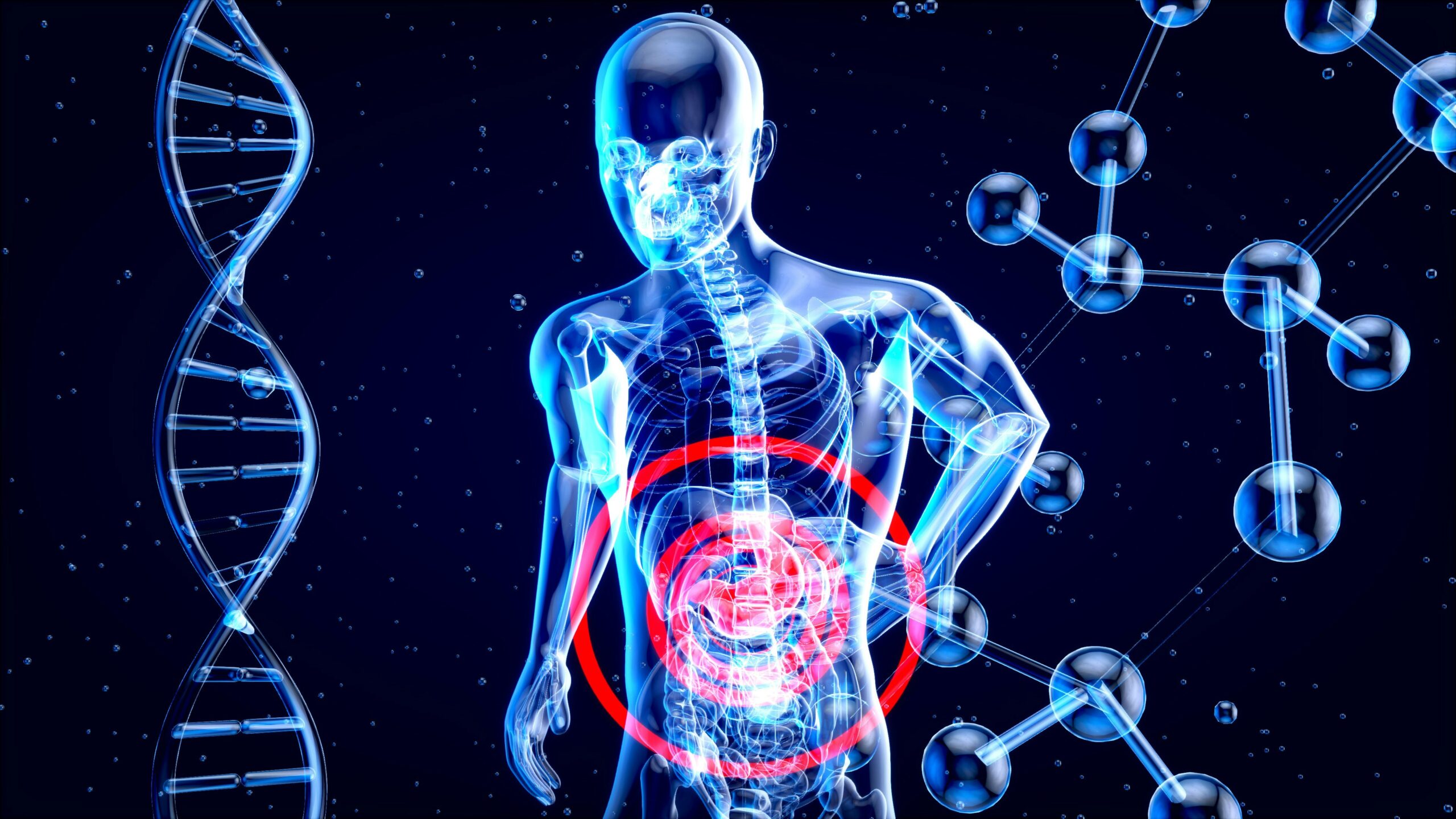
You’ve noticed a shift. That spark, that inherent desire, feels… dimmer. You’re not alone. Many experience fluctuations in their sex drive, and it’s completely understandable to seek solutions. Often, the root of this Fixing Low Libido lies deep within your body, specifically in the intricate dance of your hormones. This article is your guide to understanding the connection between hormones and sex drive, and more importantly, it offers five actionable tips to help you rekindle that fire.
Your libido, that innate urge for sexual activity, isn’t a simple switch. It’s a complex interplay of biological, psychological, and social factors. However, at its core, hormones play a pivotal role. Think of your hormones as tiny messengers, traveling through your bloodstream, dictating everything from your mood to your energy levels, and yes, your desire for intimacy. When these messengers are out of sync, your sex drive can be one of the first things to falter.
The Key Hormonal Players
Several hormones contribute to your sex drive. Understanding their individual roles can be the first step in identifying potential imbalances.
Testosterone: More Than Just a “Man”‘s Hormone
While often associated with men, testosterone is vital for both sexes. In women, it contributes to muscle mass, bone density, and crucially, sexual desire. Even small fluctuations in testosterone levels can significantly impact your libido. For men, its role in sexual function is more direct, influencing arousal and maintaining erections.
Symptoms of Low Testosterone: What to Watch For
You might be experiencing low testosterone if you notice a persistent lack of interest in sex, fatigue, difficulty concentrating, or even a decrease in muscle mass. For men, erectile dysfunction can also be a sign.
Testosterone Replacement Therapy (TRT): When it’s an Option
For diagnosed testosterone deficiencies, TRT can be a powerful tool. However, it’s crucial to undergo thorough medical evaluation and discussion with a healthcare professional before considering this route. It’s not a one-size-fits-all solution and comes with potential risks and benefits.
Estrogen: The Feminine Hormone with a Role in Libido
Estrogen, primarily considered the female sex hormone, also influences libido in both sexes. In women, fluctuating estrogen levels, particularly during menstruation, perimenopause, and menopause, can directly impact sexual desire and vaginal lubrication, making intercourse uncomfortable. In men, while present in smaller amounts, estrogen contributes to sperm maturation and overall sexual health.
Estrogen and Menstrual Cycle Changes
During ovulation, estrogen levels peak, often coinciding with a natural increase in libido. Conversely, in the days leading up to menstruation, lower estrogen levels can sometimes lead to a decrease in desire.
Menopause and the Libido Shift
As women approach menopause, estrogen production declines significantly. This hormonal shift is a major contributor to decreased libido, vaginal dryness, and discomfort during sex.
Progesterone: The Calming Influence
Progesterone is another key hormone in the female reproductive cycle. While its primary role is to prepare the body for pregnancy, it also has a calming effect and can influence mood. Fluctuations in progesterone can indirectly impact libido by affecting your overall emotional state and stress levels.
Other Hormonal Influences You Might Not Expect
Beyond the primary sex hormones, other hormonal systems can play a significant role in your sex drive.
Thyroid Hormones: The Metabolism Masterminds
Your thyroid gland produces hormones that regulate your metabolism. Both an overactive (hyperthyroidism) and an underactive (hypothyroidism) thyroid can disrupt your energy levels, mood, and consequently, your libido. Fatigue and a general lack of motivation associated with thyroid issues can easily dampen sexual desire.
Cortisol: The Stress Hormone
Chronic stress elevates cortisol levels. While short bursts of cortisol can be helpful, persistently high levels can wreak havoc on your body, including suppressing your sex hormones and leading to a diminished libido. Your body, under constant stress, prioritizes survival over reproduction.
Prolactin: The Milk-Inducing Hormone
Prolactin is primarily known for its role in lactation after childbirth. However, elevated prolactin levels in both men and women, even without pregnancy, can suppress sex hormones and lead to a reduced libido and other sexual health issues. Certain medications, tumors, and medical conditions can cause elevated prolactin.
If you’re exploring ways to enhance your libido and understand the hormonal influences on your sex drive, you might find it helpful to read about the broader implications of hormonal balance in fitness and health. An insightful article titled “Best Practices for a Successful Anavar Cycle” discusses how anabolic steroids, like Anavar, can impact hormone levels and overall well-being, which may indirectly relate to libido. You can check it out for more information on maintaining hormonal health during fitness regimens by following this link: Best Practices for a Successful Anavar Cycle.
Tip 1: Prioritize Sleep: The Foundation of Hormonal Balance
You might think of sleep as merely downtime, but it’s a critical period for hormone regulation and repair. When you consistently skimp on sleep, you throw your entire hormonal system into disarray. This isn’t just about feeling groggy; it directly impacts the hormones that fuel your sex drive.
The Sleep-Libido Connection
During deep sleep, your body works hard to produce and regulate essential hormones, including testosterone and growth hormone. A lack of quality sleep can lead to a significant drop in these crucial hormones, impacting your energy levels and your desire for intimacy.
Why Quality Sleep is Non-Negotiable for Libido
When you’re sleep-deprived, your body pumps out more cortisol, the stress hormone. As mentioned earlier, elevated cortisol can suppress sex hormones. You’ll likely feel more fatigued, irritable, and less inclined for any physical activity, let alone sex.
Practical Strategies for Better Sleep
This isn’t about magic fixes; it’s about establishing healthy sleep habits.
Establish a Consistent Sleep Schedule
Go to bed and wake up around the same time every day, even on weekends. This helps regulate your body’s natural sleep-wake cycle, also known as your circadian rhythm. Consistency is key for your hormones.
Create a Relaxing Bedtime Routine
Wind down before bed with activities that promote relaxation. This could include a warm bath, reading a book, gentle stretching, or listening to calming music. Avoid screens (phones, tablets, computers) for at least an hour before bed, as the blue light can interfere with melatonin production.
Optimize Your Sleep Environment
Make your bedroom a sanctuary for sleep. Ensure it’s dark, quiet, and cool. Invest in comfortable bedding and pillows. Consider blackout curtains if light is an issue, or earplugs if noise is disruptive.
Be Mindful of What You Consume Before Bed
Avoid heavy meals, caffeine, and alcohol close to bedtime. While alcohol might initially make you feel drowsy, it can disrupt your sleep quality later in the night.
Tip 2: Nourish Your Body: The Fuel for Hormonal Harmony

What you eat directly impacts your hormone production and overall well-being. Think of your diet as the fuel that keeps your hormonal engine running smoothly. When you’re not providing the right nutrients, you’re essentially starving your body of the building blocks it needs to create and balance those sex-drive-boosting hormones.
The Diet-Libido Connection
A balanced diet rich in whole foods, healthy fats, and essential nutrients supports optimal hormone production and function. Conversely, a diet high in processed foods, sugar, and unhealthy fats can lead to inflammation, insulin resistance, and hormonal imbalance.
Key Nutrients for Hormone Health
Your body requires specific vitamins and minerals to produce and regulate hormones effectively.
Healthy Fats: The Building Blocks of Hormones
Fats are not the enemy! In fact, your body needs healthy fats to produce steroid hormones like testosterone and estrogen. Include sources like avocados, nuts, seeds, olive oil, and fatty fish (salmon, mackerel).
Protein: Essential for Hormone Synthesis
Protein provides the amino acids necessary for building and repairing tissues, including those involved in hormone production and receptor function. Aim for lean protein sources like chicken, fish, beans, lentils, and tofu.
Micronutrients: The Unsung Heroes
Vitamins and minerals play crucial roles in enzymatic processes involved in hormone synthesis and metabolism.
- Zinc: Crucial for testosterone production and sexual function. Found in oysters, red meat, pumpkin seeds, and legumes.
- Magnesium: Involved in hundreds of biochemical reactions, including hormone regulation. Good sources include leafy green vegetables, nuts, seeds, and whole grains.
- Vitamin D: Linked to testosterone production and overall mood. Sunlight exposure is the primary source, but it’s also found in fatty fish, fortified foods, and supplements.
- B Vitamins: Play a role in energy production and neurotransmitter synthesis, both of which can impact libido. Found in whole grains, lean meats, dairy, and leafy greens.
What to Limit or Avoid for Better Hormone Balance
Just as some foods are beneficial, others can hinder your hormonal health and thus your libido.
Reduce Sugar Intake
Excessive sugar consumption can lead to insulin resistance, inflammation, and hormonal disruptions, including lower testosterone levels.
Limit Processed Foods
These often contain unhealthy fats, excessive sodium, and can contribute to inflammation, negatively impacting hormone balance.
Moderate Alcohol Consumption
While moderate alcohol intake might not significantly affect everyone, excessive or chronic alcohol use can suppress sex hormones and negatively impact sexual function.
Hydration is Key
Don’t underestimate the power of water. Dehydration can lead to fatigue and sluggishness, both of which can dampen your desire. Aim for at least 8 glasses of water per day.
Tip 3: Move Your Body: The Exercise-Libido Connection

Physical activity is a powerful tool for boosting mood, reducing stress, and, yes, increasing your sex drive. Beyond the immediate endorphin rush, regular exercise positively influences hormone levels, improves circulation, and enhances overall well-being, all of which contribute to a healthier libido.
The Exercise-Libido Connection
Exercise has a multi-faceted impact on your sex drive. It can directly influence hormone levels, improve cardiovascular health (essential for arousal), and boost your confidence and body image, all of which can ignite your desire.
How Exercise Boosts Your Sex Drive
Exercise works its magic in several ways:
Hormone Production and Regulation
Regular physical activity, particularly strength training, can boost testosterone levels in both men and women. It also helps regulate other hormones like cortisol, reducing the negative impact of stress on your sex drive.
Improved Blood Circulation
Sexual arousal and function depend on good blood flow. Exercise strengthens your cardiovascular system, improving circulation to all parts of your body, including your genital areas. This can lead to enhanced arousal and greater responsiveness.
Stress Reduction and Mood Enhancement
Exercise is a fantastic stress reliever. By reducing cortisol and releasing endorphins, it can lift your mood, increase your energy levels, and make you feel more positive and open to intimacy. Chronic stress is a major libido killer.
Increased Energy and Stamina
Feeling physically fit contributes to having more energy and stamina, which can translate to more satisfying sexual experiences.
Finding the Right Exercise for You
The best exercise is the one you’ll actually do consistently.
Embrace Cardio for Cardiovascular Health
Activities like brisk walking, jogging, swimming, cycling, or dancing are excellent for improving cardiovascular health and blood flow. Aim for at least 150 minutes of moderate-intensity aerobic activity per week.
Incorporate Strength Training for Hormonal Support
Lifting weights or doing bodyweight exercises can help boost testosterone levels and build lean muscle mass. Aim for at least two strength training sessions per week, targeting major muscle groups.
Don’t Forget Flexibility and Mind-Body Practices
Yoga and Pilates can improve flexibility, reduce stress, and enhance body awareness, all of which can positively impact your libido. They offer a holistic approach to well-being.
Listen to Your Body
Avoid overtraining, which can actually lead to fatigue and hormonal imbalances. Rest and recovery are just as important as the workout itself. If you’re feeling consistently exhausted, it’s a sign you need to dial it back.
If you’re exploring ways to enhance your sex drive, you might find it helpful to also consider the impact of certain fitness supplements on hormonal balance. For instance, an article discussing the common mistakes to avoid during an Anavar cycle highlights how improper use of performance enhancers can affect overall health, including libido. Understanding these connections can provide a more comprehensive approach to addressing low libido issues. You can read more about this in the article here.
Tip 4: Manage Stress: Taming the Libido-Draining Beast
| Tip | Explanation |
|---|---|
| 1. Balanced Diet | Eating a balanced diet can help regulate hormone levels and improve libido. |
| 2. Regular Exercise | Regular physical activity can boost mood and energy levels, which can positively impact sex drive. |
| 3. Stress Management | Reducing stress through relaxation techniques or therapy can help improve libido. |
| 4. Hormone Therapy | Consulting a healthcare professional about hormone therapy options can address hormonal imbalances affecting libido. |
| 5. Communication | Open communication with a partner about concerns and desires can improve intimacy and sex drive. |
In today’s fast-paced world, stress has become an unwelcome constant for many. While short bursts of stress can be motivating, chronic stress is a silent saboteur of your sex drive. It wreaks havoc on your hormonal balance, drains your energy, and can leave you feeling completely uninspired and disconnected from your partner.
The Stress-Libido Connection
When you’re stressed, your body’s “fight or flight” response kicks in, flooding your system with cortisol. This hormone is essential for short-term survival but, in chronic doses, it signals to your body that it’s not a good time to reproduce. It can suppress your sex hormones, dampen your mood, and make you too preoccupied to think about sex.
The Physical and Mental Toll of Chronic Stress
The impact of chronic stress on your libido is profound:
Hormonal Imbalance: Cortisol vs. Sex Hormones
As mentioned before, high cortisol levels can directly suppress the production of testosterone and estrogen, the hormones vital for a healthy sex drive.
Fatigue and Low Energy
Stress is incredibly draining. When you’re constantly running on empty, the last thing you’re likely to have energy for is intimacy.
Anxiety and Depression
Chronic stress often coexists with or leads to feelings of anxiety and depression. These mental health conditions are significant contributors to a diminished libido.
Relationship Strain
When you’re stressed, your patience can wear thin, and your ability to connect emotionally with your partner can suffer. This can create a rift that further impacts your sex life.
Effective Stress Management Techniques
Successfully managing stress is crucial for reclaiming your libido.
Mindfulness and Meditation
These practices train your brain to focus on the present moment, reducing rumination on worries. Regular meditation can lower cortisol levels and promote a sense of calm. Even just 5-10 minutes a day can make a difference.
Deep Breathing Exercises
Simple yet powerful, deep breathing can quickly activate your body’s relaxation response, slowing your heart rate and lowering blood pressure, thereby reducing immediate stress.
Engage in Hobbies and Activities You Enjoy
Making time for activities that bring you joy and relaxation is essential. Whether it’s painting, playing music, gardening, or simply spending time in nature, these pursuits can be powerful stress relievers.
Set Boundaries and Learn to Say No
It’s okay to decline requests or commitments that will overextend you. Protecting your time and energy is a form of self-care that can significantly reduce stress.
Seek Support from Friends, Family, or a Professional
Don’t be afraid to talk about what you’re going through. Sharing your burdens with trusted loved ones can be incredibly cathartic. If stress is overwhelming, consider speaking with a therapist or counselor who can provide tools and strategies for coping.
Tip 5: Open Communication and Connection: The Emotional Foundation
While hormones are undeniably influential, your sex drive is also deeply intertwined with your emotional state and the quality of your connections – particularly with your partner. A strong emotional bond can create a fertile ground for desire, while disconnect or unresolved issues can act as powerful libido suppressors.
The Emotional-Libido Connection
Sex is rarely just a physical act. For many, it’s a deeply emotional experience. When you feel loved, desired, understood, and safe, your libido naturally flourishes. Conversely, feelings of loneliness, resentment, or unmet emotional needs can put a significant damper on your desire.
The Power of Emotional Intimacy
Emotional intimacy is the bedrock upon which sexual intimacy is often built.
Feeling Desired and Appreciated
Beyond physical attraction, your partner’s verbal expressions of desire and appreciation are vital. Hearing “I desire you” or knowing you’re valued can be a powerful aphrodisiac.
Trust and Security
Feeling safe and secure in your relationship allows you to be vulnerable and open. This foundation of trust is crucial for a fulfilling sexual experience. When you feel judged or insecure, desire can quickly dissipate.
Shared Experiences and Laughter
Building a life together, sharing laughter, and supporting each other through challenges strengthens your bond. These shared moments create a deeper connection that can spill over into increased intimacy.
Addressing Underlying Relationship Issues
Unresolved conflicts, resentments, or a lack of communication can create emotional distance, which directly impacts your sex drive. These issues need to be addressed to foster a more intimate environment.
Practical Strategies for Enhancing Connection
Rekindling desire often starts with nurturing the emotional bond you share.
Schedule Regular “Connection Time”
This doesn’t have to be an elaborate date night. It could be 15 minutes of uninterrupted conversation each evening, a shared walk in the park, or simply enjoying a cup of coffee together without distractions. The key is dedicated, quality time.
Practice Active Listening
When your partner is speaking, truly listen. Put away your phone, make eye contact, and try to understand their perspective. This shows you care and value their thoughts and feelings.
Express Affection Beyond Sex
Small gestures of affection – a hug, a kiss on the cheek, holding hands, writing a loving note – can go a long way in reinforcing your connection and making your partner feel cherished.
Initiate Intimate Conversations
Talk about your desires, your fantasies, and your concerns. Creating an open and honest dialogue about sex and intimacy can demystify the process and strengthen your bond. Don’t wait for your partner to initiate; take the lead sometimes.
Seek Couples Counseling if Needed
If you’re struggling to communicate effectively or resolve deep-seated issues, a qualified couples therapist can provide a safe and neutral space to work through these challenges. This isn’t a sign of failure, but rather a proactive step towards a stronger, more intimate relationship.
Reclaiming your libido is a journey, not a destination. By understanding the intricate connection between your hormones and your sex drive, and by implementing these five practical tips, you can work towards reawakening that vital spark and enjoying a more fulfilling intimate life. Remember, patience, persistence, and self-compassion are your greatest allies.
FAQs
What is low libido?
Low libido, or low sex drive, refers to a decreased interest in sexual activity. It can be caused by a variety of factors, including physical and psychological issues.
What are hormones and how do they affect sex drive?
Hormones are chemical messengers in the body that regulate various functions, including sexual desire. Imbalances in hormones such as testosterone, estrogen, and progesterone can lead to changes in libido.
What are some common causes of low libido related to hormones?
Common causes of low libido related to hormones include menopause, thyroid disorders, adrenal gland issues, and imbalances in testosterone or estrogen levels.
How can hormone imbalances be addressed to improve libido?
Hormone imbalances can be addressed through hormone replacement therapy, lifestyle changes, and addressing underlying health conditions. Consulting with a healthcare professional is important to determine the best course of action.
What are some tips for improving low libido related to hormones?
Some tips for improving low libido related to hormones include managing stress, getting regular exercise, eating a balanced diet, getting enough sleep, and seeking support from a healthcare provider.