
How to Read Your Blood Work: Tracking Hormones and Health Markers?

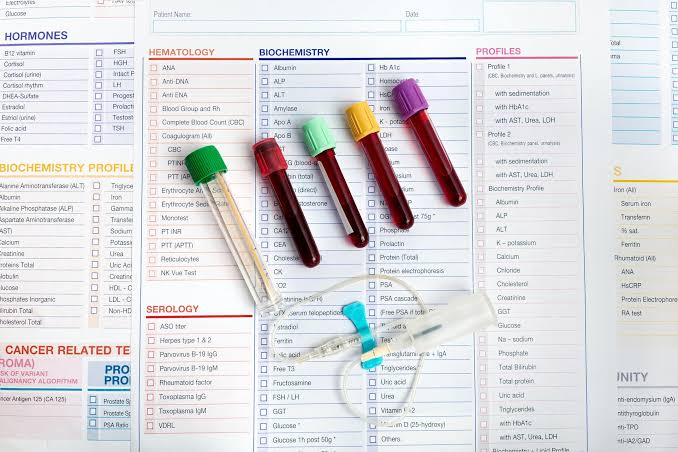
So, you’ve got that lab report in your hands, a cryptic mix of numbers, abbreviations, and reference ranges. It can feel overwhelming, like trying to decipher ancient runes. But what if you could unlock a deeper understanding of your own body, your fluctuating energy levels, your moods, and your overall well-being? For many, the key lies in understanding your blood work, specifically the markers that reveal the intricate dance of your hormones and other vital health indicators. This isn’t about becoming a medical expert overnight, but about empowering yourself with knowledge, so you can have more informed conversations with your doctor and take proactive steps towards optimal health.
Before you dive headfirst into deciphering specific hormone levels, it’s crucial to get a grip on the fundamental structure of your blood work report. Think of it as your personal health map. Most reports follow a consistent format, making it easier to locate the information you’re looking for. You’ll typically see the test name, followed by your result, and then a reference range. Understanding what each of these components signifies is your first step towards truly reading your blood work.
Deciphering the Columns: What Each Number Means
- Test Name: This is the straightforward label for the measurement taken. It could be something like “Total Testosterone,” “TSH (Thyroid-Stimulating Hormone),” “Estradiol,” or “CRP (C-Reactive Protein).” Familiarize yourself with these names, as they represent specific biological processes and substances within your body.
- Your Result: This is the quantitative measurement derived from your blood sample. It’s the actual value your body produced for that specific marker at the time of your test. This is the core piece of data you’ll be comparing against the established norms.
- Reference Range (or Normal Range): This is the crucial benchmark. It represents the typical range of values found in a healthy population for that particular test. It’s important to note that these ranges can vary slightly between laboratories due to differences in equipment and methodologies. Always refer to the reference range provided on your specific report.
- Units of Measurement: Pay close attention to the units. A result might be in nanograms per deciliter (ng/dL), picograms per milliliter (pg/mL), or milli-equivalents per liter (mEq/L). Understanding the units ensures you’re comparing apples to apples and not misinterpreting the magnitude of your results.
The Significance of the “Flag”: What Out-of-Range Means
Many lab reports will flag results that fall outside the reference range, often with an “H” (for High) or “L” (for Low). While this is a helpful visual cue, it’s essential to remember that a flagged result doesn’t automatically equate to a problem.
- Understanding Context is Key: A result that is slightly outside the range might be perfectly normal for you. Factors like your age, sex, time of day the blood was drawn, menstrual cycle phase (for women), stress levels, diet, and recent medications can all influence your hormone levels. For instance, certain hormones naturally fluctuate throughout the day or month.
- Don’t Panic, Consult: A flagged result is an invitation for discussion with your healthcare provider. They will interpret the result within the broader context of your health history, symptoms, and other lab findings. Self-diagnosing based solely on a flagged number can lead to unnecessary anxiety.
In addition to understanding how to read your blood work and track hormones and health markers, you may find it beneficial to explore the pros and cons of various supplements that can impact your fitness journey. A related article that delves into this topic is titled “Pros and Cons of Using Cardarine for Fitness.” This article provides insights into the potential benefits and risks associated with Cardarine, a compound often discussed in the context of performance enhancement. For more information, you can read the article here: Pros and Cons of Using Cardarine for Fitness.
The Hormonal Symphony: Key Players in Your Health
Hormones are chemical messengers that regulate a vast array of bodily functions, from metabolism and mood to reproduction and stress response. Imbalances can manifest in myriad ways, affecting your energy, sleep, weight, skin, and even your mental clarity. Tracking certain key hormones can provide invaluable insights into your overall health.
Thyroid Hormones: The Master Regulators of Metabolism
Your thyroid gland produces hormones that control your metabolism – how your body uses energy. Thyroid disorders are common and can significantly impact your well-being.
- TSH (Thyroid-Stimulating Hormone): This is often the first thyroid test ordered. TSH is produced by your pituitary gland and signals your thyroid to produce more thyroid hormones.
- High TSH: Can indicate hypothyroidism (underactive thyroid), meaning your thyroid isn’t producing enough thyroid hormones. Symptoms can include fatigue, weight gain, feeling cold, dry skin, and constipation.
- Low TSH: Can indicate hyperthyroidism (overactive thyroid), meaning your thyroid is producing too much thyroid hormone. Symptoms can include weight loss, rapid heartbeat, anxiety, tremors, and heat intolerance.
- Free T4 (Thyroxine): This is the primary hormone produced by your thyroid. “Free” means it’s not bound to proteins and is available for your body to use.
- Low Free T4 with High TSH: Strongly suggests hypothyroidism.
- High Free T4 with Low TSH: Strongly suggests hyperthyroidism.
- Free T3 (Triiodothyronine): This is the most active thyroid hormone, converted from T4 in your body.
- Assessing Free T3 provides a more complete picture of thyroid function, especially in cases where Free T4 might be borderline.
Sex Hormones: Orchestrating Reproduction and Beyond
Sex hormones play vital roles in sexual development, reproduction, bone health, muscle mass, mood, and cognitive function, extending far beyond reproductive age.
- Estrogen (Estradiol): While primarily associated with women, estrogen is also present in men and plays roles in bone health and brain function.
- In Women: Estradiol levels fluctuate significantly throughout the menstrual cycle and decline sharply after menopause, contributing to menopausal symptoms. Tracking estradiol can help diagnose menstrual irregularities, infertility, and diagnose and monitor menopause.
- In Men: Elevated estrogen levels can contribute to gynecomastia (breast enlargement) and other hormonal imbalances.
- Progesterone: Primarily known for its role in the menstrual cycle and pregnancy, progesterone also has calming and mood-regulating effects.
- In Women: Low progesterone can contribute to irregular periods, difficulty conceiving, and mood swings. High levels can sometimes be seen in early pregnancy.
- Testosterone: While often considered the “male” hormone, testosterone is crucial for both men and women.
- In Men: Testosterone influences muscle mass, bone density, libido, energy levels, and mood. Low testosterone (andropause) can lead to fatigue, decreased libido, weight gain, and depression.
- In Women: Testosterone contributes to libido, muscle mass, bone strength, and energy. Low levels can impact sexual desire and energy. High levels can be associated with conditions like Polycystic Ovary Syndrome (PCOS) and can lead to acne, hirsutism (excess hair growth), and irregular periods.
- Free Testosterone: This is the unbound, biologically active form of testosterone readily available for your body to use. It’s often a more accurate indicator of hormonal function than total testosterone.
Adrenal Hormones: Managing Your Stress Response
Your adrenal glands produce hormones that help your body manage stress, regulate blood pressure, and control blood sugar.
- Cortisol: Often referred to as the “stress hormone,” cortisol is released in response to stress. It plays a vital role in regulating blood sugar, metabolism, inflammation, and memory.
- Diurnal Rhythm: Cortisol levels naturally fluctuate throughout the day, being highest in the morning and lowest at night. This diurnal pattern is important for sleep-wake cycles and overall health.
- High Cortisol: Can be due to chronic stress, leading to symptoms like fatigue, weight gain (especially around the abdomen), anxiety, insomnia, and impaired immunity.
- Low Cortisol: Can indicate adrenal insufficiency (Addison’s disease), leading to fatigue, weakness, and a craving for salt.
Beyond Hormones: Crucial Health Markers to Track
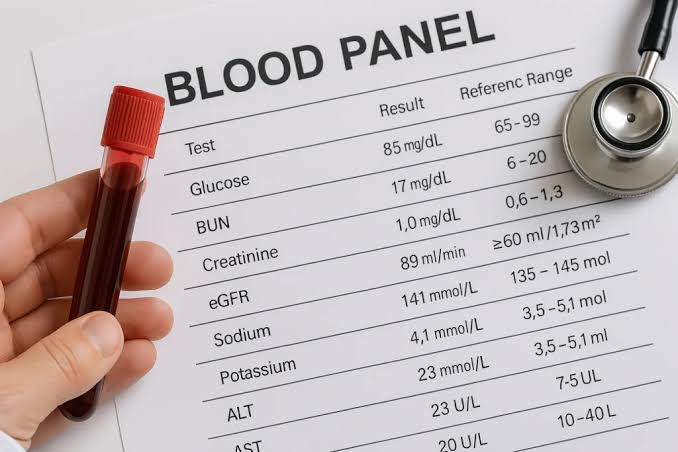
While hormones are powerful influencers, your blood work encompasses a broader spectrum of markers that provide essential insights into your overall health, including inflammation, blood sugar control, kidney and liver function, and nutrient levels.
Inflammation Markers: Uncovering the Silent Fire
Chronic inflammation is a root cause of many diseases, from heart disease and diabetes to autoimmune conditions and certain cancers. Tracking inflammatory markers can help you identify and address this silent threat.
- CRP (C-Reactive Protein): This is a protein produced by the liver in response to inflammation in the body. High-sensitivity CRP (hs-CRP) is a more precise measure for detecting low-grade chronic inflammation.
- High CRP: Indicates inflammation is present. It’s important to identify the underlying cause of the inflammation, which could range from infections and injuries to chronic conditions.
- ESR (Erythrocyte Sedimentation Rate): This test measures how quickly red blood cells settle to the bottom of a test tube. Inflammation causes red blood cells to clump together, settling faster.
- High ESR: Similar to CRP, indicates inflammation. It’s a less specific marker than CRP and can be influenced by other factors like anemia.
Blood Sugar Markers: Fueling Your Body Wisely
Your body’s ability to manage blood sugar is fundamental to energy levels, weight, and preventing chronic diseases like diabetes.
- Glucose (Fasting Blood Sugar): This measures the amount of sugar in your blood after an overnight fast.
- High Glucose: Can indicate prediabetes or diabetes, where your body either doesn’t produce enough insulin or can’t effectively use the insulin it produces.
- Low Glucose (Hypoglycemia): Can cause symptoms like dizziness, shakiness, and fatigue.
- HbA1c (Glycated Hemoglobin): This test provides an average of your blood sugar levels over the past 2-3 months. It’s a crucial indicator for diagnosing and managing diabetes.
- High HbA1c: Indicates consistently elevated blood sugar levels.
Organ Function Markers: Assessing Your Body’s Filtration and Processing Systems
These tests provide a snapshot of how well your vital organs, like your kidneys and liver, are functioning.
- Kidney Function Tests:
- BUN (Blood Urea Nitrogen): Measures the amount of urea nitrogen in your blood, a waste product excreted by the kidneys.
- Creatinine: Another waste product produced by muscles, filtered by the kidneys. Elevated levels can indicate impaired kidney function.
- eGFR (Estimated Glomerular Filtration Rate): This calculation estimates how well your kidneys are filtering waste products from your blood.
- Liver Function Tests (LFTs): These tests assess the health and function of your liver.
- ALT (Alanine Aminotransferase) and AST (Aspartate Aminotransferase): Enzymes found primarily in the liver. Elevated levels can indicate liver damage.
- Bilirubin: A waste product from the breakdown of red blood cells, processed by the liver. High levels can indicate liver or bile duct problems.
Understanding Specific Tests: Diving Deeper into Your Results

Once you have a grasp of the general categories, you can begin to focus on specific tests that might be relevant to your concerns. Remember, this is for informational purposes, and a healthcare professional is your ultimate guide.
For Women: Navigating Reproductive Hormones and More
Women’s hormonal health is a complex and often fluctuating landscape. Understanding these markers can shed light on menstrual cycles, fertility, and menopausal transitions.
- Estradiol: As mentioned earlier, crucial for tracking menstrual cycles and menopause.
- Progesterone: Can be tested at specific points in the menstrual cycle to assess ovulation and the luteal phase. A mid-luteal phase progesterone test is common.
- FSH (Follicle-Stimulating Hormone): In women, FSH stimulates the ovaries to produce eggs. High FSH levels can indicate declining ovarian function or menopause.
- LH (Luteinizing Hormone): LH triggers ovulation. Tracking LH can be useful for fertility assessments.
- AMH (Anti-Müllerian Hormone): This hormone is produced by developing egg follicles and is a good indicator of ovarian reserve (the number of eggs remaining).
- Prolactin: This hormone stimulates milk production. Elevated prolactin levels can interfere with ovulation and menstrual cycles, and can be caused by pituitary tumors or certain medications.
For Men: Key Markers for Vitality and Well-being
Men’s hormonal health is also dynamic and influences energy, mood, sexual function, and overall vitality.
- Testosterone (Total and Free): As detailed previously, essential for energy, libido, and overall well-being.
- SHBG (Sex Hormone-Binding Globulin): This protein binds to sex hormones like testosterone and estrogen, making them less available to the body. High SHBG can lead to lower free testosterone levels, even if total testosterone is within range.
- PSA (Prostate-Specific Antigen): A protein produced by the prostate gland. Elevated PSA can be an indicator of prostate issues, including enlargement or cancer. This is a screening test and requires further investigation if elevated.
Understanding your blood work is crucial for monitoring your overall health, and if you’re looking to dive deeper into the specifics of hormone levels and health markers, you might find it helpful to explore a related article that compares different health supplements and their effects on hormone balance. This can provide valuable insights into how various products might influence your blood work results. For more information, check out this comparison article that can guide you in making informed decisions about your health.
Putting It All Together: Towards Proactive Health Management
| Health Marker | Normal Range | Significance |
|---|---|---|
| Cholesterol | Less than 200 mg/dL | High levels may increase risk of heart disease |
| Glucose | 70-99 mg/dL | Elevated levels may indicate diabetes or prediabetes |
| Thyroid Stimulating Hormone (TSH) | 0.4-4.0 mU/L | Abnormal levels may indicate thyroid dysfunction |
| Testosterone | 300-1000 ng/dL (men) | Low levels may lead to decreased libido and muscle mass |
| Estrogen | 30-400 pg/mL (women) | Imbalance may lead to menstrual irregularities and fertility issues |
Reading your blood work is not about becoming a diagnostician, but about becoming an engaged participant in your own healthcare. It’s about building a partnership with your doctor based on shared understanding and informed decision-making.
Scheduling and Preparation: Maximizing Your Test Accuracy
The timing and preparation for your blood work can significantly impact the accuracy of your results.
- Fasting Requirements: Many tests, particularly those related to blood sugar and lipids (cholesterol), require you to fast for 8-12 hours beforehand. This means no food or drink, except water.
- Time of Day: For hormones like cortisol and testosterone, the time of day your blood is drawn matters due to their natural diurnal rhythms. Typically, morning draws are preferred. Always ask your doctor or the lab if there are specific timing instructions.
- Medications and Supplements: Inform your doctor about all medications, vitamins, and supplements you are taking. Some can interfere with test results.
- Hydration: While fasting, it’s important to stay hydrated by drinking plenty of water.
Communicating with Your Doctor: Asking the Right Questions
Your doctor is your most valuable resource when it comes to interpreting your blood work. Don’t hesitate to ask questions.
- “What do these results mean in the context of my symptoms?” This is the most important question. A number out of range might be inconsequential for one person but a significant indicator for another.
- “Are there any trends I should be aware of over time?” Tracking your blood work over multiple tests can reveal important patterns and changes.
- “What are the next steps, if any?” Based on your results, your doctor might recommend further testing, lifestyle modifications, or treatment.
- “Are there lifestyle changes that could improve these markers?” Diet, exercise, sleep, and stress management can all profoundly impact your blood work.
Lifestyle Modifications: Empowering Your Health Journey
Understanding your blood work often leads to actionable insights for improving your health.
- Dietary Adjustments: For example, if your blood sugar is elevated, your doctor might recommend reducing sugar intake and increasing fiber. If inflammatory markers are high, an anti-inflammatory diet might be suggested.
- Exercise Regimen: Regular physical activity can positively impact hormone levels, blood sugar, and cholesterol.
- Sleep Hygiene: Poor sleep can disrupt hormone production and negatively affect overall health.
- Stress Management Techniques: Chronic stress can wreak havoc on your endocrine system. Implementing stress-reducing practices like meditation, yoga, or deep breathing can be beneficial.
By taking the time to understand your blood work – the hormones, the markers, and the context – you are not just “reading” a report; you are gaining a powerful tool for navigating your own health. You are becoming an informed advocate for yourself, capable of having more meaningful conversations with your healthcare provider and making empowered choices that lead to a healthier, more vibrant you. Remember, knowledge is power, and in the realm of your own body, that power can be truly transformative.
FAQs
What is blood work and why is it important?
Blood work, also known as a blood test, is a laboratory analysis of a sample of your blood. It is an important tool for healthcare providers to assess your overall health, diagnose medical conditions, and monitor the effectiveness of treatments.
What hormones and health markers can be tracked through blood work?
Blood work can track a wide range of hormones and health markers, including but not limited to thyroid hormones, insulin, cortisol, cholesterol levels, liver function, kidney function, and blood cell counts.
How often should blood work be done to track hormones and health markers?
The frequency of blood work to track hormones and health markers depends on individual health needs and risk factors. Generally, it is recommended to have blood work done at least once a year for routine check-ups, but it may be more frequent for individuals with specific health concerns or conditions.
What are some common reasons for abnormal hormone and health marker levels in blood work?
Abnormal hormone and health marker levels in blood work can be caused by various factors, including hormonal imbalances, medication side effects, underlying medical conditions, lifestyle factors (such as diet and exercise), and genetic predispositions.
How can I interpret the results of my blood work to understand my hormone and health marker levels?
It is important to consult with a healthcare provider, such as a doctor or a registered dietitian, to interpret the results of your blood work. They can provide personalized guidance and recommendations based on your individual health status and goals.