
10 Best Supplements for Natural Testosterone Support


Feeling that dip in energy, a slowdown in your workouts, or perhaps a waning spark in your libido? You’re not imagining things. As men age, a natural decline in testosterone can lead to a host of unwelcome changes. While synthetic hormone replacement therapy exists, many men are keen to explore natural avenues to support their bodies’ own testosterone production. This article delves into the top ten supplements that can help you reclaim your vitality and optimize your hormonal balance.
Before we dive into the supplements, it’s crucial to grasp what testosterone is and why it matters so much. Testosterone isn’t just about sex drive; it’s a foundational hormone that impacts almost every aspect of your well-being.
What Exactly Is Testosterone?
Testosterone is the primary male sex hormone, an androgen produced predominantly in the testes. Women also produce testosterone, but in much smaller quantities. It plays a pivotal role in the development of male reproductive tissues such as the testes and prostate, and it promotes secondary sexual characteristics like increased muscle and bone mass, and the growth of body hair. Beyond the obvious, testosterone is a vital player in your overall health.
The Multifaceted Role of Testosterone in Your Body
Think of testosterone as a key conductor for a vast orchestra of bodily functions. Its influence stretches far beyond the bedroom.
- Muscle Growth and Strength: Testosterone is anabolic, meaning it promotes protein synthesis, which is essential for building and maintaining muscle mass. Low T can make it challenging to gain or even retain your hard-earned muscle.
- Bone Density: This hormone contributes significantly to bone mineral density. A decline can increase your risk of osteoporosis and fractures.
- Energy Levels and Metabolism: Testosterone impacts your metabolism and energy production. You might notice a persistent fatigue or difficulty managing your weight if your levels are suboptimal.
- Mood and Cognitive Function: It has a noticeable effect on your mood, cognitive sharpness, and overall sense of well-being. Irritability, lack of focus, and even symptoms of depression can be linked to low T.
- Red Blood Cell Production: Testosterone stimulates erythropoiesis, the production of red blood cells, which carry oxygen throughout your body.
- Libido and Sexual Function: Of course, its most well-known role is in maintaining a healthy sex drive and erectile function.
Signs of Low Testosterone
How do you know if your testosterone levels might be on the decline? The symptoms can be subtle and often mimic other conditions, making a diagnosis challenging without professional medical consultation and blood tests.
- Decreased Libido: A noticeable drop in your interest in sex.
- Erectile Dysfunction: Difficulty achieving or maintaining an erection.
- Fatigue: Persistent tiredness despite adequate sleep.
- Loss of Muscle Mass and Strength: Difficulty gaining muscle, or a noticeable decrease in your strength.
- Increased Body Fat: Especially around the waistline, sometimes referred to as “man boobs” (gynecomastia).
- Decreased Bone Density: Bones becoming more brittle.
- Mood Swings and Irritability: Feeling more easily frustrated or down.
- Poor Concentration and Memory: Mental fog or difficulty focusing.
- Hair Loss: Sometimes accompanied by other thinning hair.
- Reduced Semen Volume: A noticeable decrease during ejaculation.
If you suspect low testosterone, consulting with a doctor is always recommended to get a proper diagnosis and discuss appropriate treatment options. Natural supplements should always be seen as complementary, not a replacement for professional medical advice.
If you’re looking to enhance your testosterone levels naturally, you might also be interested in exploring the benefits of human growth hormone (HGH) supplements. For more information on this topic, check out the article on the best places to buy HGH online, which provides insights into reputable sources and products. You can read it here: Best Place to Buy HGH Online.
Understanding Your Supplement Choices: Key Considerations
Before you start popping pills, it’s wise to approach supplementation with a strategic mindset. Your body is a complex system, and introducing new substances should be done thoughtfully.
Quality Over Quantity: The Purity of Ingredients
Not all supplements are created equal. The market is saturated, and unfortunately, not every product delivers on its promises.
- Third-Party Testing: Look for supplements that have been third-party tested. This means an independent lab verifies the product’s contents, ensuring it contains what it claims and is free from harmful contaminants. Certifications like NSF, GMP, or USP are good indicators.
- Bioavailability: The effectiveness of a supplement isn’t just about how much of an ingredient it contains, but how well your body can absorb and utilize it. Some forms of vitamins and minerals are more bioavailable than others (e.g., magnesium citrate vs. magnesium oxide).
- Filler-Free Formulas: Avoid products packed with unnecessary fillers, artificial colors, or sweeteners. Opt for clean, transparent formulas.
Dosage and Timing: Maximizing Efficacy
The right supplement in the wrong dose or at the wrong time might not yield the desired results.
- Follow Manufacturer Guidelines: Always adhere to the recommended dosage instructions provided by the manufacturer. More isn’t always better and can sometimes be detrimental.
- Consult a Professional: If you’re unsure about dosage, especially when combining multiple supplements, discuss it with a healthcare provider or a registered dietitian.
- Consistency is Key: Many natural supplements don’t offer immediate results. You’ll need to take them consistently for weeks or even months to notice a significant difference.
Potential Interactions and Side Effects
Even natural supplements can interact with medications or cause side effects.
- Medication Interactions: If you are taking any prescription medications (e.g., blood thinners, blood pressure medication, antidepressants), always consult your doctor before introducing new supplements.
- Allergies and Sensitivities: Be aware of any allergies or sensitivities you might have to specific ingredients.
- Common Side Effects: While generally mild for many natural supplements, some people might experience digestive upset, headaches, or other minor issues. Start with a lower dose to assess your tolerance.
Top 10 Natural Supplements for Testosterone Support
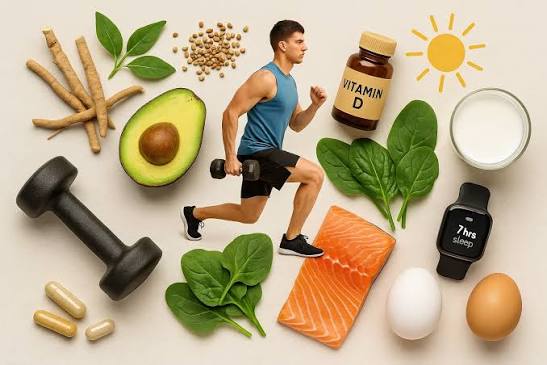
Now, let’s explore the specific supplements that have garnered scientific attention and anecdotal evidence for their role in supporting natural testosterone production.
1. Vitamin D
Often called the “sunshine vitamin,” Vitamin D is far more than just beneficial for bone health. It plays a crucial role in numerous bodily functions, including hormone regulation.
- Mechanism of Action: Vitamin D acts as a steroid hormone itself and has receptors in the testes, suggesting a direct role in testosterone synthesis. Studies have shown a correlation between higher Vitamin D levels and increased testosterone.
- Sources: Sunlight exposure is the primary natural source. Dietary sources include fatty fish (salmon, mackerel), fortified milk, and egg yolks. However, many people, especially those in less sunny climates or with indoor lifestyles, are deficient.
- Recommended Dosage: Optimal ranges typically fall between 2,000-5,000 IU daily, but a blood test can help determine your specific needs.
- Considerations: Always choose Vitamin D3 (cholecalciferol) as it’s the most bioavailable form. Take it with a meal containing fats to enhance absorption.
2. Zinc
This essential trace mineral is a powerhouse for health, critically involved in over 300 enzymatic reactions in your body, many of which are linked to hormone production.
- Mechanism of Action: Zinc is essential for the production of luteinizing hormone (LH), which signals the testes to produce testosterone. Deficiency in zinc can lead to reduced testosterone levels, and supplementation has been shown to restore levels in deficient individuals.
- Sources: Red meat, poultry, seafood (especially oysters), beans, nuts, and whole grains.
- Recommended Dosage: Typically 15-30 mg per day.
- Considerations: Excessive zinc intake can interfere with copper absorption, so it’s important not to overdo it. Look for zinc forms like zinc picolinate, gluconate, or citrate for better absorption.
3. Magnesium
Another vital mineral, magnesium is involved in regulating muscle and nerve function, blood sugar levels, blood pressure, and crucially, hormone production.
- Mechanism of Action: Magnesium frees up more “free” testosterone by reducing the amount of testosterone bound to sex hormone-binding globulin (SHBG). SHBG binds to testosterone, making it inactive. By reducing SHBG, more bioavailable testosterone becomes available to your body.
- Sources: Leafy green vegetables, nuts, seeds, legumes, whole grains, and dark chocolate.
- Recommended Dosage: Approximately 200-400 mg daily.
- Considerations: Many people are deficient in magnesium. Magnesium citrate or bisglycinate are well-absorbed forms and less likely to cause digestive upset than magnesium oxide.
4. D-Aspartic Acid (DAA)
DAA is an amino acid that plays a role in the synthesis and release of hormones in the brain, including luteinizing hormone (LH) and growth hormone.
- Mechanism of Action: Research suggests DAA may stimulate the release of LH from the pituitary gland, which then signals the Leydig cells in the testes to produce more testosterone.
- Sources: Found naturally in protein-rich foods, but supplementation allows for higher, targeted doses.
- Recommended Dosage: Common dosages range from 2,000-3,000 mg per day.
- Considerations: While some studies show promising results in men with lower testosterone, its effects on men with already healthy testosterone levels can be less pronounced or even insignificant. It may also cycle in effectiveness, meaning taking breaks from it could be beneficial.
5. Ashwagandha (Withania somnifera)
This ancient adaptogenic herb from Ayurvedic medicine is renowned for its stress-reducing properties, but its benefits extend to hormone health.
- Mechanism of Action: Ashwagandha helps reduce cortisol, the stress hormone. High cortisol levels can suppress testosterone production. By reducing stress, Ashwagandha creates a more favorable hormonal environment for testosterone. It has also been shown to improve sperm quality and serum testosterone levels in some studies.
- Sources: An herb, typically consumed as a powdered extract.
- Recommended Dosage: Usually 300-600 mg of root extract daily, standardized for withanolides.
- Considerations: Choose a high-quality extract with a standardized percentage of active compounds (withanolides). It can take several weeks to notice the full effects.
6. Fenugreek (Trigonella foenum-graecum)
A popular culinary herb, Fenugreek has also gained attention for its potential benefits in male health.
- Mechanism of Action: Fenugreek contains compounds called furostanolic saponins, which are believed to play a role in testosterone metabolism. Some research suggests it can inhibit the conversion of testosterone into other compounds, thereby increasing free testosterone.
- Sources: A culinary herb, but for testosterone support, it’s typically taken as a concentrated extract.
- Recommended Dosage: Extracts are usually standardized and taken in doses of 500-600 mg daily.
- Considerations: Fenugreek can sometimes cause mild digestive upset or a maple syrup-like odor in sweat or urine. Look for standardized extracts.
7. Boron
An under-the-radar element, boron is a trace mineral that has been linked to various physiological processes, including bone health and hormone regulation.
- Mechanism of Action: Boron appears to influence levels of both total and free testosterone by reducing SHBG. It may also decrease estrogen and inflammation.
- Sources: Fruits, vegetables, nuts, and legumes.
- Recommended Dosage: Typically 3-10 mg per day.
- Considerations: While initial studies are promising, more large-scale research is needed to fully understand boron’s impact on testosterone.
8. Shilajit
A sticky, tar-like substance found primarily in the Himalayas, Shilajit is rich in fulvic acid and more than 80 minerals. It has been used for centuries in Ayurvedic medicine to enhance vitality and potency.
- Mechanism of Action: Shilajit is thought to enhance mitochondrial function, leading to increased energy production, and its fulvic acid content may help in nutrient absorption and detoxification, indirectly supporting hormonal health. Some studies specifically show it can increase total and free testosterone levels.
- Sources: Found in mountainous regions, consumed as a purified resin or powder extract.
- Recommended Dosage: Usually 200-500 mg daily.
- Considerations: Ensure you source high-quality, purified shilajit from a reputable supplier, as raw shilajit can contain contaminants.
9. Tongkat Ali (Eurycoma longifolia Jack)
Also known as Longjack, Tongkat Ali is a potent herb native to Southeast Asia, traditionally used as an aphrodisiac and vitality booster.
- Mechanism of Action: Tongkat Ali is believed to increase testosterone by stimulating the Leydig cells in the testes and potentially by inhibiting the aromatase enzyme, which converts testosterone to estrogen. It also reduces cortisol levels, which can indirectly boost testosterone.
- Sources: An herbal extract.
- Recommended Dosage: Extracts are usually standardized and taken in doses of 200-400 mg daily.
- Considerations: Look for standardized extracts (e.g., 100:1 extract) for potency. Some individuals might experience restlessness or insomnia, especially if taken too late in the day.
10. Dehydroepiandrosterone (DHEA)
DHEA is a steroid hormone produced by your adrenal glands, a precursor to both testosterone and estrogen.
- Mechanism of Action: As a precursor, DHEA can be converted by the body into testosterone. Its levels naturally decline with age, making supplementation a consideration for some.
- Sources: Produced endogenously, not typically found in foods.
- Recommended Dosage: Typically 25-50 mg daily, but highly individualized.
- Considerations: DHEA supplementation is more direct in its hormonal action and should be approached with greater caution. Because it’s a precursor to other hormones, supplementing with DHEA can impact other hormonal pathways. It’s crucial to consult a doctor and monitor hormone levels (DHEA, testosterone, and estrogen) when considering DHEA supplementation, as imbalances can occur. This is not a “stack and forget” supplement.
Lifestyle Factors: The Foundation of Hormonal Health
While supplements can be powerful allies, they are most effective when built upon a bedrock of healthy lifestyle choices. Think of supplements as amplifiers, not substitutes, for fundamental well-being.
The Power of Diet
What you eat (or don’t eat) profoundly impacts your hormonal landscape.
- Prioritize Whole Foods: Focus on a diet rich in whole, unprocessed foods. Lean proteins, diverse vegetables, fruits, healthy fats, and complex carbohydrates provide the necessary building blocks and micronutrients for optimal hormone production and overall health.
- Include Healthy Fats: Don’t shy away from healthy fats. Sources like avocados, nuts, seeds, olive oil, and fatty fish (rich in Omega-3s) are crucial for cholesterol synthesis, which is a precursor to testosterone.
- Limit Processed Foods and Sugar: These can lead to inflammation, insulin resistance, and weight gain, all of which can negatively impact testosterone levels.
- Hydration: Adequate water intake is essential for all bodily functions, including hormone transport and cellular health.
Exercise for Hormonal Optimization
Physical activity is a potent natural testosterone booster.
- Resistance Training: This is perhaps the most effective exercise for stimulating testosterone. Focus on compound movements (squats, deadlifts, bench presses, rows) that engage large muscle groups.
- High-Intensity Interval Training (HIIT): Short bursts of intense exercise followed by brief recovery periods can also effectively boost testosterone.
- Avoid Overtraining: While exercise is good, excessive or prolonged cardio without adequate recovery can actually stress your body and potentially lower testosterone. Listen to your body and ensure sufficient rest.
The Importance of Quality Sleep
Sleep deprivation is a silent assassin of testosterone.
- Aim for 7-9 Hours: Consistent, high-quality sleep is crucial. Most testosterone is produced during deep sleep phases.
- Establish a Routine: Go to bed and wake up around the same time each day, even on weekends, to regulate your circadian rhythm.
- Optimize Your Sleep Environment: Make your bedroom dark, quiet, and cool. Avoid screens before bed.
Stress Management Techniques
Chronic stress is a major enemy of healthy testosterone levels.
- Cortisol Connection: When you’re stressed, your body releases cortisol. High cortisol levels often inversely correlate with testosterone, meaning as cortisol goes up, testosterone tends to go down.
- Mindfulness and Meditation: Practices like meditation, deep breathing exercises, and yoga can significantly reduce stress and lower cortisol.
- Hobbies and Relaxation: Engage in activities you enjoy to unwind and de-stress. Spending time in nature, reading, or creative pursuits can all contribute to a calmer state.
For those looking to enhance their testosterone levels naturally, exploring various supplements can be beneficial. A related article that provides valuable insights on purchasing testosterone safely is available at this link. It discusses important considerations and tips for buying testosterone from Canada, ensuring you make informed decisions while prioritizing your health.
Final Thoughts and Your Next Steps
| Supplement | Benefits | Recommended Dosage |
|---|---|---|
| Tribulus Terrestris | Enhances libido and muscle mass | 250-750mg per day |
| D-Aspartic Acid | Increases testosterone production | 2-3g per day |
| Fenugreek | Improves sexual function and energy levels | 500-600mg per day |
| Zinc | Supports healthy testosterone levels | 30-50mg per day |
| Vitamin D | Regulates testosterone levels | 1000-4000IU per day |
| Ashwagandha | Reduces stress and cortisol levels | 300-500mg per day |
| Magnesium | Enhances exercise performance and testosterone levels | 200-400mg per day |
| Boron | Supports free testosterone levels | 3-10mg per day |
| Ginger Extract | Improves sperm health and testosterone levels | 100-200mg per day |
| DHEA | Supports testosterone production | 25-50mg per day |
Embarking on a journey to support your natural testosterone levels is an investment in your overall health and well-being. Remember that there’s no magic bullet, but a comprehensive approach combining targeted supplementation with a healthy lifestyle offers the best chance for success.
Consult Your Doctor
Before starting any new supplement regimen, especially if you have underlying health conditions or are taking medications, it is paramount to consult with your physician. They can help assess your current testosterone levels, rule out other medical issues, and provide personalized guidance. They can also help you understand potential interactions or contraindications.
Be Patient and Consistent
Natural supplements and lifestyle changes take time to yield results. Don’t expect overnight miracles. Commit to a consistent routine for several weeks or months before evaluating the impact. Track your symptoms and energy levels to monitor progress.
By taking a proactive and informed approach, you can harness the power of these natural supplements and lifestyle factors to optimize your testosterone levels, reclaim your vitality, and enhance your quality of life. Your body has an incredible capacity for healing and balance; sometimes it just needs a little strategic support.
FAQs
What are the best supplements for natural testosterone support?
The 10 best supplements for natural testosterone support include D-Aspartic Acid, Vitamin D, Tribulus Terrestris, Fenugreek, Ashwagandha, Ginger Extract, DHEA, Zinc, Magnesium, and Boron.
How do these supplements support natural testosterone levels?
These supplements support natural testosterone levels by either directly stimulating testosterone production, inhibiting the conversion of testosterone to estrogen, or supporting overall hormonal balance in the body.
Are there any potential side effects of taking these supplements?
While these supplements are generally considered safe for most people, some individuals may experience side effects such as digestive issues, headaches, or changes in mood. It’s important to consult with a healthcare professional before starting any new supplement regimen.
What is the recommended dosage for these supplements?
The recommended dosage for these supplements can vary depending on individual factors such as age, weight, and overall health. It’s important to follow the dosage instructions on the product label or consult with a healthcare professional for personalized recommendations.
Are there any lifestyle changes that can also support natural testosterone levels?
In addition to taking supplements, lifestyle changes such as regular exercise, adequate sleep, stress management, and a balanced diet rich in nutrients can also support natural testosterone levels.