
The Beginner’s Guide to Peptide Stacking in 2026

Welcome to 2026, and welcome to the exciting, and frankly, game-changing world of peptide stacking. If you’re eyeing those performance goals, whether it’s shedding stubborn fat, packing on lean muscle, or simply feeling more vital and recovered, you’ve likely stumbled upon the term “peptide stacking.” It sounds complex, maybe even a little intimidating, but by the time you finish this guide, you’ll have a solid grasp of what it is, why it’s done, and how to approach it intelligently and safely. You’re not just experimenting; you’re strategically combining multiple peptides to unlock synergistic effects that a single peptide alone can’t achieve. Think of it as building a finely tuned orchestra of biological messengers, each playing its part to create a powerful symphony of results.
Understanding the Fundamentals: What are Peptides and Why Stack Them?
Before diving into the art of combination, let’s lay the groundwork. You need to understand the basic building blocks.
What Exactly Are Peptides?
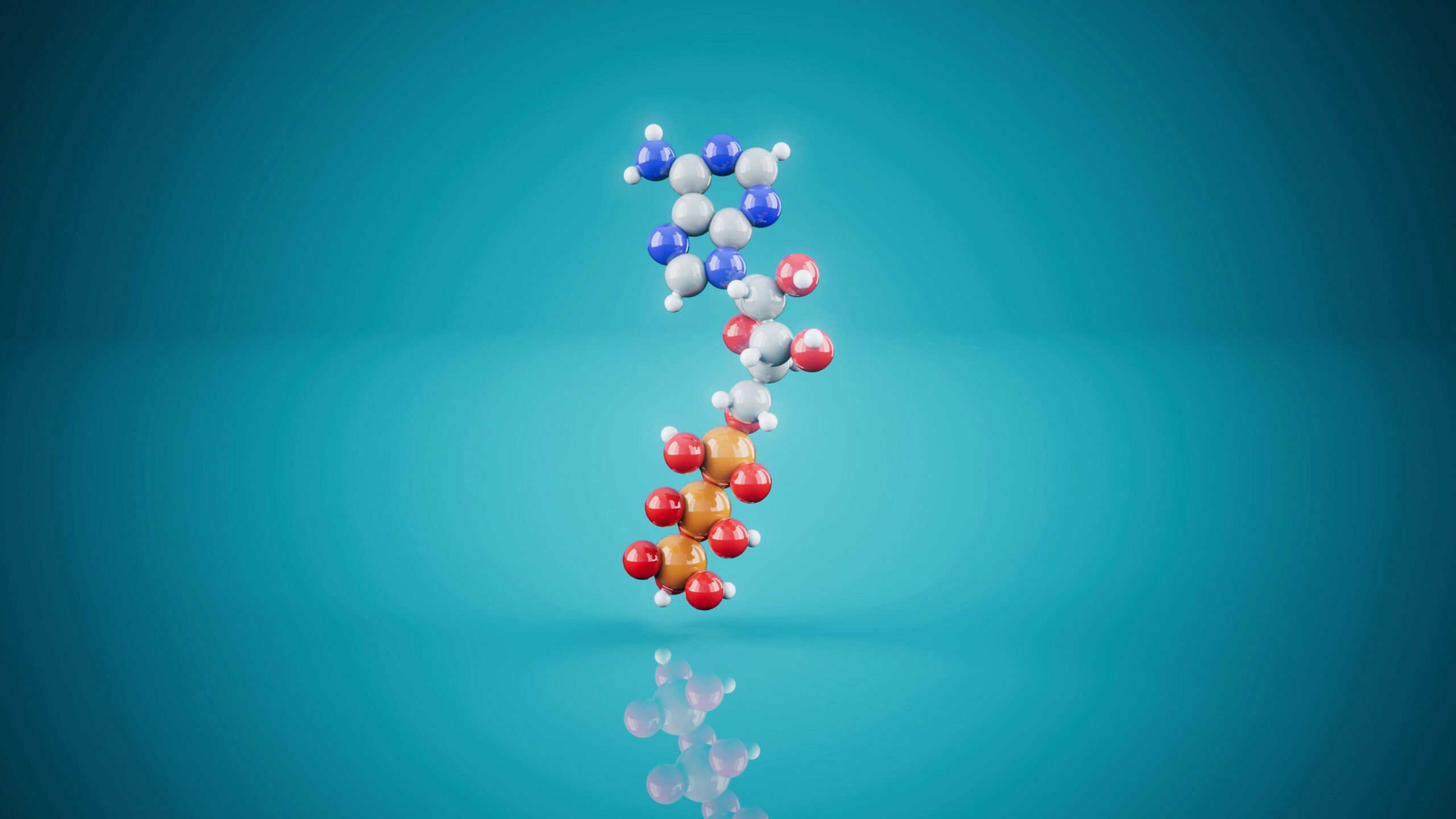
Peptides are short chains of amino acids, the fundamental units of proteins. They’re essentially smaller, more specialized versions of proteins. Think of amino acids as individual Lego bricks, and peptides as small, pre-assembled structures made from those bricks. This structural difference is significant. While proteins are often large and complex, performing a vast array of functions, peptides are typically simpler and act as signalling molecules. They communicate messages throughout your body, influencing a wide range of physiological processes.
The Crucial Role of Signalling
Peptides are like the body’s internal messengers. Insulin, for example, is a peptide hormone that regulates blood sugar. Growth Hormone Releasing Peptide (GHRP) and Growth Hormone Releasing Hormone (GHRH) are peptides that, as their names suggest, stimulate the release of growth hormone. This signalling capability is precisely what makes them attractive for performance enhancement and therapeutic purposes. By mimicking or influencing these natural signals, you can nudge your body towards desired outcomes.
Amino Acid Chains: Size Matters
The length of the amino acid chain determines whether something is generally classified as a peptide or a protein. Peptides are typically considered to have between 2 and 50 amino acids. Anything longer is usually classified as a protein. This distinction is important because it impacts how these molecules interact with your cells and biological systems. Shorter chains can often penetrate cell membranes more easily and have more targeted effects.
The Philosophy Behind Peptide Stacking
So, if one peptide can send an important message, why would you want to send multiple messages at once? The answer lies in synergy.
Synergy: 1 + 1 > 2
This is the core principle of peptide stacking. Instead of just adding the effects of individual peptides, you’re aiming for a combined effect that is greater than the sum of their parts. Imagine trying to build more muscle. You might use a peptide that stimulates growth hormone release. Another peptide might help with nutrient partitioning, ensuring that the growth hormone you release directs nutrients towards muscle tissue rather than fat. A third might aid in recovery, allowing you to train more frequently and intensely. Together, these peptides work in concert to accelerate muscle growth far more effectively than any single one could. You’re not just getting a boost in one area; you’re creating a cascading effect that enhances multiple aspects of your training goals.
Targeting Multiple Pathways
Your body is a complex system with interconnected pathways. A single peptide might target one specific pathway. However, many desired outcomes, like substantial muscle gain or significant fat loss, involve multiple physiological processes. Peptide stacking allows you to address these interconnected pathways simultaneously. You can use one peptide to increase your metabolism, another to enhance insulin sensitivity, and a third to promote muscle protein synthesis. By hitting these different but related pathways, you create a more robust and comprehensive response.
Overcoming Limitations
Sometimes, a single peptide might have limitations in its efficacy or might produce unwanted side effects if used at high doses. Stacking can allow you to use lower, more manageable doses of multiple peptides, which can potentially reduce side effects while still achieving your desired outcome through their combined action. It’s a more nuanced approach, aiming for optimal efficacy with minimized risk.
For those interested in expanding their knowledge on peptide stacking, a related article titled “Anabol’s Legacy: Effects, Usage, and Safe Alternatives” provides valuable insights into the long-term impacts of anabolic substances and their alternatives. This resource can help beginners understand the broader context of peptide use and safety considerations. You can read the article here: Anabol’s Legacy: Effects, Usage, and Safe Alternatives.
Essential Peptides for Beginners: Your Starting Grid
If you’re new to this, starting broad might seem overwhelming. So, let’s focus on some commonly used and relatively well-understood peptides that can serve as excellent building blocks for your first stacks. These are generally considered to be among the safer and more predictable options.
Growth Hormone Releasing Peptides (GHRPs)
GHRPs are the vanguard of many peptide stacks. Their primary function is to stimulate the pituitary gland to release growth hormone.
GHRP-2: The Workhorse
GHRP-2 is a popular choice due to its efficacy and relatively straightforward action. It directly stimulates ghrelin receptors in the hypothalamus, which is a key signal for growth hormone release.
- Primary Benefits: Increased appetite, enhanced muscle growth, improved fat loss, better sleep quality, and faster recovery.
- Common Stacking Pairs: Often stacked with GHRH to amplify growth hormone release significantly.
- Considerations: Can cause a noticeable increase in appetite and a temporary dip in blood sugar.
Ipamorelin: The Gentler Giant
Ipamorelin is another effective GHRP, but it’s often considered to be milder and less likely to cause significant blood sugar fluctuations or appetite increases compared to GHRP-2. It’s more selective in its action.
- Primary Benefits: Gradual and sustained increase in growth hormone, promoting lean muscle mass, fat reduction, and improved skin health.
- Common Stacking Pairs: Excellent partner for GHRH, providing a more controlled release of GH. Also pairs well with CJC-1295 without DAC.
- Considerations: Generally well-tolerated, with fewer gastrointestinal side effects.
Growth Hormone Releasing Hormones (GHRHs)
GHRHs work in conjunction with GHRPs to maximize growth hormone release. They stimulate the pituitary gland directly.
CJC-1295 without DAC: The Stable Signal
This version of CJC-1295 lacks the Drug Affinity Complex (DAC), which gives it a shorter half-life. This means you’ll likely need more frequent injections, but it also offers more control over GH pulses.
- Primary Benefits: Stimulates pulsatile release of growth hormone, leading to increased IGF-1 levels, which drive muscle growth and fat loss.
- Common Stacking Pairs: Ideal partner for GHRPs like Ipamorelin or GHRP-2.
- Considerations: Shorter half-life requires more frequent administration.
Mod GRF 1-29 (CJC-1295 without DAC): The Classic Combo Starter
This is essentially the same peptide as CJC-1295 without DAC. It’s a fragment of GHRH that is highly effective.
- Primary Benefits: Potent stimulator of GH release, leading to increased lean mass, reduced body fat, and improved recovery.
- Common Stacking Pairs: Classic pairing is with GHRP-2 or Ipamorelin for a synergistic GH boost.
- Considerations: Need to be mindful of suppression of natural GH release with prolonged use at high doses.
Building Your First Stack: Common Beginner Combinations
Now that you have a few key players, let’s look at how they can be combined for common goals. These are starting points, and you’ll learn to adjust them as you gain experience.
The “Lean & Strong” Stack: Fat Loss and Muscle Preservation
This is a popular goal for many. You want to shed fat while holding onto, or even building, lean muscle mass.
GHRP-2 + Mod GRF 1-29: The Classic Duo
This is perhaps the most common and highly recommended beginner stack. The GHRP-2 stimulates ghrelin receptors to release GH, and Mod GRF 1-29 amplifies this release by stimulating the pituitary directly.
- Mechanism: Synergistically maximizes GH and IGF-1 production. GH promotes lipolysis (fat breakdown), while IGF-1 supports muscle protein synthesis and nutrient partitioning.
- Typical Dosing:
- GHRP-2: 100-200 mcg, 2-3 times per day, taken on an empty stomach (before meals or workouts).
- Mod GRF 1-29: 100 mcg, 1-2 times per day, typically paired with GHRP injections.
- Injection Timing: Often administered pre-workout or before bed to leverage natural GH release patterns and potentially enhance overnight recovery.
- Expected Results: Increased fat oxidation, improved muscle definition, enhanced recovery, and potential improvements in sleep.
- Important Notes: Be aware of the appetite increase from GHRP-2. Some users experience nocturnal awakenings.
Ipamorelin + Mod GRF 1-29: The Milder Approach
For those who want a similar effect but are more sensitive to the appetite stimulation of GHRP-2, Ipamorelin is a great alternative.
- Mechanism: Similar synergistic GH and IGF-1 increase as the previous stack, but with a gentler impact on appetite and blood sugar.
- Typical Dosing:
- Ipamorelin: 100-200 mcg, 2-3 times per day, ideally on an empty stomach.
- Mod GRF 1-29: 100 mcg, 1-2 times per day, administered with the Ipamorelin.
- Injection Timing: Similar to the GHRP-2 stack, focusing on pre-workout and pre-bed.
- Expected Results: Lean muscle gain, fat reduction, improved recovery, and better sleep without significant appetite spurts.
- Important Notes: This option is often preferred for its cleaner profile.
The “Recovery Warrior” Stack: Enhanced Healing and Reduced Fatigue
If your primary goal is to bounce back faster from intense training, reduce muscle soreness, and improve overall resilience, this stack is for you.
TB-500 + BPC-157: The Dynamic Duo for Healing
These two peptides have gained significant traction for their remarkable regenerative properties. They work on different but complementary aspects of tissue repair.
- Mechanism:
- TB-500 (Thymosin Beta-4): Promotes cell migration, important for tissue repair and reducing inflammation. It can increase the availability of stem cells and facilitate their movement to injured areas.
- BPC-157 (Body Protective Compound 157): A peptide that promotes healing of various tissues, including tendons, ligaments, muscles, and even the gut. It is known for its anti-inflammatory and cytoprotective effects.
- Typical Dosing:
- TB-500: 2-5 mg, 1-2 times per week.
- BPC-157: 200-500 mcg, 1-2 times per day.
- Injection Timing: Can be injected locally to speed up healing in a specific area, or systemically for overall recovery.
- Expected Results: Accelerated wound healing, reduced inflammation, faster recovery from injuries and intense workouts, and potential improvements in joint health.
- Important Notes: TB-500 has a longer half-life, hence fewer injections. BPC-157 is often dosed daily due to its shorter half-life. These are often used standalone or stacked with other therapeutic peptides.
GHRP + GHRH (as described above)
While not specifically a “healing” stack, adequate growth hormone levels are crucial for tissue repair. Therefore, including GHRP and GHRH in your stack can significantly amplify the recovery benefits when combined with TB-500 and BPC-157.
- Mechanism: Elevated GH and IGF-1 provide the building blocks and signalling for faster tissue regeneration and reduced catabolism (muscle breakdown).
- Typical Dosing: As previously outlined for the “Lean & Strong” stack.
- Injection Timing: Can be timed to coincide with healing processes, particularly pre-bed for overnight repair.
- Expected Results: Synergistic effect where faster tissue repair from TB-500/BPC-157 is supported by enhanced GH and IGF-1 for muscle and overall systemic regeneration.
Advanced Stacking Strategies and Considerations
As you become more comfortable and understand your body’s response, you might explore more complex combinations. However, always prioritize safety and education.
Peptide Combinations for Specific Goals
Beyond general goals, you might aim for very specific outcomes.
Enhancing Nutrient Partitioning
Nutrient partitioning refers to how your body directs ingested calories – whether they go towards building muscle or storing as fat. Peptides can influence this.
- Hexarelin (a GHRP): Known for its strong GH release and also for its ability to improve insulin sensitivity.
- CJC-1295 with DAC: This version has a much longer half-life due to the DAC, leading to a more sustained release of GH, which can also contribute to improved nutrient partitioning over time.
- The Combination: Stacking Hexarelin with CJC-1295 with DAC can create a powerful, sustained release of GH and improved insulin sensitivity, steering nutrients towards muscle growth and away from fat storage.
- Considerations: CJC-1295 with DAC can potentially lead to desensitization of the pituitary gland over long periods, so cycling off or strategic breaks are important.
Boosting Metabolism and Fat Loss
While GH release inherently aids fat loss, some peptides can directly target metabolic pathways.
- AICAR: While not technically a peptide, it’s often discussed in similar circles. AICAR mimics the effects of exercise by activating AMP-activated protein kinase (AMPK), which can increase fat oxidation and improve glucose uptake.
- GW-501516 (Cardarine): Also not a peptide, but a PPAR delta agonist. It significantly increases endurance and fat burning by altering the body’s energy metabolism.
- The Combination: When combined, these can create a potent metabolic shift. AICAR activates AMPK, signaling the body to burn more fat for energy, while GW-501516 enhances endurance and amplifies fat oxidation.
- Considerations: These compounds often require careful monitoring as they can impact lipid profiles and have not undergone extensive long-term human trials.
Understanding Half-Lives and Administration Frequency
This is a critical aspect of effective peptide stacking. The duration a peptide remains active in your system dictates how often you need to administer it to maintain consistent levels.
Short Half-Lives: The Daily Grind
Peptides like GHRP-2, Ipamorelin, and Mod GRF 1-29 generally have short half-lives, often measured in minutes to a couple of hours.
- Implication: To maintain a consistent therapeutic effect, you’ll need to inject them multiple times per day.
- Example: For GHRPs and Mod GRF 1-29, this typically means 2-3 doses per day, particularly around training or before bed.
- Benefit: Offers more control over peptide release and minimizes the chance of desensitization compared to long-acting compounds.
Long Half-Lives: The Infrequent Treat
Peptides like CJC-1295 with DAC have significantly longer half-lives, often lasting for several days.
- Implication: Requires less frequent administration, perhaps once every 2-3 days.
- Example: CJC-1295 with DAC can be injected every 2-3 days to maintain a sustained release of GH.
- Benefit: Convenience and a more constant, albeit less pulsatile, release.
- Drawback: Can lead to desensitization of the pituitary over time if not managed with cycles or lower doses.
Cycling and Pituitary Desensitization
Your body is adaptive. If you constantly bombard it with the same signals, it might start to ignore them.
Why Cycle?
Cycling involves periods of using a peptide stack, followed by periods where you use nothing, or very different compounds. This is crucial to prevent your body from becoming desensitized to the peptides. Specifically, prolonged stimulation of the pituitary gland with GHRPs and GHRHs can make it less responsive to these signals.
- Mechanism of Desensitization: The pituitary gland can downregulate its receptors for GHRH and ghrelin-binding peptides when constantly stimulated.
- Cycling Strategies: Common cycles involve using a stack for 8-12 weeks, followed by a break of 4-8 weeks. Some users implement shorter on/off cycles.
- Benefits of Cycling:
- Maintains sensitivity to the peptides.
- Allows your body to recalibrate.
- Can potentially reduce the risk of long-term side effects.
Recognizing and Mitigating Desensitization
Signs of desensitization can include a diminishing response to the peptides, meaning you no longer see the same benefits you did initially.
- Mitigation:
- Strict Adherence to Cycles: Don’t skip your breaks.
- Varying Peptides: If you’re using a specific GHRP for a long time, consider switching to a different one in your next cycle.
- Lower Doses: Sometimes, simply reducing the dose can help maintain sensitivity.
- Strategic Breaks: Longer breaks are more effective than shorter ones.
If you’re interested in enhancing your understanding of peptide stacking, you might also find value in exploring related topics such as cycle planning. A great resource for this is an article titled “10 Tips for Planning Your Anavar Cycle,” which offers practical advice for those looking to optimize their performance. You can read it [here](https://bodytechpharma.com/2024/06/14/10-tips-for-planning-your-anavar-cycle/). This article complements the insights provided in The Beginner’s Guide to Peptide Stacking in 2026 by addressing the importance of careful preparation and strategy in achieving your fitness goals.
Safety, Sourcing, and Responsible Usage
The allure of advanced performance can sometimes overshadow prudence. Here’s how to navigate the peptide landscape responsibly.
Sourcing Your Peptides: Purity and Legitimacy
This is arguably the most critical aspect of your peptide journey. The market is unfortunately flooded with unreliable sources.
The Importance of Research-Grade vs. Pharmaceutical-Grade
Most peptides available online are labeled “for research purposes only.” This means they haven’t undergone the rigorous testing and approval processes of pharmaceutical drugs.
- Risks of Poor Sourcing:
- Contamination: Peptides can be contaminated with bacteria, heavy metals, or other harmful substances.
- Incorrect Dosage: The concentration of the active peptide might be incorrect, leading to under- or over-dosing.
- Inactive Product: The peptide might be degraded or otherwise ineffective.
- Mislabeling: You might receive a completely different peptide than what you ordered.
- What to Look For:
- Reputable Vendors: Seek out vendors with a strong track record, positive independent reviews, and transparency about their products.
- Third-Party Lab Testing: Ideally, vendors should provide Certificates of Analysis (CoAs) from independent third-party labs, verifying the purity and concentration of their peptides.
- Good Manufacturing Practices (GMP): While rare in research-grade, some vendors claim to adhere to GMP principles.
Understanding Potential Side Effects and How to Manage Them
Every substance you introduce into your body carries risks. Peptides are no exception.
Common Side Effects
These can vary depending on the peptide and the individual.
- GHRPs: Increased appetite, water retention, mild temporary dips in blood sugar, injection site redness or itching.
- GHRHs: Headaches, flushing, dizziness, injection site soreness.
- TB-500: Generally well-tolerated, but some report fatigue or mild flu-like symptoms initially.
- BPC-157: Usually well-tolerated, but localized pain or discomfort at the injection site can occur.
- General: Injection site pain, bruising, or redness is common with subcutaneous injections.
Managing Side Effects
- Start Low and Go Slow: Begin with the lowest effective doses and gradually increase them as needed and as tolerated.
- Proper Injection Technique: Ensure you are using sterile needles and syringes, and injecting into clean tissue. Rotate injection sites.
- Hydration: Staying well-hydrated can help mitigate some side effects like headaches and water retention.
- Listen to Your Body: Pay attention to how you feel. If you experience severe or persistent side effects, discontinue use and consult a healthcare professional.
The Importance of Consultation and Continued Learning
You are the architect of your own approach. Don’t do this in a vacuum.
Consulting with a Healthcare Professional
While many use peptides for performance enhancement, they are not FDA-approved for this purpose in most regions. However, this doesn’t mean you should avoid professional advice entirely.
- Discussing Your Goals: A knowledgeable doctor or endocrinologist can offer guidance on blood work, potential interactions, and overall health management.
- Monitoring Your Health: Regular blood tests are crucial to monitor hormone levels, liver function, kidney function, and other biomarkers. This helps ensure your stacking regimen isn’t negatively impacting your health.
- Understanding the Legal Landscape: Be aware of the regulations regarding peptide use in your country.
Continuous Education and Research
The field of peptide research is constantly evolving. What’s cutting-edge today might be standard practice tomorrow.
- Stay Informed: Follow reputable scientific journals, reputable peptide forums (with a critical eye), and established researchers in the field.
- Read Case Studies and User Experiences: While not scientific proof, understanding how others have used peptides can provide valuable insights.
- Understand the “Why”: Don’t just follow a stack because someone recommended it. Understand the biological mechanisms behind each peptide and how they interact.
Conclusion: Embracing a Smarter Approach to Your Goals
You’ve now armed yourself with the foundational knowledge for peptide stacking in 2026. You understand that it’s not about blindly throwing peptides together, but about strategically combining these potent signaling molecules to achieve synergistic results. You’ve explored the core peptides, learned about common beginner stacks for key goals like fat loss and recovery, and begun to understand the nuances of advanced strategies.
Remember, responsible peptide stacking is a journey of continuous learning and meticulous self-monitoring. Prioritize sourcing from reputable vendors, listen to your body regarding side effects, and always consider consulting with healthcare professionals. By approaching this with intelligence, patience, and a commitment to safety, you can effectively leverage the power of peptide stacking to unlock your potential and achieve your fitness and wellness aspirations. Welcome aboard.
FAQs
What is peptide stacking?
Peptide stacking refers to the practice of combining multiple peptides to achieve synergistic effects in muscle building, fat loss, and overall performance enhancement.
How does peptide stacking work?
Peptide stacking works by combining peptides that target different aspects of muscle growth, fat loss, and recovery, thereby maximizing the overall benefits of peptide therapy.
What are the benefits of peptide stacking?
The benefits of peptide stacking include enhanced muscle growth, accelerated fat loss, improved recovery, increased strength and endurance, and overall performance enhancement.
What are some popular peptides used for stacking?
Some popular peptides used for stacking include growth hormone releasing peptides (GHRP), growth hormone releasing hormone (GHRH), insulin-like growth factor 1 (IGF-1), and melanotan II.
What are some considerations to keep in mind when peptide stacking?
When peptide stacking, it is important to consider the dosage, timing, and potential interactions between different peptides. It is also crucial to consult with a healthcare professional to ensure safe and effective peptide usage.