
DHT: Its Role in Muscle Building vs. Hair Loss


You’re probably here because you’ve heard the whispers, perhaps seen the warnings, or maybe you’re just curious about that acronym that keeps popping up: DHT. You’re likely thinking about your gains in the gym, about that physique you’re working so hard for, and then, almost as a shadow, the concern about your hair. It’s a common predicament, and you’re not alone in wanting to untangle the complex relationship between dihydrotestosterone (DHT), your hard-earned muscles, and the hair on your head. This article is your guide, a deep dive designed to equip you with the knowledge you need to understand DHT’s dual nature and make informed decisions about your body.
Before you can grasp its impact on your muscles and hair, you need to understand what DHT actually is. Think of it as a superhero with a dark side, a potent derivative of your body’s primary male sex hormone, testosterone. It’s not just a random chemical; it’s a crucial player in your overall endocrine system.
The Genesis of DHT: A Biochemical Transformation
Your journey with DHT begins with testosterone. When testosterone enters the scene, it’s like a blueprint for many male characteristics. However, in certain tissues and with the help of a specific enzyme, something remarkable happens.
The Role of 5-alpha Reductase: The Catalyst
The key player in this transformation is an enzyme called 5-alpha reductase. You can picture this enzyme as a tiny molecular scissor. Within specific cells throughout your body, this enzyme actively converts a portion of your circulating testosterone into DHT. This process is particularly active in areas like your prostate, your scalp, and your reproductive organs, highlighting its targeted influence. There are actually two main types of this enzyme, Type 1 and Type 2, each with slightly different distributions and functions, but both converging on the same outcome: producing DHT.
Why the Conversion? The Enhanced Potency
So, why does your body bother with this conversion? The answer lies in DHT’s significantly higher affinity for androgen receptors. Androgen receptors are like docking stations in your cells, where hormones bind to initiate their effects. DHT binds to these receptors much more strongly and for a longer duration than testosterone itself. This means that where DHT is present, its hormonal message is amplified. This enhanced potency is why DHT plays such a critical role in the development of male secondary sexual characteristics during puberty – think deeper voice, more body hair, and the growth and maturation of your reproductive organs.
DHT’s Biological Significance: More Than Just Muscle and Hair
While your immediate concerns might revolve around your bicep size and your hairline, DHT’s influence extends far beyond these visible markers. It’s woven into the very fabric of male physiology.
Beyond the Gym: DHT’s Wider Impact
In your prostate, DHT is essential for its growth and function. It plays a role in regulating the development and maintenance of seminal vesicles, which contribute fluid to semen. Even in early development, DHT is vital for the formation of the penis and scrotum. Understanding this broader context helps you appreciate that DHT isn’t inherently “bad”; it’s a vital hormone with essential functions. Its problematic associations arise from specific sensitivities and overactivity in certain areas.
In exploring the complex relationship between Dihydrotestosterone (DHT), muscle building, and hair loss, it’s essential to consider various factors that influence these processes. For a deeper understanding of how testosterone levels can impact both muscle growth and hair health, you may find the article on the best online sources to order testosterone particularly insightful. This resource provides valuable information on testosterone supplementation and its potential effects on the body. You can read more about it here: best online sources to order testosterone.
DHT and Muscle Building: The Anabolic Connection
Now, let’s talk about the muscles. You’re in the gym, pushing your limits, and you want to see those gains. You’ve likely heard that testosterone is the king of muscle building, and you’re wondering where DHT fits into this anabolic picture. The truth is, DHT is a powerful ally in your pursuit of a stronger, more muscular physique.
How DHT Fuels Muscle Growth: The Androgenic Advantage
DHT’s potent androgenic nature directly translates to anabolic effects within your muscle tissues. It’s like testosterone’s hyper-charged cousin, working overtime to stimulate muscle protein synthesis and promote recovery.
Direct Anabolic Pathways: Building Blocks of Muscle
When DHT binds to androgen receptors in your muscle cells, it triggers a cascade of events that are highly favorable for muscle hypertrophy, which is the scientific term for muscle growth. Think of it like this: your muscle cells have doors (androgen receptors), and DHT is a key that unlocks them, inviting in signals for growth and repair. This binding can increase the rate at which your muscle cells build new proteins, the fundamental building blocks of muscle tissue. This means more muscle fiber development and a greater potential for size and strength.
Enhancing Protein Synthesis: The Engine of Growth
One of the most significant ways DHT aids muscle building is by upregulating protein synthesis. Your body is constantly in a state of protein turnover – breaking down old proteins and building new ones. DHT effectively tilts this balance in favor of building. It promotes the expression of genes involved in the synthesis of contractile proteins like actin and myosin, which are critical for muscle contraction and force generation. The more efficiently your muscles can synthesize these proteins, the faster they can grow and repair after you’ve broken them down in training.
Nitrogen Retention: The Muscle’s Building Material
Another crucial aspect of DHT’s anabolic prowess is its ability to enhance nitrogen retention. Nitrogen is a key component of amino acids, the building blocks of proteins. When your body retains more nitrogen, it has more raw material available to build and repair muscle tissue. It creates a positive nitrogen balance, signaling to your body that it’s a state of growth rather than breakdown. This increased nitrogen availability is like giving your muscles an extra supply of bricks to build themselves bigger and stronger.
The Role of DHT in Strength and Power Gains
It’s not just about size; you also want to be strong. DHT’s influence extends to your neuromuscular system, impacting your ability to generate force and power.
Neuromuscular Adaptation: Firing on All Cylinders
Beyond direct muscle cell stimulation, DHT also plays a role in the development and function of your neuromuscular junction – the point where a nerve cell connects with a muscle cell. By influencing the expression of certain receptors and signaling pathways in both nerve and muscle tissue, DHT can contribute to more efficient and forceful muscle contractions. This means you might experience an increase in your ability to lift heavier weights and generate explosive power.
Enhanced Recovery: Faster Gains, Less Downtime
Effective muscle building isn’t just about what you do in the gym; it’s also about what happens afterward. DHT’s ability to accelerate protein synthesis and reduce muscle breakdown (catabolism) leads to improved recovery. When your muscles can repair themselves more quickly and efficiently, you can train more frequently and with greater intensity, leading to faster and more consistent progress. This means you’re not sidelined by soreness for as long, allowing you to get back to your training regimen sooner, which is critical for sustained muscle growth.
The Other Side of the Coin: DHT and Hair Loss
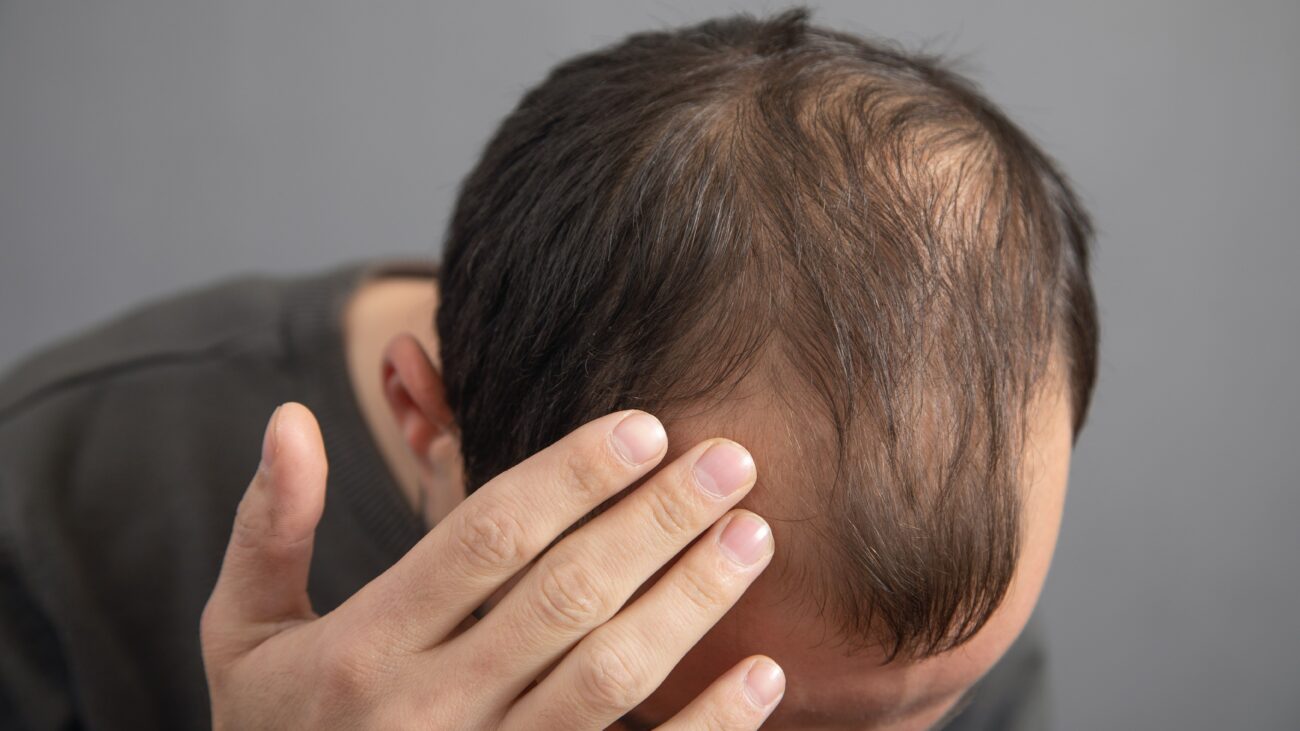
Now, we arrive at the concern that often accompanies the excitement of muscle building: hair loss. You’ve seen it, you’ve heard about it. DHT is widely recognized as the primary culprit behind male pattern baldness, or androgenetic alopecia. This is where the dual nature of DHT becomes most evident and often frustrating for individuals.
The Mechanism of Hair Loss: A Complex Interaction
The process by which DHT leads to hair loss is a gradual and often insidious one, primarily affecting hair follicles on the scalp. It’s not an overnight phenomenon but rather a slow erosion of the hair’s life cycle.
Hair Follicle Sensitivity: Individual Predisposition
The critical factor in DHT-induced hair loss isn’t just the presence of DHT itself, but your genetic predisposition to react to it. Some individuals have a heightened sensitivity in the androgen receptors located within their scalp hair follicles. This sensitivity is inherited, meaning if your father or grandfather experienced significant hair loss, you’re more likely to be susceptible. It’s this genetic blueprint that dictates how your follicles will respond to DHT’s presence.
The Miniaturization Process: Shrinking and Fading
When DHT encounters these sensitive hair follicles, it begins a process known as miniaturization. It doesn’t necessarily kill the follicle outright, but it gradually shrinks it. Imagine a once-robust plant being slowly starved of nutrients. The hair follicle begins to produce progressively thinner, shorter, and less pigmented hairs. Over time, these hairs become so fine and short that they are barely visible, eventually leading to a visibly balding area. This process is a direct consequence of DHT interfering with the normal growth cycle of the hair follicle.
The Hair Growth Cycle Disruption: A Shorter Lifespan
Your hair follicles operate on a cycle of growth (anagen), transition (catagen), and rest (telogen). DHT can disrupt this delicate balance. In individuals sensitive to DHT, it can prematurely push follicles out of the anagen (growth) phase and into the shorter catagen and telogen phases. This means the hair doesn’t have as long to grow, resulting in shorter and weaker hairs. Over multiple cycles, the follicle becomes increasingly miniaturized, and the growth phase becomes shorter and shorter until it eventually ceases to produce visible hair.
Understanding the Genetics of Hair Loss: Your Inherited Blueprint
As mentioned, genetics plays an undeniable role in this process. You can’t change your genes, but understanding their influence can help you prepare and manage expectations.
The Role of Androgen Receptor Genes
The genes that code for your androgen receptors are primary suspects in the genetic link to hair loss. Variations in these genes can lead to androgen receptors in the scalp that are more sensitive to DHT’s binding and subsequent effects. Scientists have identified specific genes and genetic markers associated with an increased risk of male pattern baldness. Understanding your family history is a good proxy for understanding your genetic predisposition.
Inherited Sensitivity: A Family Trait
This inherited sensitivity means that the effects of DHT on your hair follicles can be quite pronounced if you carry the right genetic variations. It’s why hair loss often runs in families, following recognizable patterns. While you can’t alter your DNA, recognizing this genetic component allows for proactive discussions about potential interventions if hair loss becomes a concern.
The Interplay Between Muscle Building and Hair Loss: A Balancing Act
This is the crux of your dilemma. You’re striving for a muscular physique, which leverages the anabolic power of DHT, yet you’re concerned about the androgenic effects that can lead to hair loss. It’s a delicate balancing act, and understanding how these two aspects interact is key.
The Hormonal Equation: Optimizing for Gains Without Sacrificing Hair
The central challenge lies in the fact that the very hormone that aids muscle building can also contribute to hair loss. This doesn’t mean you have to choose one over the other, but it does mean you need to be aware of the potential trade-offs and explore strategies to mitigate negative effects.
The Dilemma of Androgenic Hormones
Testosterone and DHT are essential for masculine development, including muscle growth. However, their androgenic nature means they can interact with sensitive hair follicles. It’s about the dose at which these hormones exert their influence and the individual’s genetic susceptibility. Higher levels of circulating testosterone, and consequently higher potential for DHT conversion, might correlate with greater muscle-building potential but also an increased risk of hair loss in genetically predisposed individuals.
The Impact of Performance-Enhancing Drugs (PEDs)
For those considering or using anabolic steroids, this interplay becomes even more pronounced and complex. While not recommending their use, it’s important for you to understand the significant implications.
Exogenous Hormones and Increased DHT Production
Anabolic-androgenic steroids (AAS) are synthetic versions of testosterone or related compounds. When you introduce exogenous testosterone into your body, your natural testosterone production is often suppressed. However, this exogenous testosterone can still be converted by your body’s 5-alpha reductase enzyme into DHT. Furthermore, some anabolic steroids are themselves derivatives of DHT or can increase the conversion of testosterone to DHT. This can lead to significantly higher DHT levels than would occur naturally, amplifying both the muscle-building effects and the potential for hair loss.
The Increased Risk in Steroid Users
For individuals using AAS, the risk of accelerated and more severe hair loss is substantially higher, particularly if they have a genetic predisposition. The enhanced androgenic stimulation can overwhelm the hair follicles more rapidly, leading to a pronounced and often premature onset of balding patterns. This is a significant consideration for anyone contemplating or using such substances.
In exploring the complex relationship between DHT and its effects on muscle building and hair loss, it is also worth considering the broader implications of hormonal balance in fitness and health. For a deeper understanding of how various supplements can influence these processes, you might find this article on nutritional strategies particularly insightful. It discusses how different nutrients can support muscle growth while potentially mitigating the adverse effects of hormones like DHT on hair health.
Strategies for Managing DHT’s Impact: Optimizing Your Physique and Your Hairline
| Aspect | Muscle Building | Hair Loss |
|---|---|---|
| DHT Production | May increase muscle mass | May contribute to hair loss |
| Effect on Androgen Receptors | Activates androgen receptors in muscles | Binds to androgen receptors in hair follicles |
| Role in Protein Synthesis | May enhance protein synthesis | No direct role in protein synthesis |
| Impact on Hair Follicles | No direct impact on hair follicles | May shrink hair follicles and lead to hair loss |
Fortunately, you’re not powerless in this situation. There are a myriad of strategies you can employ, from natural approaches to medical interventions, to manage the effects of DHT on both your muscles and your hair.
Natural Hair Preservation Strategies: Nurturing Your Follicles
Before considering more aggressive interventions, exploring natural methods can be a valuable first step for both general health and potentially mitigating hair loss.
Diet and Nutrition: The Foundation of Health
A balanced and nutrient-rich diet is fundamental to overall health, including the health of your hair follicles. Ensure you are getting adequate protein, which provides the amino acids necessary for hair growth. Vitamins like biotin (B7), vitamin D, and minerals like zinc and iron are also crucial for healthy hair. While no specific diet can stop DHT-induced hair loss, a well-nourished body is better equipped to maintain hair health.
Scalp Health and Stimulation: Creating a Favorable Environment
Practicing good scalp hygiene can help prevent issues that can exacerbate hair thinning. Gentle cleansing, avoiding harsh chemicals, and regular scalp massage can improve circulation to the follicles, potentially promoting a healthier environment for hair growth. Some individuals explore minoxidil (available over-the-counter), a vasodilator that can promote hair growth by increasing blood flow to the scalp and prolonging the hair’s growth phase.
Medical Treatments for Hair Loss: Targeted Interventions
For those experiencing significant hair loss, medical treatments offer more direct and potent solutions. These are typically prescription-based and require consultation with a healthcare professional.
Finasteride: Inhibiting the Conversion
Finasteride is a prescription medication that acts as a 5-alpha reductase inhibitor. By blocking this enzyme, it significantly reduces the conversion of testosterone to DHT in the body. This results in lower circulating DHT levels, which can slow down or even stop the miniaturization of hair follicles and, in some cases, lead to regrowth. It’s important to note that finasteride is primarily effective against DHT-induced hair loss and may have different effects on muscle building depending on individual responses and continued testosterone levels.
Minoxidil: Stimulating Growth
As mentioned earlier, minoxidil is an over-the-counter topical treatment that works by dilating blood vessels in the scalp, increasing blood flow and nutrient delivery to hair follicles. It also helps to prolong the anagen (growth) phase of the hair cycle. While it doesn’t directly impact DHT levels, it can effectively counteract the miniaturization process by stimulating the follicles to produce thicker, longer hair.
The Dual Action of Combination Therapies
Many individuals find that combining finasteride and minoxidil offers the most comprehensive approach to managing hair loss. Finasteride tackles the root cause by reducing DHT, while minoxidil stimulates the follicles directly. This dual action can be very effective in slowing down progression and promoting regrowth.
The Role of Supplements and Future Research
The supplement industry is rife with claims about DHT and hair loss. It’s crucial to approach these with a degree of skepticism and prioritize evidence-based approaches. While some natural compounds may have minor effects, their efficacy is often not comparable to prescription medications.
Exploring Natural Compounds with Caution
Some natural compounds, such as saw palmetto, are anecdotally reported to have DHT-blocking properties. However, the scientific evidence supporting their effectiveness for hair loss is less robust than for established medical treatments. If you choose to explore these, consult with a healthcare professional to ensure they don’t interfere with other medications or underlying health conditions.
Ongoing Scientific Advancements
The scientific community continues to research the intricate mechanisms of DHT and its role in both muscle growth and hair loss. Future advancements in understanding androgen receptor signaling, gene therapy, and novel drug development may offer even more targeted and effective solutions for individuals seeking to optimize their physique while preserving their hair. Stay informed about these developments, but always prioritize proven treatments under professional guidance.
In exploring the complex relationship between DHT and its dual roles in muscle building and hair loss, you might find it interesting to read about the effects of daily Cialis on overall health and wellness. This article delves into how certain medications can influence hormonal balance, which may indirectly impact muscle growth and hair health. For more insights, check out the article on daily Cialis.
Conclusion: Making Informed Choices for Your Body
You’ve embarked on a journey of understanding DHT, a hormone that stands at a fascinating crossroads of your physical aspirations. You’ve learned that its potent androgenic nature is a double-edged sword: a catalyst for the muscle you strive to build and a potential architect of the hairline you fear losing.
Your body is a complex symphony of hormones, genetics, and lifestyle. By understanding DHT’s dual role, you are empowered to make informed decisions. Whether you’re focused on maximizing your gains in the gym or preserving your precious locks, knowledge is your most valuable tool. Remember that individual responses vary, and what works for one person may not work for another. Always consult with healthcare professionals, be it a doctor, endocrinologist, or dermatologist, to discuss your specific concerns and explore the most appropriate strategies for your unique body and goals. The pursuit of a healthy, strong, and aesthetically pleasing physique is a marathon, not a sprint. Equip yourself with information, act with informed intention, and embrace the journey.
FAQs
What is DHT and its role in muscle building?
DHT, or dihydrotestosterone, is a hormone that plays a crucial role in the development of male characteristics, including muscle growth. It is a potent androgen that binds to androgen receptors in muscle tissue, promoting protein synthesis and muscle growth.
How does DHT contribute to hair loss?
DHT is also known to contribute to hair loss by binding to androgen receptors in hair follicles, leading to miniaturization of the follicles and eventual hair thinning and loss. This process is known as androgenetic alopecia, or male pattern baldness.
What are the potential effects of DHT on the body?
In addition to its role in muscle building and hair loss, DHT can also affect other aspects of the body, including the prostate, skin, and sexual function. It is important for the development of male reproductive organs and libido, but can also contribute to conditions such as benign prostatic hyperplasia (BPH) and acne.
How can DHT levels be managed for muscle building and hair loss prevention?
There are various approaches to managing DHT levels, including medications such as finasteride and dutasteride, which inhibit the conversion of testosterone to DHT. Additionally, lifestyle factors such as diet and exercise can also impact DHT levels.
What are the potential risks and benefits of altering DHT levels?
Altering DHT levels can have both positive and negative effects. While reducing DHT levels may help prevent hair loss, it can also impact muscle building and sexual function. It is important to consult with a healthcare professional before making any changes to DHT levels.