
Anti-Aging Peptides: Can We Actually Reverse the Clock?

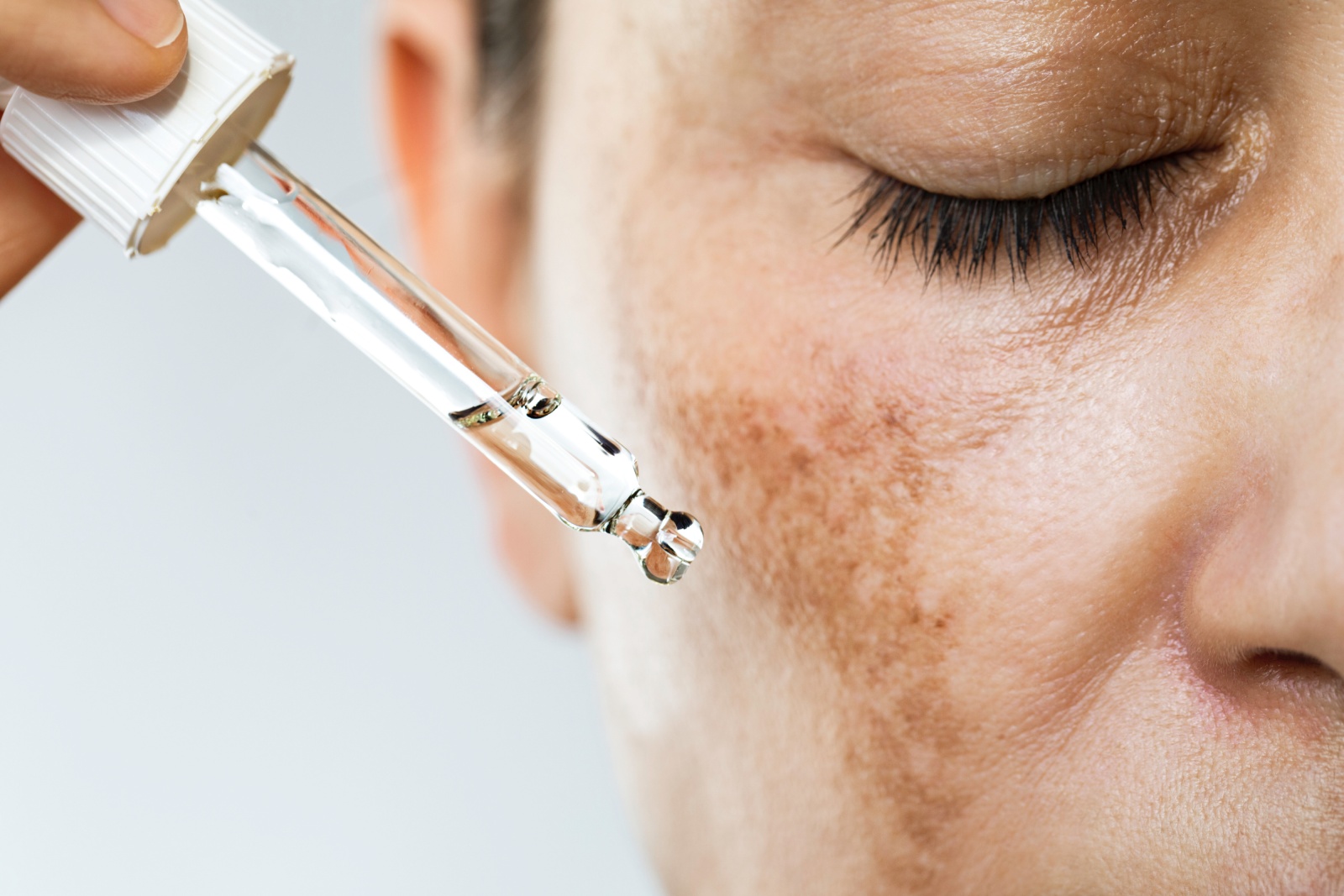
You’ve looked in the mirror, haven’t you? That subtle line etching itself at the corner of your eye, the slight dullness in your once vibrant complexion, the nagging ache that wasn’t there five years ago. You’ve noticed the whispers in your mind – doubts about your vitality, wishes for the energy of your younger self. The relentless march of time, it seems, spares no one. But what if you could, not halt, but genuinely reverse some of these processes? What if the fountain of youth wasn’t a mythical tale, but a scientific breakthrough waiting to be embraced? Welcome to the fascinating world of anti-aging peptides, where the promise of turning back the clock feels tantalizingly close to reality.
The Unseen Architects of Youth: Understanding Peptides
Before you dive headfirst into the allure of anti-aging, let’s clarify what peptides actually are. You might have heard the term thrown around in beauty ads or health forums, but understanding their fundamental role is key.
Breaking Down the Building Blocks: What are Peptides?
Imagine proteins as intricate structures, massive and complex. Peptides are like the individual LEGOs or small, pre-assembled sections of those larger structures. Chemically speaking, they are short chains of amino acids linked together by peptide bonds. They’re not as big as full proteins, but their smaller size is actually their superpower. It means they can often penetrate cell membranes more easily, reaching their targets with greater efficiency.
The Body’s Own Messengers: How Do Peptides Work?
Think of peptides as tiny, sophisticated messengers within your body. They carry specific instructions from one cell to another, influencing a vast array of cellular functions. They can tell your skin cells to produce more collagen, signal your muscles to repair faster, or even communicate with your immune system to enhance its response. This targeted communication is precisely why they hold such immense promise in anti-aging. They don’t just broadly affect a system; they nudge specific biological pathways in desired directions.
The Peptide Family Tree: A Glimpse at Diversity
There isn’t just one type of peptide; there’s a whole diverse family. Some are signaling peptides, telling cells what to do. Others are carrier peptides, enhancing the delivery of other compounds. Then there are enzyme-inhibitor peptides, which block enzymes that degrade beneficial substances. This incredible diversity means that for almost every age-related decline, there’s a potential peptide solution.
Beyond Creams and Serums: Peptides in Action
You’ve probably seen peptides listed on the ingredients of your expensive face cream. While topical applications have their place, the real revolution is happening at a deeper, systemic level.
Skin Rejuvenation: The Quest for Collagen and Elastin
You know the drill: as you age, your skin loses its firmness and elasticity. This is largely due to a decline in collagen and elastin production.
Copper Peptides: The Wound Healers and Remodelers
One of the most well-researched groups is copper peptides. Specifically, GHK-Cu (glycyl-L-histidyl-L-lysine) is a superstar. You see, copper is vital for several enzymatic reactions involved in collagen and elastin synthesis. GHK-Cu acts as a carrier for copper ions, delivering them to cells where they can stimulate fibroblasts to produce more collagen and elastin. But it doesn’t stop there. GHK-Cu also boasts powerful antioxidant and anti-inflammatory properties, helps repair DNA damage, and even promotes scar tissue remodeling, leading to smoother, more even-toned skin. Imagine your skin regenerating itself from within, healing past damage and rebuilding its youthful structure. This isn’t just wishful thinking; scientific studies have shown promising results.
Matrixyl and Argireline: The Botox Alternatives?
Then there are peptides like Matrixyl (palmitoyl pentapeptide-4) and Argireline (acetyl hexapeptide-3). Matrixyl is a signaling peptide that mimics a fragment of collagen, tricking your skin into thinking it needs to produce more. Argireline, on the other hand, works by inhibiting the release of neurotransmitters that cause muscle contractions, similar to how botulinum toxin (Botox) works, but in a much milder, topical fashion. While not as potent as injectables, consistent use can lead to a noticeable reduction in expression lines, softening the appearance of wrinkles without freezing your face.
Hair Restoration: Rekindling Follicular Youth
Is your hairline receding, or your hair thinning? You’re not alone. Hair loss is a common and distressing sign of aging for many.
Biotin Peptides and Growth Factor Mimetics
Peptides are emerging as promising candidates for hair restoration. Some peptides directly stimulate hair follicle cells, encouraging dormant follicles to enter the growth phase. Others improve blood circulation to the scalp, ensuring follicles receive the nutrients they need. Biotinoyl Tripeptide-1, for instance, enhances hair follicle anchoring and reduces hair loss, while Apigenin and Oleanolic Acid, often combined with peptides, help to inhibit DHT (dihydrotestosterone), a hormone implicated in male and female pattern baldness. Imagine restoring the thickness and vitality of your hair, not just covering up the problem.
Cognitive Enhancement: Sharpening the Mind
You’ve felt that occasional mental fog, the difficulty recalling names, or the slower processing speed. Cognitive decline is a significant fear associated with aging.
Nootropic Peptides: Synaptic Boosters
Certain peptides are being explored for their potential to enhance cognitive function. Peptides like Semax and Selank, for example, are synthetic peptides originating from Russia that have shown neuroprotective and neurotrophic (nerve growth promoting) properties. They can influence neurotransmitter systems, improve memory consolidation, and reduce anxiety. Dihexa, another potent nootropic peptide, is reported to be many times more powerful than BDNF (Brain-Derived Neurotrophic Factor) in promoting synaptic formation, essentially helping your brain create new connections and strengthen existing ones. This could mean sharper focus, improved learning, and a more resilient mind as you age.
Musculoskeletal Health: Rebuilding Strength and Resilience
That stiffness in your joints, the slower recovery after exercise, the constant battle to maintain muscle mass – these are hallmarks of aging affecting your physical prowess.
BPC-157 and TB-500: The Regenerative Duo
Here’s where peptides truly shine in regenerative medicine. BPC-157 (Body Protection Compound-157) is a peptide that exhibits remarkable regenerative properties across various tissues, including muscles, tendons, ligaments, and bones. It accelerates healing, reduces inflammation, and even protects against injury. TB-500 (Thymosin Beta-4) works synergistically with BPC-157, promoting cell migration and differentiation, essentially aiding in the recruitment of new cells for tissue repair. You can almost feel your body’s intrinsic healing capabilities being amplified, allowing you to recover faster from workouts, overcome nagging injuries, and maintain a more robust physical form well into your later years. Imagine your joints feeling more lubricated, your muscles recovering with youthful efficiency – the potential for a more active and pain-free life is enormous.
Metabolic Regulation and Fat Loss: Reshaping Your Body
You’ve noticed that it’s harder to shed those extra pounds, that your metabolism isn’t what it used to be. Age-related metabolic slowdown is a common frustration.
Ipamorelin, Sermorelin, and CJC-1295: Boosting Growth Hormone
These powerful peptides are Growth Hormone Releasing Peptides (GHRPs) or Growth Hormone Releasing Hormones (GHRHs). They stimulate your pituitary gland to produce and release more of your own natural growth hormone (GH). While growth hormone itself has a bad reputation due to illicit use of synthetic HGH, naturally modulated GH release through these peptides can have profound anti-aging effects. You see, GH levels naturally decline with age. Increasing your endogenous GH can lead to increased lean muscle mass, decreased body fat, improved bone density, enhanced skin elasticity, and better sleep. You’re not introducing a foreign hormone; you’re simply encouraging your body to produce more of what it’s already designed to make, but in diminished quantities as you age. Imagine your metabolism reigniting, your body becoming more toned and efficient, a leaner you emerging from within.
The Science Behind the Promise: Are Peptides Too Good to Be True?
You’re probably thinking, “This all sounds amazing, but is there actual science to back it up?” This skepticism is healthy and warranted.
Clinical Trials and Anecdotal Evidence: Weighing the Data
The truth is, research into anti-aging peptides is booming. Many peptides are in various stages of clinical trials, and some have already shown significant promise. For instance, the efficacy of GHK-Cu in skin regeneration is supported by numerous studies. Peptides for muscle repair and cognitive function are also showing exciting results in preclinical and early-stage human trials. However, it’s crucial to distinguish between well-established, clinically proven applications and those still in the realm of promising research or anecdotal reports.
The Lure of Off-Label Use: A Word of Caution
You’ll find many peptides available through research chemical suppliers or compounding pharmacies, often for “research purposes only” or off-label use. While individuals report significant benefits from these avenues, you must exercise extreme caution. These pathways often lack the rigorous safety and efficacy testing of FDA-approved medications. The purity, dosage, and sterility of such products can be highly variable, posing potential risks.
Safety and Side Effects: What You Need to Know
Generally, peptides are considered to have a favorable safety profile compared to many pharmaceuticals because they mimic compounds already found in your body. However, “natural” doesn’t always mean “without side effects.” Depending on the peptide, potential side effects can include irritation at injection sites (for injectable peptides), increased appetite, vivid dreams, or transient numbness. More serious side effects are rare but possible, especially with improper dosing or impure products. This underscores the critical importance of physician supervision.
Navigating the Peptide Landscape: Your Personalized Approach
You’re intrigued, perhaps even convinced that peptides hold a key to your anti-aging goals. But where do you begin?
Consulting a Knowledgeable Professional: Your First Step
This is non-negotiable. Self-prescribing peptides is fraught with danger. You need to consult a healthcare provider who is informed about peptide therapy. This could be an anti-aging specialist, a functional medicine doctor, or an endocrinologist. They can assess your individual health status, identify specific deficiencies or areas of concern, and recommend the most appropriate peptides and dosages. They can also supervise your treatment, monitor your progress, and manage any potential side effects.
Dosage and Administration: It’s Not One-Size-Fits-All
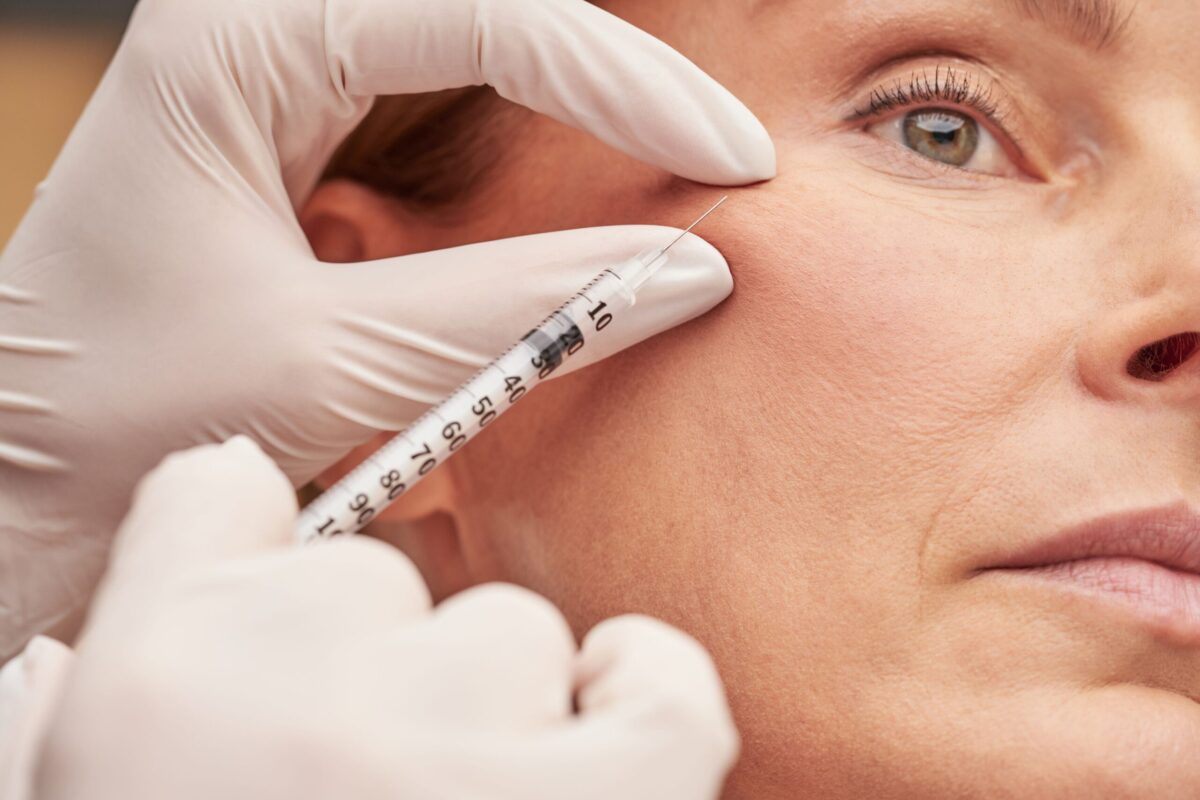
Peptides are typically administered in various ways: topically (for skin), orally (though many are degraded in the gut), or by injection (subcutaneous or intramuscular). The correct dosage and administration route are crucial for efficacy and safety. A personalized approach, guided by your doctor, is paramount. What works for one person may not work for another.
Integrating Peptides into a Holistic Anti-Aging Strategy
Remember, peptides are powerful tools, but they are not magic bullets. For optimal results, you must integrate them into a comprehensive anti-aging strategy.
Lifestyle Foundations: Diet, Exercise, and Sleep
No peptide regimen will fully compensate for a poor diet, lack of exercise, or chronic sleep deprivation. You need to supply your body with the raw materials for rejuvenation. A nutrient-dense diet, rich in antioxidants and healthy fats, regular physical activity, and consistent, high-quality sleep are the foundational pillars of anti-aging. Peptides enhance these efforts; they don’t replace them.
Stress Management and Environmental Factors
Chronic stress is a known accelerator of aging. Incorporate stress-reducing practices like meditation, yoga, or spending time in nature. Furthermore, minimize exposure to environmental toxins, pollutants, and excessive UV radiation, all of which contribute to cellular damage and premature aging. Think of peptides as optimizing your internal environment, but you still need to protect yourself from external aggressors.
Regular Monitoring and Adjustments
Your anti-aging journey with peptides shouldn’t be a set-it-and-forget-it approach. Regular blood tests, discussions with your doctor, and monitoring of your symptoms and progress are essential. Your regimen may need to be adjusted over time as your body responds and your needs change.
The Future of Anti-Aging: A Glimpse Forward
You’re living in an exciting era where the conventional wisdom about aging is being challenged by scientific innovation.
Tailored Interventions: Precision Medicine and Peptides
The Holy Grail of anti-aging is precision medicine – interventions tailored to your unique genetic makeup, biomarkers, and health profile. As our understanding of the human genome and molecular biology advances, expect peptide therapies to become even more personalized, addressing your specific age-related vulnerabilities with pinpoint accuracy.
Breakthrough Discoveries: The Uncharted Territory
The field of peptide research is still relatively young and constantly evolving. New peptides with novel mechanisms of action are being discovered regularly. The next decade will undoubtedly bring even more powerful and targeted anti-aging solutions, pushing the boundaries of what we thought was possible.
Ethical Considerations: Reversing the Clock Judiciously
As our capacity to reverse elements of aging grows, so too do the ethical questions. Who will have access to these life-extending and youth-restoring technologies? What are the societal implications of a significantly extended human lifespan? These are conversations that you, as an engaged participant in the future of health, will need to consider.
You’ve looked in the mirror and asked, “Can I actually reverse the clock?” While a complete rewind to your teenage years remains in the realm of science fiction, anti-aging peptides offer a very real, scientifically grounded pathway to optimize your body’s intrinsic youthful mechanisms. They represent a significant leap beyond merely slowing down aging, hinting at the possibility of actively regenerating, repairing, and revitalizing you from within. With careful research, professional guidance, and a holistic approach, you can embark on a journey that doesn’t just embrace aging gracefully, but actively aims to reclaim a more vibrant, energetic, and youthful version of yourself. The clock may be ticking, but with peptides, you now have a powerful ally in your quest to turn some of those hands back.
FAQs
What are peptides and how do they work in anti-aging products?
Peptides are short chains of amino acids that act as building blocks of proteins in the skin. In anti-aging products, peptides work by stimulating collagen production, which can help improve the appearance of fine lines and wrinkles.
Are there any scientific studies supporting the effectiveness of anti-aging peptides?
Yes, there are several scientific studies that have shown the potential benefits of peptides in reducing the signs of aging. These studies have demonstrated that certain peptides can help improve skin elasticity, firmness, and overall texture.
What are some common types of peptides used in anti-aging products?
Some common types of peptides used in anti-aging products include palmitoyl pentapeptide-4, acetyl hexapeptide-8, and copper peptides. Each type of peptide has specific properties that can target different aspects of aging skin.
Are there any potential side effects of using anti-aging peptides?
While peptides are generally considered safe for use in skincare products, some individuals may experience mild irritation or allergic reactions. It’s important to patch test any new product containing peptides and consult with a dermatologist if you have any concerns.
Can anti-aging peptides actually reverse the aging process?
While peptides can help improve the appearance of aging skin by stimulating collagen production and reducing the appearance of fine lines and wrinkles, they cannot reverse the aging process entirely. However, they can be a valuable component of a comprehensive anti-aging skincare routine.