
Why Your Testosterone is Low? 5 Common Lifestyle Habits to Change


You’ve been feeling it, haven’t you? That persistent drag, a subtle but undeniable slump in your usual vibrancy. Maybe your workouts feel less impactful, your libido isn’t as roaring as it once was, or your energy levels are consistently dropping by mid-afternoon. If these resonate, you might be experiencing the effects of low testosterone. It’s not just an “old man’s problem” anymore; men of all ages are grappling with this increasingly prevalent issue. The good news? Often, the culprits are right under your nose – woven into your daily routine. Understanding why your testosterone might be dipping is the first step toward reclaiming your vitality. Let’s delve into five common lifestyle habits that could be sabotaging your T-levels and what you can do to turn the tide.
In today’s fast-paced world, stress has become an unfortunate companion for many of us. Whether it’s demanding work, financial worries, relationship issues, or even just the constant bombardment of information, chronic stress can wreak havoc on your body, and your testosterone levels are no exception.
The Cortisol-Testosterone Tug-of-War
When you experience stress, your adrenal glands kick into high gear, releasing a flood of cortisol, the body’s primary stress hormone. Cortisol is essential for your ‘fight or flight’ response, but when it’s chronically elevated, it signals to your body that you’re in a perpetual state of emergency. This is where the problem lies for your testosterone. Your body has finite resources, and producing high levels of cortisol often means diverting precursors away from testosterone production. Think of it like a crowded nightclub – if the bouncers (your body’s endocrine system) prioritize letting in the “big shot” (cortisol) due to a perceived threat, other important patrons (testosterone) might be left waiting outside or even turned away.
Sleep Deprivation Exacerbates Stress
Compounding the issue of chronic stress is often a lack of quality sleep. When you’re stressed, you often find it harder to fall asleep, stay asleep, or achieve deep, restorative sleep. This creates a vicious cycle. Poor sleep elevates cortisol levels further, which in turn suppresses testosterone. Your body’s most crucial period for testosterone production is during deep sleep, particularly the REM cycles. If you’re consistently getting less than 7-8 hours of quality sleep, you’re essentially short-circuiting your natural testosterone factory. You wake up feeling groggy, your stress response is amplified, and your T-levels take another hit.
The Mental Burden of Overthinking
Beyond the biochemical impact, the mental aspect of stress also plays a role. Constantly worrying, overthinking, and feeling overwhelmed can lead to chronic anxiety and even depression, both of which are linked to lower testosterone. This isn’t just a coincidence; the psychological burden itself can trigger physiological responses that impede hormone balance. If your mind is always racing, your body interprets this as a threat, keeping cortisol elevated and diminishing your sex hormone production.
If you’re looking to understand more about the factors affecting testosterone levels, you might find the article “The Dos and Don’ts of Buying Steroids” insightful as it discusses how certain substances can impact hormonal balance and overall health. For a deeper dive into lifestyle changes that can help improve testosterone levels, check out the article on why your testosterone is low and the five common lifestyle habits to change. You can read the related article here: The Dos and Don’ts of Buying Steroids.
2. Your Diet is a Nutritional Wasteland
What you put into your body has a profound impact on every physiological process, including hormone synthesis. If your diet consists largely of processed foods, refined sugars, unhealthy fats, and insufficient micronutrients, you’re essentially providing your testosterone-producing machinery with subpar fuel, if any fuel at all.
The Sugar and Refined Carb Rollercoaster
Perhaps one of the biggest dietary culprits in the battle against low testosterone is excessive sugar and refined carbohydrate intake. When you consume sugary drinks, pastries, white bread, and other similar foods, your blood sugar spikes rapidly. In response, your pancreas releases a surge of insulin to bring these levels down. Chronic insulin resistance, often a result of a consistently high-sugar diet, is strongly linked to lower testosterone. Insulin resistance directly impairs Leydig cell function in the testes, which are responsible for testosterone production. Furthermore, these types of foods are often calorie-dense but nutrient-poor, leading to weight gain, which we’ll discuss next. Imagine trying to build a complex engine (your hormonal system) with cheap, flimsy parts – it simply won’t perform optimally.
The Peril of Processed Fats and Oils
Not all fats are created equal. While healthy fats are crucial for hormone production (cholesterol is the precursor to testosterone), the industrial seed oils and trans fats found in many processed and fast foods can be detrimental. These unhealthy fats promote inflammation throughout your body, which can disrupt delicate hormonal balances. Furthermore, a diet high in these types of fats often displaces the intake of beneficial monounsaturated and polyunsaturated fats (like those found in avocados, nuts, seeds, and olive oil), which are essential for maintaining cell membrane integrity and supporting healthy hormone function. Your body can’t make good hormones with bad building blocks.
Micronutrient Deficiencies: The Silent Saboteurs
Even if you’re avoiding overt junk food, a diet lacking in essential vitamins and minerals can silently cripple your testosterone production. Key players include:
- Zinc: Absolutely vital for testosterone synthesis. Deficiencies are common, especially in diets low in red meat, shellfish, and nuts. Zinc plays a direct role in the enzyme pathways that convert precursors into testosterone.
- Vitamin D: More a pro-hormone than a vitamin, Vitamin D receptors are found on Leydig cells, and research consistently links adequate Vitamin D levels to higher testosterone. Many people are deficient due to insufficient sun exposure.
- Magnesium: Involved in hundreds of enzymatic reactions, including those related to hormone production. Magnesium helps keep testosterone “free” (bioavailable) rather than bound to sex hormone-binding globulin (SHBG).
- B Vitamins: Especially B6, B9 (folate), and B12, are crucial for energy metabolism and neurotransmitter function, indirectly supporting hormonal health. A deficiency can impact overall well-being, which in turn can lead to lower T.
Without these crucial cofactors, your body simply can’t efficiently produce testosterone, even if all other conditions are met.
3. You’re Living a Sedentary Lifestyle
In an era dominated by desk jobs, binge-watching, and convenient transportation, physical activity often takes a backseat. Unfortunately, a sedentary lifestyle is one of the most powerful inhibitors of natural testosterone production. Your body is designed to move, and when it doesn’t, a cascade of negative physiological changes occurs, many of which directly impact your hormones.
Muscle Loss and Declining Metabolism
One of the most immediate consequences of inactivity is muscle atrophy. Muscle tissue is metabolically active and plays a crucial role in overall health, including hormone regulation. The more muscle mass you have, the better your insulin sensitivity and the more efficiently your body uses nutrients. When you lose muscle, your metabolism slows down, making it easier to gain fat. This brings us to the next point.
The Fat-Testosterone Feedback Loop
Excess body fat, particularly visceral fat (the kind that accumulates around your organs in your abdomen), is a major enemy of testosterone. Adipose tissue (fat cells) contains an enzyme called aromatase, which converts testosterone into estrogen. The more body fat you have, the more aromatase activity, and consequently, the more your precious testosterone is converted into estrogen. This creates a vicious cycle: low testosterone makes it harder to lose fat and build muscle, while high body fat further lowers testosterone, exacerbating the problem. You might find yourself with increased fat stores around your chest (gynecomastia), reduced muscle definition, and a general “softer” physique, all pointing towards this imbalance.
Lack of Stimulus for Hormone Release
Beyond the fat-testosterone conversion, simply not moving enough deprives your body of a key stimulus for hormone production. Regular physical activity, especially resistance training and high-intensity interval training (HIIT), has been shown to acutely and chronically boost testosterone levels. These forms of exercise create a metabolic demand and an anabolic signal that tells your body to produce more hormones for repair and growth. If you’re consistently sitting for hours on end, you’re sending the opposite signal – a message of low demand, low necessity for these powerful anabolic hormones. Your body adapts to the lack of stimulus by downregulating their production.
4. You’re Routinely Exposed to Endocrine Disruptors
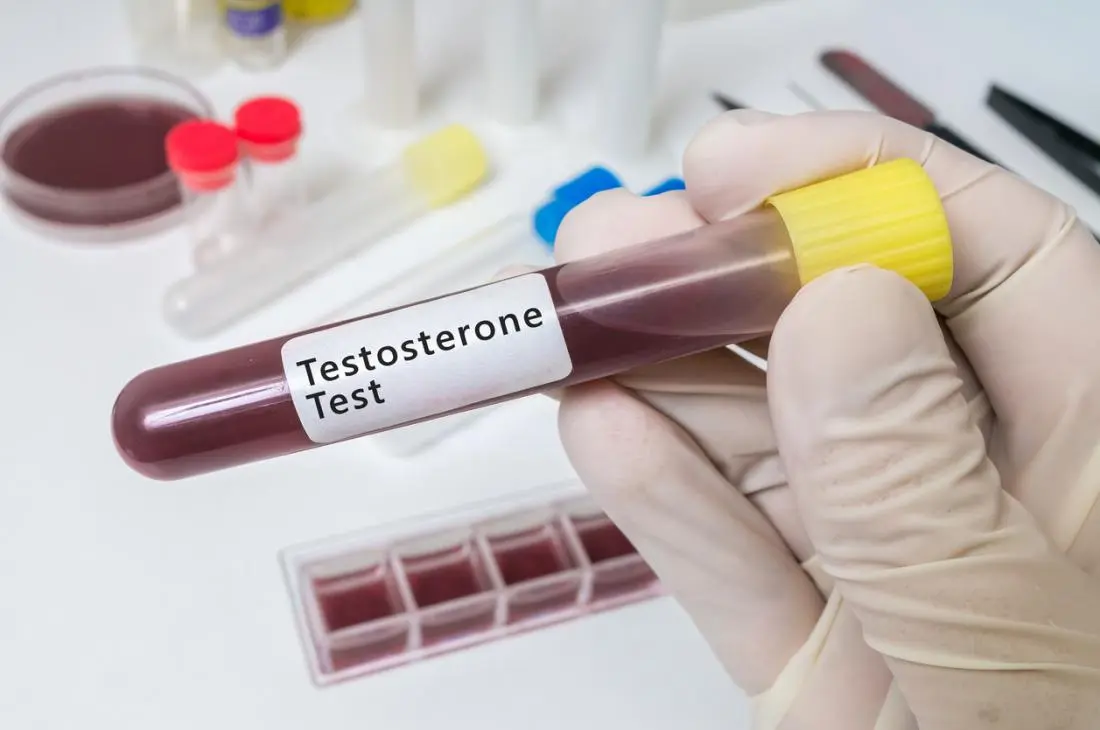
While stress, diet, and exercise are well-known factors influencing health, a silent and often overlooked threat to your testosterone levels comes from the chemical soup of our modern environment. Endocrine-disrupting chemicals (EDCs) are substances that can interfere with your endocrine system (your hormone system). They mimic, block, or otherwise alter the action of natural hormones, and unfortunately, many of them have an estrogenic effect, meaning they can act like estrogen in your body, further skewing your T-E balance.
Plastics and Phthalates: The Ubiquitous Threat
One of the most common sources of EDCs comes from plastics. Bisphenol A (BPA) and phthalates are found in a staggering array of everyday products. BPA is widely used in making polycarbonate plastics (think reusable water bottles, food storage containers, and the lining of canned foods) and epoxy resins. Phthalates are used to make plastics more flexible (e.g., in food wrappers, plastic toys, shower curtains, and even some personal care products like lotions and shampoos). Both BPA and phthalates have been shown to have estrogenic activity, interfering with testosterone synthesis and potentially decreasing sperm quality. When you heat food in plastic containers or drink from plastic bottles left in the sun, these chemicals can leach into your food and beverages, finding their way into your system.
Pesticides and Herbicides: Contaminants in Your Food
The food you eat, even seemingly healthy options, can be a hidden source of EDCs. Many pesticides and herbicides used in conventional agriculture are known endocrine disruptors. Atrazine, for example, a commonly used herbicide, has been linked to feminizing effects in wildlife and concerns about human hormonal impacts. Organophosphate pesticides, while not always directly estrogenic, can affect the production and metabolism of hormones by interfering with enzymes critical for their synthesis. Eating conventionally grown produce can expose you to these chemicals, which can accumulate in your body over time, slowly degrading your hormonal health.
Personal Care Products and Cosmetics
It might surprise you, but your shampoo, conditioner, soap, deodorant, and even shaving cream could be contributing to your endocrine disruption. Parabens, often used as preservatives, and triclosan, an antibacterial agent, are common EDCs found in many personal care items. These chemicals can be absorbed through your skin and enter your bloodstream, where they can exert their hormone-mimicking effects. Fragrances, too, often contain phthalates that aren’t listed individually due to trade secret laws, adding another layer of potential exposure. You might think these exposures are small, but cumulative daily exposure from multiple sources can add up to a significant hormonal burden.
If you’re exploring the reasons behind low testosterone levels, you might find it helpful to read about the impact of hormones on weight management and appetite in the article on GLP-1s. This piece discusses how these hormones can influence your overall health and may even play a role in testosterone levels. Understanding the connection between hormones and lifestyle choices can provide valuable insights into improving your well-being. For more information, check out the article here.
5. You’re Not Prioritizing Recovery and Down-Time
| Lifestyle Habit | Impact on Testosterone Levels |
|---|---|
| Poor Diet | Low intake of essential nutrients can lead to decreased testosterone production |
| Lack of Exercise | Sedentary lifestyle can contribute to lower testosterone levels |
| Excessive Stress | Chronic stress can disrupt hormone balance and reduce testosterone |
| Inadequate Sleep | Not getting enough sleep can negatively impact testosterone levels |
| Excessive Alcohol Consumption | Heavy drinking can suppress testosterone production |
In an achievement-oriented society, there’s often a push to constantly be “on” – working longer, training harder, and staying perpetually busy. While ambition is commendable, neglecting adequate recovery and downtime can paradoxically hinder your progress and, critically, depress your testosterone levels. Your body isn’t a machine that can run indefinitely at peak performance; it requires periods of repair and rejuvenation.
Overtraining: Too Much of a Good Thing
While exercise boosts testosterone, there’s a point of diminishing returns, and if you push beyond it, you enter the realm of overtraining. Overtraining, particularly too much high-intensity or endurance exercise without sufficient rest, places significant stress on your body. This chronic stress response elevates cortisol levels (as discussed in point 1), which directly suppresses testosterone. Symptoms of overtraining can include persistent fatigue, prolonged muscle soreness, decreased performance, irritability, disrupted sleep, and yes, plummeting libido – all signs that your hormonal balance is out of whack. Your body interprets this excessive physical demand as a threat, diverting resources to stress management rather than anabolic processes like testosterone production. You might feel like you’re doing “everything right” by hitting the gym hard every day, but if you’re not allowing for proper recovery, you could be actively working against your goals.
Insufficient Sleep Quality and Quantity
This ties closely with chronic stress, but it’s worth re-emphasizing as a standalone recovery issue. During sleep, your body performs a multitude of restorative processes. This is when growth hormone is released, and a significant portion of your daily testosterone is produced. Specifically, the majority of your daily testosterone surge occurs during deep REM sleep. If you’re consistently getting less than 7-8 hours of sound sleep, or if the quality of your sleep is poor (disturbed, light sleep), you’re simply not giving your body enough time or the right conditions to manufacture adequate testosterone. Think of it as shutting down a factory before it’s completed its daily quota. The consequences extend beyond low T; you’ll notice impaired cognitive function, reduced muscle repair, weakened immune system, and increased cravings for unhealthy foods due to altered hunger hormones.
Lack of Relaxation and Leisurly Activities
Beyond just sleep, simply taking time to relax and engage in enjoyable, low-stress activities is crucial for managing your overall stress burden and, by extension, your testosterone. Constantly being in a state of high arousal, fueled by work, screens, or constant stimulation, keeps your sympathetic nervous system (fight-or-flight) engaged. To bring down cortisol and allow your body to focus on restorative processes, you need to activate your parasympathetic nervous system (rest-and-digest). This means deliberately scheduling downtime: reading a book, spending time in nature, practicing mindfulness or meditation, engaging in hobbies, or simply doing nothing. If your life is a constant grind, without periods of genuine relaxation, your body remains in a low-level stress state, consistently favoring cortisol production over testosterone. This isn’t about being lazy; it’s about smart physiological management.
Your testosterone levels are a sensitive barometer of your overall health and lifestyle. While identifying low T can be concerning, the good news is that many of the factors contributing to it are within your control. By addressing chronic stress, cleaning up your diet, becoming more active, minimizing exposure to environmental toxins, and prioritizing rest and recovery, you can create an environment where your body thrives, naturally optimizing your hormone production. It’s not about quick fixes; it’s about making sustainable, positive changes to your daily habits that will not only boost your testosterone but also improve your health, energy, and zest for life. Take action today, and start reclaiming your vitality.
FAQs
What are the common lifestyle habits that can contribute to low testosterone levels?
Some common lifestyle habits that can contribute to low testosterone levels include poor diet, lack of exercise, excessive stress, inadequate sleep, and excessive alcohol consumption.
How does poor diet contribute to low testosterone levels?
Poor diet, especially one high in processed foods and low in essential nutrients like vitamins and minerals, can contribute to low testosterone levels. Additionally, excessive consumption of sugar and unhealthy fats can also negatively impact testosterone production.
What is the relationship between lack of exercise and low testosterone levels?
Lack of exercise can lead to low testosterone levels as physical activity is important for maintaining healthy hormone levels. Regular exercise, especially resistance training, can help boost testosterone production.
How does excessive stress impact testosterone levels?
Excessive stress can lead to an increase in the production of cortisol, a stress hormone, which can in turn suppress the production of testosterone. Chronic stress can have a negative impact on hormone balance and overall health.
How does inadequate sleep and excessive alcohol consumption affect testosterone levels?
Inadequate sleep can disrupt hormone production, including testosterone, while excessive alcohol consumption can have a negative impact on the endocrine system, leading to decreased testosterone levels. Both factors can contribute to low testosterone levels.