
TRT vs. Natural Testosterone Boosters: Setting Realistic Expectations


You’re likely here because you’ve noticed changes in your energy levels, mood, or physical performance, and the word “testosterone” has entered your mind. Perhaps you’ve been reading online forums, watching YouTube videos, or even speaking with friends, and you’ve encountered two primary avenues for addressing what you perceive as low testosterone: Testosterone Replacement Therapy (TRT) and natural testosterone boosters. Both promise to address your concerns, but they are vastly different in their approach, efficacy, and implications. It’s crucial to navigate this landscape with realistic expectations, understanding what each option can – and cannot – do for you. This article aims to demystify TRT and natural boosters, empowering you to make informed decisions about your health.
Before you even consider TRT or natural boosters, you need to understand your current hormonal status. This isn’t a DIY situation; it requires professional medical evaluation.
The Importance of a Medical Diagnosis
You might feel like you have low testosterone, but symptoms can be misleading. Many conditions, from stress and poor sleep to thyroid issues and depression, can mimic low testosterone symptoms. Self-diagnosing can lead you down the wrong path, potentially delaying proper treatment for the actual underlying issue.
What Are the Symptoms of Low Testosterone?
You’ll want to recognize the common signs, but remember these are not definitive proof. You might experience:
- Decreased libido (sex drive): This is a very common complaint.
- Erectile dysfunction: Difficulty achieving or maintaining an erection.
- Fatigue and reduced energy levels: Feeling constantly tired, even after adequate rest.
- Mood changes: Irritability, sadness, or lack of motivation.
- Loss of muscle mass and strength: Difficulty building or maintaining muscle.
- Increased body fat: Especially around the abdomen.
- Reduced bone density: Potentially leading to osteoporosis.
- Changes in sleep patterns: Insomnia or disrupted sleep.
- Reduced facial and body hair growth.
Why Self-Diagnosis is Risky
Relying on how you feel alone is like trying to fix a car engine by just listening to it. You need to open the hood and look at the components. Symptoms are the effects; a blood test is the cause-identifier.
The Role of Blood Tests
A urologist or endocrinologist will conduct blood tests to accurately measure your testosterone levels.
Total vs. Free Testosterone
You’ll likely see two primary testosterone measurements:
- Total Testosterone: This is the overall amount of testosterone in your blood. It includes testosterone bound to proteins (like SHBG and albumin) and unbound testosterone.
- Free Testosterone: This is the amount of testosterone that is unbound and readily available for your body to use. It’s often considered a more clinically relevant indicator of hormonal activity.
When to Seek Medical Help
If you consistently experience several of the symptoms listed and they are impacting your quality of life, it’s time to schedule an appointment with a doctor. They will consider your symptoms, medical history, and blood test results to determine if you have clinically low testosterone (hypogonadism).
In the ongoing discussion about testosterone enhancement, it’s essential to consider various perspectives and options available to individuals seeking to optimize their hormone levels. A related article that delves into the legacy effects of anabolic substances and explores safe alternatives can provide valuable insights. For those interested in understanding the broader implications of testosterone replacement therapy (TRT) and natural testosterone boosters, you can read more in this article: Anabol’s Legacy: Effects, Usage, and Safe Alternatives. This resource offers a comprehensive look at the potential risks and benefits associated with different approaches to testosterone enhancement.
Testosterone Replacement Therapy (TRT): When It’s Medically Necessary
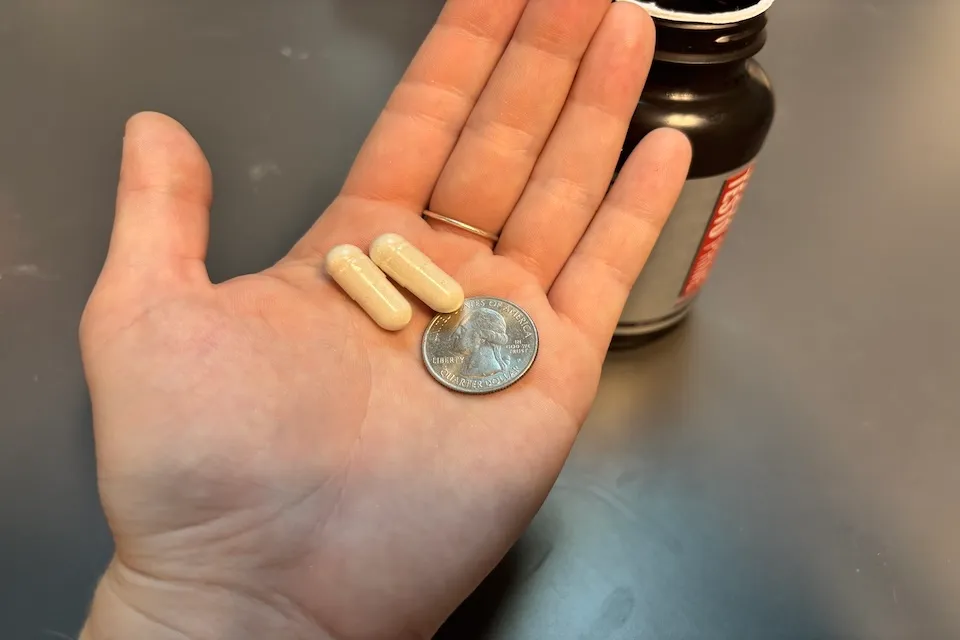
TRT is a legitimate medical treatment prescribed to individuals diagnosed with hypogonadism. It’s not a lifestyle choice or a quick fix for aging; it’s a therapy designed to restore testosterone levels to a normal physiological range when your body is no longer producing enough.
What TRT Involves
TRT aims to supplement your body’s declining testosterone production with exogenous testosterone. This can be administered in various forms.
Forms of TRT
You and your doctor will discuss the most suitable delivery method for you:
- Testosterone Injections: These are the most common and cost-effective form of TRT, typically administered intramuscularly every one to two weeks. They provide consistent hormone levels but can sometimes involve peaks and troughs.
- Testosterone Gels and Creams: Applied daily to the skin, these offer a more gradual release of testosterone, mimicking natural production more closely. However, they can pose a risk of transference to others through skin contact.
- Testosterone Patches: Applied to the skin daily, these also provide a steady release, but some individuals experience skin irritation.
- Testosterone Pellets: Implanted under the skin during a minor procedure, these release testosterone over several months, offering long-term convenience.
The Goal of TRT
The primary goal is to alleviate the symptoms of hypogonadism and bring your testosterone levels back into the healthy male range, improving your overall well-being.
Who is a Candidate for TRT?
TRT is not for everyone. It’s a serious medical intervention with potential risks and side effects.
Diagnosis of Hypogonadism
The absolute prerequisite for TRT is a confirmed diagnosis of hypogonadism. This means your testosterone levels are consistently below the normal range, and this deficiency is causing significant symptoms.
Potential Risks and Side Effects of TRT
It’s crucial to understand that TRT is a medical treatment, not a supplement. Some potential risks include:
- Increased red blood cell count (polycythemia): Which can lead to blood clots.
- Acne and oily skin.
- Male pattern baldness (if genetically predisposed).
- Prostate enlargement and potential stimulation of existing prostate cancer (though this is a complex and debated area).
- Infertility: TRT can suppress sperm production, making it difficult to conceive naturally.
- Sleep apnea: Worsening of existing sleep apnea.
- Mood swings and aggression.
- Gynecomastia (breast enlargement): Due to conversion of testosterone to estrogen.
When TRT is NOT Advised
Your doctor will assess your individual health profile. TRT is generally not recommended for:
- Individuals with untreated, symptomatic heart failure.
- Men with suspected or known prostate or breast cancer.
- Those with severe, untreated sleep apnea.
- Individuals who want to preserve fertility.
Natural Testosterone Boosters: Exploring the Alternatives
This is where the landscape gets murky. “Natural testosterone boosters” is a broad category encompassing a wide array of supplements marketed with promises to naturally elevate your testosterone levels. Their efficacy is often debated, and it’s essential to approach them with a healthy dose of skepticism and realistic expectations.
What are Natural Testosterone Boosters?
These are typically over-the-counter supplements containing various herbs, vitamins, minerals, and amino acids that are purported to stimulate your body’s own testosterone production or improve testosterone utilization.
Common Ingredients and Their Proposed Mechanisms
You’ll find a diverse range of ingredients in these products. Here are some common ones and what they’re claimed to do:
- Tribulus Terrestris: Often marketed for libido enhancement, its actual effect on testosterone levels in humans is largely unsubstantiated by robust scientific evidence.
- Fenugreek: Some studies suggest it might have a positive impact on libido and testosterone levels, but more research is needed.
- D-Aspartic Acid (DAA): A naturally occurring amino acid, some research indicates short-term increases in testosterone, but long-term effects and efficacy in individuals with already healthy levels are questionable.
- Zinc: A known essential mineral, zinc deficiency can lead to low testosterone. Supplementation can be beneficial if you are deficient, but for those with adequate levels, further supplementation may not boost testosterone.
- Vitamin D: Similar to zinc, vitamin D deficiency is linked to lower testosterone. Supplementation can help restore levels if you are deficient, potentially impacting testosterone, but it’s not a direct booster for everyone.
- Ashwagandha: An adaptogenic herb that may help reduce stress and cortisol levels. Since high cortisol can negatively impact testosterone, indirectly, ashwagandha might offer some benefits, but direct testosterone boosting is not consistently proven.
- Tongkat Ali (Longjack): Some studies suggest potential benefits for libido and testosterone, especially in older men or those experiencing stress, but more rigorous clinical trials are needed.
- Boron: This trace mineral has shown some promise in research for increasing free testosterone and decreasing estrogen, but dosages and long-term effects are still being studied.
The “Natural” Appeal
The allure of “natural” is powerful. It suggests a safer, more holistic approach, avoiding the potential side effects associated with pharmaceutical interventions. However, “natural” doesn’t always equate to safe or effective.
Setting Realistic Expectations for Natural Boosters
This is perhaps the most critical aspect of your journey with natural boosters. They are not a substitute for medical diagnosis or treatment, and their effects are often subtle, if noticeable at all.
Efficacy and Scientific Evidence
- Limited High-Quality Research: The vast majority of studies on natural boosters are either conducted on animals, have small sample sizes, are poorly designed, or are funded by supplement companies, raising concerns about bias.
- Varying Individual Responses: Even if a supplement shows some promise in a study, individual responses can vary drastically due to genetics, diet, lifestyle, and the specific reasons for your perceived low testosterone.
- Placebo Effect: The expectation of improvement can itself lead to perceived benefits, a phenomenon known as the placebo effect.
When Natural Boosters Might Help
Natural boosters are not entirely without potential benefits, but these are usually indirect or address specific deficiencies:
- Addressing Nutrient Deficiencies: If you are genuinely deficient in zinc or Vitamin D, correcting these deficiencies through supplementation can help normalize your testosterone levels. This isn’t a “boost” in the sense of artificially elevating them beyond your natural range, but rather restoring them to what they should be.
- Managing Stress: Adaptogens like Ashwagandha might help reduce cortisol levels, which can indirectly support healthier testosterone levels, especially if high stress is a contributing factor to your symptoms.
- Improving Libido (Indirectly): Some ingredients are known for their aphrodisiac properties, which can improve sexual desire and performance, even if they don’t directly alter testosterone levels.
When Natural Boosters Likely Won’t Help
Be wary of any claims that natural boosters will:
- Significantly increase testosterone levels in healthy individuals.
- Provide the dramatic results associated with TRT.
- Cure diagnosed hypogonadism.
- Replace a healthy lifestyle.
Lifestyle Factors: The True Pillars of Natural Testosterone Production

Before you even consider supplements, or while you are undergoing medical evaluation for TRT, optimizing your lifestyle is paramount. These are the foundational elements that truly support your body’s natural testosterone production.
The Power of Diet
What you eat has a profound impact on your hormonal health.
Macronutrient Balance
- Healthy Fats: Your body needs healthy fats to produce hormones, including testosterone. Incorporate sources like avocados, nuts, seeds, olive oil, and fatty fish.
- Adequate Protein: Essential for muscle building and overall health, protein also plays a role in hormone regulation.
- Complex Carbohydrates: Provide energy and should be prioritized over refined sugars.
Micronutrients That Matter
- Zinc: As mentioned, crucial for testosterone production. Good sources include oysters, red meat, poultry, beans, and nuts.
- Magnesium: Involved in numerous bodily processes, including hormone production. Found in leafy greens, nuts, seeds, and whole grains.
- Vitamin D: Sunlight exposure is the best source, but fortified foods and supplements can help.
Foods to Limit
- Excessive Sugar: Can lead to insulin resistance and hormonal imbalances.
- Processed Foods: Often lack essential nutrients and can contribute to inflammation.
- Excessive Alcohol: Can disrupt hormone production.
The Crucial Role of Sleep
Your body does crucial repair and hormonal regulation during sleep.
Aim for 7-9 Hours
Consistently getting adequate, quality sleep is non-negotiable for optimal testosterone levels.
Sleep Hygiene Practices
- Consistent Sleep Schedule: Go to bed and wake up around the same time, even on weekends.
- Dark, Quiet, and Cool Bedroom: Optimize your sleep environment.
- Limit Screen Time Before Bed: The blue light emitted can interfere with melatonin production.
- Avoid Caffeine and Alcohol Before Bed.
Exercise and Its Hormonal Impact
The type and intensity of your exercise matter.
Strength Training
- Compound Movements: Exercises like squats, deadlifts, bench presses, and overhead presses engage large muscle groups and are most effective for stimulating testosterone production.
- Progressive Overload: Consistently challenging your muscles by gradually increasing weight, reps, or sets.
High-Intensity Interval Training (HIIT)
- Short Bursts of Intense Activity: HIIT can also be effective for boosting testosterone, but it’s important to avoid overtraining.
The Pitfalls of Overtraining
- Excessive Endurance Training: Chronic, prolonged endurance exercise can sometimes lead to lower testosterone levels and increased cortisol.
- Insufficient Recovery: Not allowing your body enough time to rest and repair after workouts can be detrimental.
Stress Management: The Cortisol Connection
Chronic stress is a significant saboteur of testosterone.
The Stress Hormonal Cascade
- Cortisol’s Antagonistic Role: When you’re chronically stressed, your body releases cortisol. Cortisol and testosterone have an inverse relationship; as cortisol rises, testosterone can fall.
Effective Stress Reduction Techniques
- Mindfulness and Meditation: Regular practice can help regulate your stress response.
- Deep Breathing Exercises: Simple yet effective for calming the nervous system.
- Yoga and Tai Chi: Combine physical movement with mindfulness.
- Spending Time in Nature: Can have a restorative effect.
- Hobbies and Social Connection: Engaging in activities you enjoy and fostering strong relationships.
When exploring the differences between TRT and natural testosterone boosters, it’s important to set realistic expectations about their effects on the body. For those interested in understanding how hormonal balance can impact overall health, a related article offers valuable insights. You can read more about this topic in the article on essential tips for women, which discusses various aspects of hormonal health and wellness. This information can help individuals make informed decisions regarding their testosterone levels and overall well-being. For further reading, check out the article here.
Decoding Marketing Hype: How to Spot Misleading Claims
| Metrics | TRT | Natural Testosterone Boosters |
|---|---|---|
| Effectiveness | Highly effective in increasing testosterone levels | May have a moderate effect on testosterone levels |
| Side Effects | Potential for side effects such as acne, hair loss, and prostate issues | Generally considered safe with minimal side effects |
| Regulation | Requires prescription and medical supervision | Available over the counter as supplements |
| Cost | Can be expensive, especially with ongoing treatment | Relatively affordable |
| Long-term Use | Can be used long-term under medical supervision | Suitable for long-term use |
The supplement industry is rife with marketing hype. It’s crucial to develop a discerning eye to avoid falling prey to unrealistic promises.
Identifying Red Flags in Advertising
When you see advertisements for natural testosterone boosters, be on the lookout for:
- “Miracle Cures” and Exaggerated Claims: If it sounds too good to be true, it almost certainly is. Claims of rapid, dramatic increases in muscle mass, libido, or energy without any caveats are suspect.
- Before-and-After Pictures: These are often staged, edited, or use individuals with favorable genetics and extensive training regimens. They are not reliable indicators of a supplement’s efficacy.
- Anecdotal Evidence Over Scientific Data: Testimonials from individuals are not scientific proof. They may be genuine experiences, but they don’t represent what will happen for everyone, and they can be influenced by the placebo effect.
- “Proprietary Blends”: Companies often use proprietary blends to hide the exact amounts of each ingredient. This makes it difficult to assess if you are getting a therapeutic dose of any specific compound.
- Emphasis on “Natural” as a Guarantee of Safety and Efficacy: As discussed, natural does not automatically mean safe or effective.
- Demand for Immediate Results: True hormonal optimization takes time and consistent effort. Be wary of products promising overnight transformations.
- Lack of Clear Dosage Information: If a product doesn’t clearly state the dosage of each active ingredient, it’s a major red flag.
The Importance of Consulting Scientific Literature
Instead of relying solely on marketing material, you can empower yourself by looking at actual scientific research.
Where to Find Reputable Information
- PubMed (pubmed.ncbi.nlm.nih.gov): A database of biomedical literature. You can search for specific ingredients and look for peer-reviewed studies.
- Google Scholar: Another excellent resource for academic literature.
- Reputable Health Organizations: Websites of organizations like the Mayo Clinic, Cleveland Clinic, or national health institutes often provide evidence-based information.
How to Critically Evaluate Studies
- Look for Peer-Reviewed Journals: This means the study has been evaluated by other experts in the field.
- Consider the Sample Size: Larger studies are generally more reliable.
- Look for Randomized Controlled Trials (RCTs): These are considered the gold standard for medical research.
- Check for Funding Sources: Studies funded by supplement manufacturers might have a bias.
- Focus on Human Studies: Animal or in-vitro studies don’t always translate to human outcomes.
When exploring the differences between TRT and natural testosterone boosters, it’s essential to set realistic expectations about their effects and outcomes. For those interested in understanding where to find reliable sources for testosterone products, you might find this article on the best online sources to order testosterone particularly helpful. It provides valuable insights and recommendations that can assist you in making informed decisions about your testosterone journey. You can read more about it here.
Making Informed Decisions: TRT, Boosters, and You
The journey to optimizing your testosterone levels is a personal one, and it requires clear thinking and realistic expectations. You are the ultimate decision-maker, but making that decision wisely means being well-informed.
When to Prioritize Medical Evaluation
If you are experiencing any of the symptoms you associate with low testosterone, your absolute first step should be to consult a qualified physician.
Your Doctor as Your Partner
- Honest Dialogue: Be open and honest with your doctor about your symptoms, concerns, and any supplements you are considering.
- Understanding the “Why”: A doctor can help you understand the underlying cause of your symptoms, which could be anything from a hormonal imbalance to lifestyle factors or an unrelated medical condition.
- Personalized Treatment Plan: Based on your diagnosis, your doctor can recommend the most appropriate course of action, whether that’s TRT, lifestyle modifications, or addressing another health issue.
When Natural Boosters Might Be Considered (with Caution)
If you’ve ruled out serious medical conditions and your doctor agrees, you might consider natural boosters for specific, targeted reasons.
The “Supportive” Role of Natural Supplements
- As a Complement to Lifestyle Changes: If you’re already excelling in diet, exercise, sleep, and stress management, and still feel you need a little extra support, some well-researched ingredients might offer marginal benefits.
- For Specific Deficiencies: If your blood work shows a deficiency in certain vitamins or minerals known to impact testosterone, targeted supplementation under medical guidance is appropriate.
- For Libido Support: If your primary concern is libido and you don’t have clinically low testosterone, certain natural ingredients may help.
Always with a Health Professional’s Blessing
- Inform Your Doctor: Even if you decide to try an over-the-counter supplement, always inform your doctor. They may be aware of potential interactions with other medications or pre-existing conditions.
- Start with One Product at a Time: This makes it easier to identify if a particular product is causing any adverse effects or providing any noticeable benefits.
- Be Patient: Natural approaches and supplements take time to show effects, if any. Don’t expect overnight results.
The Bottom Line: Your Health is Your Responsibility
Ultimately, the decision about how to approach your hormonal health rests with you. However, making that decision without realistic expectations is a recipe for disappointment and potentially even harm. TRT is a powerful medical intervention that can significantly improve the lives of those with diagnosed hypogonadism, but it comes with risks and must be medically supervised. Natural boosters, while appealing, often lack robust scientific backing for significant testosterone elevation and are best viewed as a potential, albeit minor, supportive factor when existing health is optimal and after consulting with a healthcare provider. Focus on the foundations – diet, exercise, sleep, and stress – as these are the true drivers of your body’s natural hormone production. Inform yourself, be skeptical of hype, and partner with your doctor to chart the safest and most effective path forward.
FAQs
What is TRT?
TRT stands for Testosterone Replacement Therapy, which is a medical treatment used to increase testosterone levels in men with low testosterone levels.
What are natural testosterone boosters?
Natural testosterone boosters are supplements or lifestyle changes that are believed to increase the body’s production of testosterone, such as exercise, diet, and certain herbs or vitamins.
How do TRT and natural testosterone boosters differ?
TRT involves the use of synthetic testosterone to directly increase testosterone levels, while natural testosterone boosters work by supporting the body’s natural production of testosterone.
What are the potential benefits of TRT?
The potential benefits of TRT include increased muscle mass, improved libido, and increased energy levels in men with low testosterone levels.
What are the potential risks and limitations of TRT and natural testosterone boosters?
The potential risks of TRT include an increased risk of blood clots, sleep apnea, and an enlarged prostate. Natural testosterone boosters may have limited scientific evidence supporting their effectiveness and could potentially interact with other medications or have unknown long-term effects.