
Stress Awareness Day Research: Cortisol, Sleep and Evidence-Based Recovery

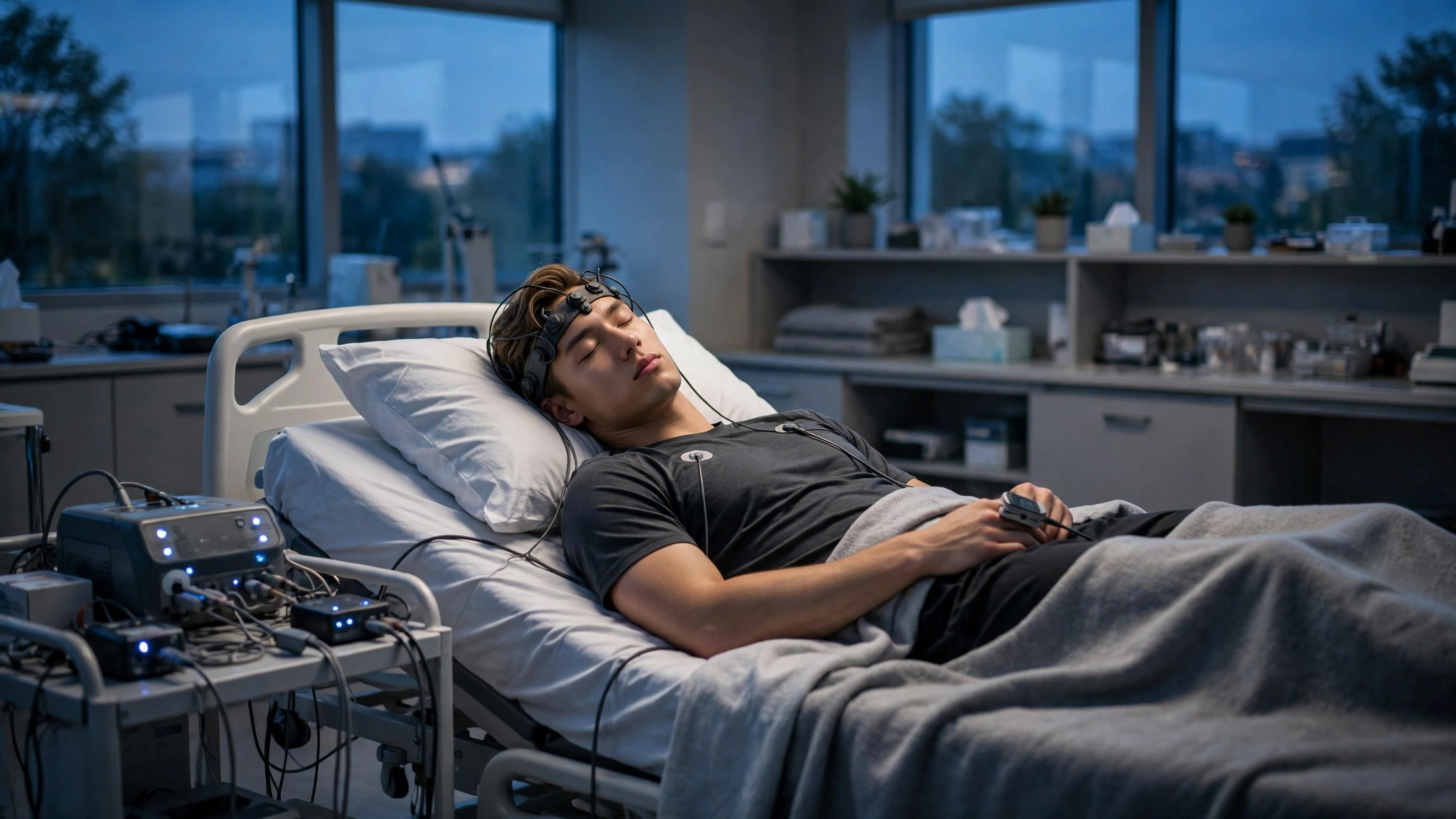
Stress Awareness Day research examines how nervous-system responses, cortisol rhythms, sleep, work conditions and social context influence measured outcomes. November 4, 2026 is an opportunity to distinguish established evidence from oversimplified stress claims.
Why November 4 matters for stress research
The first Wednesday in November is commonly observed as Stress Awareness Day, making November 4, 2026 a useful date to examine the science of stress. Stress is not a single disease or a laboratory value. It describes processes through which organisms respond to perceived demands, threats and changes in their environment. Some responses are adaptive and brief; others may persist and affect sleep, behavior and physiological regulation. Researchers therefore distinguish acute challenges, repeated exposures and chronic adversity. A good study specifies what the stressor was, how it was measured and which outcome was assessed. Without those details, broad statements about stress can sound more certain than the evidence warrants. The central scientific question is not whether all stress is harmful, but how exposure, interpretation, resources and biological responses interact over time.
The brain and body stress response
The nervous and endocrine systems coordinate responses to challenges. The sympathetic nervous system can change heart rate and other physiological functions rapidly. The hypothalamic-pituitary-adrenal axis involves signalling that influences cortisol release over a different time course. These systems are connected but are not interchangeable. A change in heart rate does not by itself prove a particular cortisol response, and a cortisol measurement does not summarize a person’s entire experience. Researchers should consider time of day, sampling conditions, medication use, physical activity and recent sleep. Stress physiology is dynamic, with feedback mechanisms that help regulate responses. A well-designed study measures the variables relevant to its hypothesis rather than using one biomarker as a universal stress score.
Acute stress and chronic exposure
A short-term challenge may temporarily increase alertness and mobilize physiological resources. Repeated or prolonged challenges can involve different adaptations and may coincide with changes in health and behavior. The distinction is more complicated than simply labeling one good and the other bad. Duration, predictability, control, social context and recovery opportunities influence responses. Laboratory stress tasks can produce measurable acute changes, but they do not recreate the full experience of financial insecurity, caregiving demands or unsafe working conditions. Longitudinal research can help examine prolonged exposures, although it remains vulnerable to confounding. The strongest summaries identify the exposure being studied and avoid transferring results from a brief experimental task directly to every form of chronic adversity.
What cortisol can and cannot show
Cortisol follows a daily rhythm and responds to many influences beyond psychological stress. Researchers may collect saliva, blood, urine or hair samples, but each method reflects different time windows and analytical challenges. A single measurement taken without context is difficult to interpret. Sleep timing, illness, exercise, medications and sampling adherence can alter results. Even when a group difference is statistically reliable, it may not diagnose an individual condition. Claims that a consumer product can reset cortisol or eliminate stress require direct evidence rather than a mechanistic slogan. Investigators should report collection timing, assay characteristics, variability and the clinical relevance of measured differences. Cortisol is an important research variable, not a complete summary of resilience or well-being.
Autonomic measures and heart-rate variability
Heart-rate variability, often abbreviated HRV, describes variation in the timing between heartbeats. It is influenced by autonomic regulation but also by breathing, posture, activity, age, measurement duration and device quality. Consumer wearables can produce convenient repeated measurements, yet algorithms and sampling methods differ. A higher or lower reading should not automatically be interpreted as a diagnosis or a direct measure of mental health. Research protocols need standardized conditions and clear descriptions of how the signal was processed. Comparisons across devices may be misleading when the underlying methods differ. HRV can contribute useful information in a defined study, especially when combined with other outcomes, but it should not be treated as a universal readiness or stress score.
Sleep and bidirectional relationships
Stress can interfere with sleep, and inadequate sleep can alter how people respond to challenges. This two-way relationship complicates causal interpretation. A study finding that distressed participants sleep poorly does not establish which process began first. Researchers may use sleep diaries, actigraphy or polysomnography depending on the question. Each method captures different aspects of sleep and has limitations. Work schedules, caregiving, pain, illness and environmental noise can influence both sleep and stress. Trials of sleep-focused interventions should assess outcomes over time and consider adherence and adverse effects. Claims that one sleep metric captures the entire stress burden are too simplistic. Better evidence recognizes feedback loops and examines whether changes persist beyond the immediate intervention period.
Stress and immune function
Psychological experiences can coincide with changes in immune signalling, but the relationship is complex. Laboratory studies may measure inflammatory markers, immune-cell activity or responses to experimental challenges. These measures are not equivalent to clinical outcomes such as infection rates or recovery from illness. Many biomarkers fluctuate with age, body composition, physical activity, illness and medication use. Observational associations may be affected by those same variables. Researchers should specify whether an immune outcome was primary or exploratory and avoid presenting a small change in a marker as proof of disease prevention. The immune system does not have a single dial that stress turns up or down. Responsible communication describes particular pathways and measured results without claiming universal immune suppression.
Cardiovascular interpretation
Stress-related physiological responses can affect heart rate and blood pressure over short periods. Long-term cardiovascular outcomes, however, depend on many factors including genetics, smoking, activity, metabolic health and healthcare access. Studies linking job strain or other psychosocial exposures with disease require careful control for confounding and selection bias. A transient blood-pressure increase during a challenge is not the same as a diagnosis of hypertension. Intervention trials should distinguish improved perceived stress from demonstrated reductions in clinical events. Absolute risks, follow-up duration and participant characteristics matter. A careful article can acknowledge meaningful associations without suggesting that every stressful day causes lasting cardiovascular injury.
Mental health and diagnostic boundaries
Everyday stress, distress and clinically diagnosed mental health conditions overlap but are not identical. A questionnaire score may reflect perceived demands or symptoms, depending on the instrument. Researchers must avoid using stress as a substitute diagnosis for anxiety, depression or trauma-related conditions. Screening instruments can be useful for research and identifying people who may benefit from further evaluation, but they do not replace a qualified clinical assessment. Study samples also differ in severity and access to support. An intervention that helps healthy volunteers with a temporary stress task may not be adequate treatment for a clinical disorder. Ethical communication respects these boundaries and avoids suggesting that individuals can resolve serious conditions through willpower alone.
Workplace demands and recovery
Occupational stress research examines workload, autonomy, scheduling, interpersonal conditions and organizational resources. Self-reported stress can provide valuable insight, but researchers should also consider objective conditions and changes over time. Studies may be confounded by job type, income, baseline health and worker selection. Organizational interventions can differ from individual coping programs: one changes working conditions, while the other focuses on personal skills or support. Evaluating both may be appropriate, but they should not be conflated. A relaxation exercise cannot compensate for every unsafe or unsustainable workplace condition. Meaningful research asks whether interventions improve well-being, absenteeism, safety or other relevant outcomes and whether benefits persist.
Caregiving and social context
Caregiving responsibilities can involve emotional demands, disrupted sleep, financial pressure and limited opportunities for recovery. Research should distinguish different caregiving situations rather than assuming that every caregiver experiences the same burden. Social support, access to services and cultural expectations may modify outcomes. Studies based on volunteers may overrepresent people with the time and resources to participate. Longitudinal designs can help identify changes in well-being, although major life events may complicate analysis. Support programs should be evaluated for outcomes that matter to participants, not only questionnaire scores. A compassionate scientific account recognizes that stress is partly shaped by circumstances and resources rather than treating it exclusively as an individual failure to cope.
Physical activity as a research intervention
Physical activity is often studied in relation to perceived stress, mood and sleep. Exercise also produces acute physiological demands, which makes timing important when interpreting biomarkers. A study measuring cortisol immediately after strenuous activity is answering a different question from one assessing long-term well-being. Trials vary in activity type, intensity, supervision and comparison groups. Participants may also differ in baseline fitness and preferences. Improvements in questionnaire scores do not necessarily prove changes in every physiological stress pathway. Researchers should report adherence, injuries, dropout and whether effects remain after the intervention. The evidence is best discussed in terms of specific outcomes and populations rather than claiming that one workout format universally eliminates stress.
Mindfulness and behavioral interventions
Mindfulness, breathing practices and cognitive-behavioral approaches are investigated for different stress-related outcomes. These interventions are not identical, and the quality of evidence varies by condition, delivery method and comparator. Trials comparing an active program with a waitlist may show effects that differ from trials using a credible active control. Participant expectations and instructor expertise can influence outcomes. Researchers should assess adverse experiences, accessibility and sustained adherence as well as average benefit. A practice that improves perceived stress in one group may not be suitable or sufficient for every person. Good summaries distinguish symptom management, prevention and treatment of diagnosed disorders, and they avoid promising a complete biological reset.
Nutrition claims and evidence quality
Stress-related nutrition claims often focus on individual nutrients, supplements or dietary patterns. Adequate nutrition supports general health, but that does not establish that a particular food treats chronic stress. Trials of supplements require attention to baseline nutrient status, dosing, safety, blinding and clinically relevant outcomes. Some compounds may interact with medications or produce adverse effects. Dietary observational studies can be confounded by income, sleep, physical activity and existing illness. A measured change in cortisol is not necessarily a meaningful improvement in functioning or quality of life. Readers should be cautious of marketing that uses phrases such as adrenal fatigue or cortisol detox without appropriate clinical validation. Evidence-based nutrition communication prioritizes adequacy and transparent uncertainty.
Digital devices and app-based stress scores
Smartphones and wearables can collect repeated data on sleep, movement and physiological signals. They may help researchers examine patterns outside a laboratory, but device readings are not automatically validated clinical measurements. Proprietary algorithms can change without transparent documentation. Missing data may be systematic if people stop wearing devices during difficult periods. Privacy and consent are essential when collecting location, activity or behavioral information. A stress score generated by an app should be evaluated against appropriate reference measures and outcomes before it is used for health decisions. More frequent measurement can be useful, but it can also increase worry or produce misleading certainty. Digital tools work best when their limits are clearly communicated.
How randomized trials can mislead
Randomization can reduce confounding, but a trial still depends on its design and execution. Small samples may produce unstable estimates. Short follow-up can miss whether improvements last. Participants who know their assigned intervention may report outcomes differently, especially when questionnaires are primary measures. Attrition matters if people with worse experiences are more likely to leave. Researchers should prespecify outcomes, report confidence intervals and account for missing data. A statistically significant result does not automatically imply a large or clinically important benefit. Comparing interventions across unrelated trials is also risky because populations and controls differ. Critical readers should look beyond the abstract headline to methods, adverse events and limitations.
Understanding observational associations
Many influential studies of stress use surveys and cohorts. They can identify patterns across large populations but cannot automatically prove that stress caused a later health outcome. Reverse causation is possible when an emerging illness increases perceived stress. Unmeasured factors such as financial instability or environmental conditions may influence both exposure and outcome. Statistical adjustments help but cannot guarantee that every relevant difference has been removed. Repeated measurements and careful timing improve interpretation. Absolute differences are often more informative than dramatic relative percentages. When discussing associations, authors should use language such as linked with or associated with unless the evidence supports a stronger causal conclusion.
Equity and access to support
Stress exposure and access to support are not evenly distributed. Housing, employment security, discrimination, caregiving demands and access to healthcare can shape experiences. A study conducted among university students may not generalize to shift workers, older adults or people in remote communities. Interventions that require paid subscriptions, flexible schedules or private space may be less accessible to those with the greatest burdens. Research should report participant demographics and consider who was excluded. Community involvement can improve the relevance of study questions and outcomes. Ethical analysis recognizes structural contributors rather than placing all responsibility on personal habits. Effective prevention may require changes in systems as well as individual-level support.
Canadian research and seasonal context
Canadian studies may need to account for seasonal daylight, weather, regional differences and varying access to services. Winter conditions can influence activity, travel and sleep schedules, while shift work and urban noise may affect people throughout the year. These factors are potential confounders, not proof that one season causes a particular stress response. Health services and workplace regulations also vary across provinces and territories. Researchers should specify geography and sampling period before generalizing nationally. For interventions or devices, Canadian authorization and professional standards should be checked when relevant. A credible review avoids importing assumptions from a different jurisdiction without examining whether the population and care setting are comparable.
A practical checklist for evaluating stress science
Start by asking how stress was defined. Was the exposure an acute laboratory challenge, a validated questionnaire, a work condition or a long-term life event? Identify the population, sample size and comparison group. Check when biological measurements were collected and whether sleep, exercise and medication use were considered. Determine whether the outcome was a biomarker, self-reported symptom, functional measure or clinical event. Look for preregistration, uncertainty intervals, missing data and follow-up duration. Assess whether the intervention had a credible control and whether adverse effects were reported. Finally, separate evidence of association from evidence of causation. These questions make a stress headline easier to interpret without assuming that every measurable change represents a meaningful health benefit.
Conclusion
Stress Awareness Day is most useful when it encourages careful thinking about both physiology and lived experience. The nervous system, endocrine signalling, sleep, work conditions, social resources and behavior can interact, but no single measurement captures them all. Acute responses should not be confused with chronic adversity, and changes in biomarkers should not be mistaken for proven clinical outcomes. Research can inform supportive practices and better systems when it uses transparent methods and realistic comparisons. The strongest scientific communication acknowledges uncertainty, respects individual circumstances and avoids miracle claims about eliminating stress. A measured, evidence-first approach serves readers better than alarmist headlines or promises of a universal cure.
Frequently asked questions
When is Stress Awareness Day in 2026?
The first Wednesday of November falls on November 4, 2026.
Does a high cortisol reading prove chronic stress?
No. Cortisol varies with time of day, sleep, activity, illness and sampling conditions.
Can heart-rate variability diagnose stress?
No. HRV is influenced by multiple factors and is not a standalone diagnosis.
Do stress interventions always improve clinical health outcomes?
No. Effects depend on the intervention, study population, outcome and quality of evidence.
What makes stress research trustworthy?
Clear definitions, validated measurements, appropriate comparisons, transparent limitations and sufficient follow-up.
For laboratory research use only. Not for human consumption.